Spring Water Vs Purified Water
I often say that health comes down to the basics: Sleep, whole foods, and clean water. Water is one of the most essential elements in nature. Every cell in our body depends on it, and having access to clean, safe drinking water is something we often take for granted. But it’s one of the top areas you can address in your home that will have a real impact on your family’s health.
From tap water to bottled water, and from spring water to purified water, there are many different options available, and each one comes with its own set of benefits and considerations. Because of this, it can feel confusing trying to figure out which type is best for your home and your family.
In today’s post, I’m breaking down Spring Water Vs Purified Water so you can better understand the differences and make a more informed choice.
Spring Water Vs Purified Water
If you’ve ever stood in the water aisle comparing labels, you’re not alone. The terms “spring water” and “purified water” are often used on bottled water, but they don’t mean the same thing.
In this post, I’m sharing an easy-to-understand breakdown of both types of water. We’ll cover where each comes from, how it’s processed, what it contains, and whether it’s safe to drink. By the end, hopefully you’ll have a clear understanding of which option may be the best fit for your lifestyle!
What Is The Difference Between Spring Water And Purified Water?
The main difference between spring water and purified water comes down to their source and how they are treated.
Spring water comes from natural underground sources and flows to the surface naturally, often retaining minerals like calcium and magnesium.
Purified water, on the other hand, typically starts as tap water or surface water and goes through a filtration process or purification process, such as reverse osmosis, to remove impurities, contaminants, and dissolved solids.
What Is Spring Water?
Spring water is water that is collected from natural underground sources where it flows to the surface of the earth. It must be sourced directly from a spring or through a borehole tapping into the underground formation that feeds the spring.
Unlike purified water, spring water is not heavily altered. It may undergo basic filtration to remove debris, but it generally retains its natural mineral content, including minerals like calcium, magnesium, and potassium.
Because of its natural origin, many people are drawn to spring water as a more “natural” form of drinking water.
Where Does Spring Water Come From?
Spring water comes from underground sources known as aquifers. These are layers of rock or sediment that hold water beneath the earth’s surface.
As rainwater and melted snow seep into the ground, they are naturally filtered through layers of soil and rock. Over time, this water collects in aquifers and can eventually flow to the surface as a spring.
Some spring water is also accessed by drilling into these underground sources to bring the water up without disrupting its natural flow.
What Is In Spring Water?
Spring water naturally contains a variety of elements, including:
- Minerals like calcium and magnesium
- Potassium and sodium
- Trace minerals from surrounding rock formations
- Naturally occurring electrolytes
- Minimal levels of naturally occurring microorganisms
- Dissolved solids from underground sources
The exact composition can vary depending on the location of the spring and the geology of the area.
What Is Spring Water Used For?
Spring water is commonly used for:
- Drinking water (both bottled water and home use)
- Cooking and food preparation
- Beverage production
- Wellness and hydration routines
- Natural and holistic lifestyles
Because it contains natural minerals, some people prefer it for taste and health benefits.
Is It Safe To Drink Spring Water?
Yes, spring water is generally safe to drink, as long as it meets safety standards set by regulatory agencies.
However, not all spring water is created equal. Because it comes from natural sources, it may be exposed to environmental contaminants if not properly tested and handled. Reputable bottled water brands must follow strict guidelines, but untreated spring water from unknown sources may not always be safe.
If you’re sourcing spring water yourself, testing is essential to ensure it’s free from harmful bacteria or pollutants.
What Is Purified Water
Purified water is water that has been processed to remove contaminants, chemicals, and impurities. It often starts as tap water or surface water and is then treated using a purification method to make it safe for drinking.
This type of water is defined by its treatment process rather than its source. The goal is to produce clean, consistent drinking water with very low levels of total dissolved solids.
How Is Purified Water Made?
Purified water is made using a variety of filtration and purification processes, including:
- Reverse osmosis
- Distillation
- Deionization
- Carbon filtration
Among these, reverse osmosis is one of the most common methods. It works by pushing water through a semi-permeable membrane that removes contaminants like heavy metals, chemicals, and microorganisms.
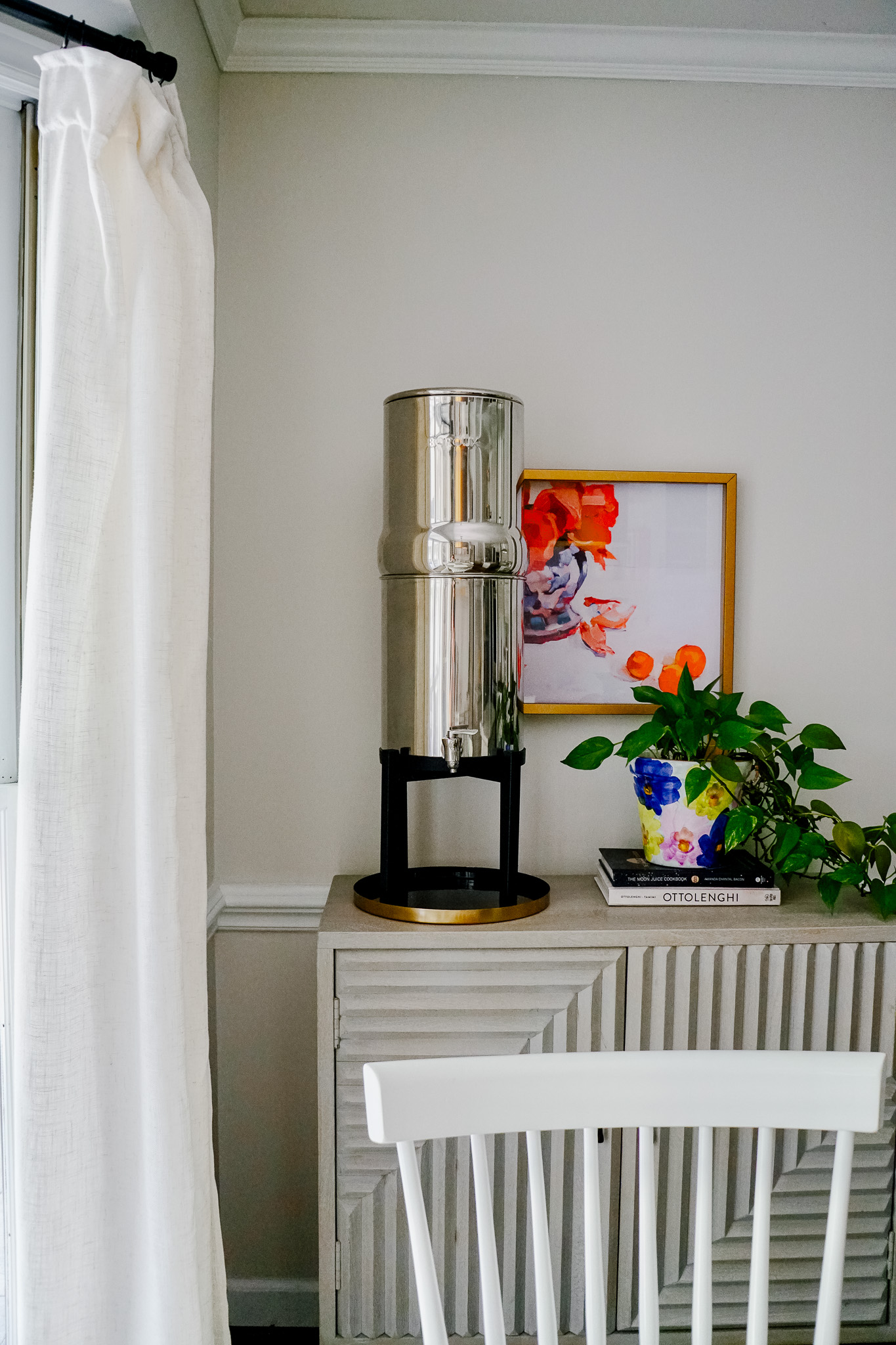
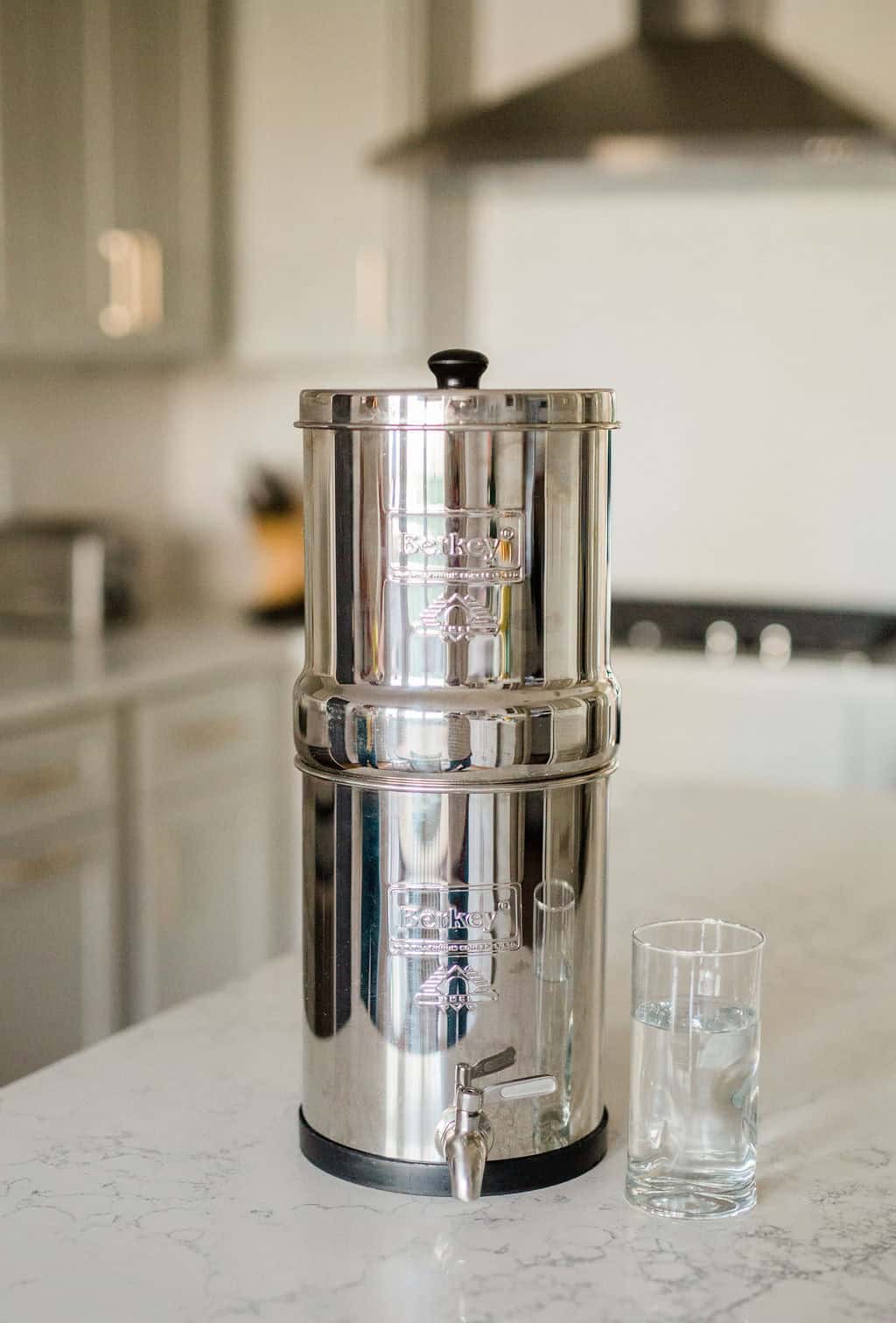
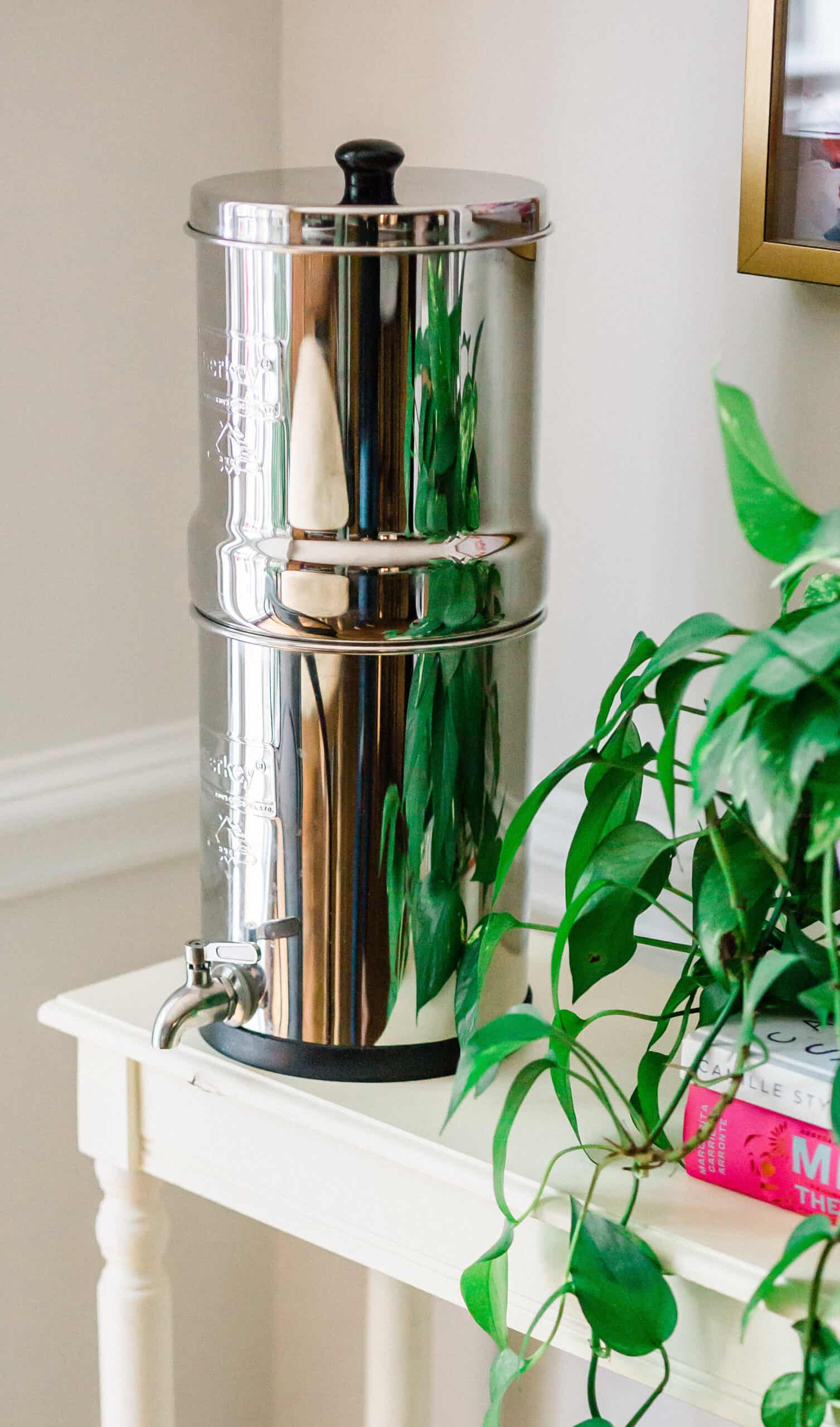
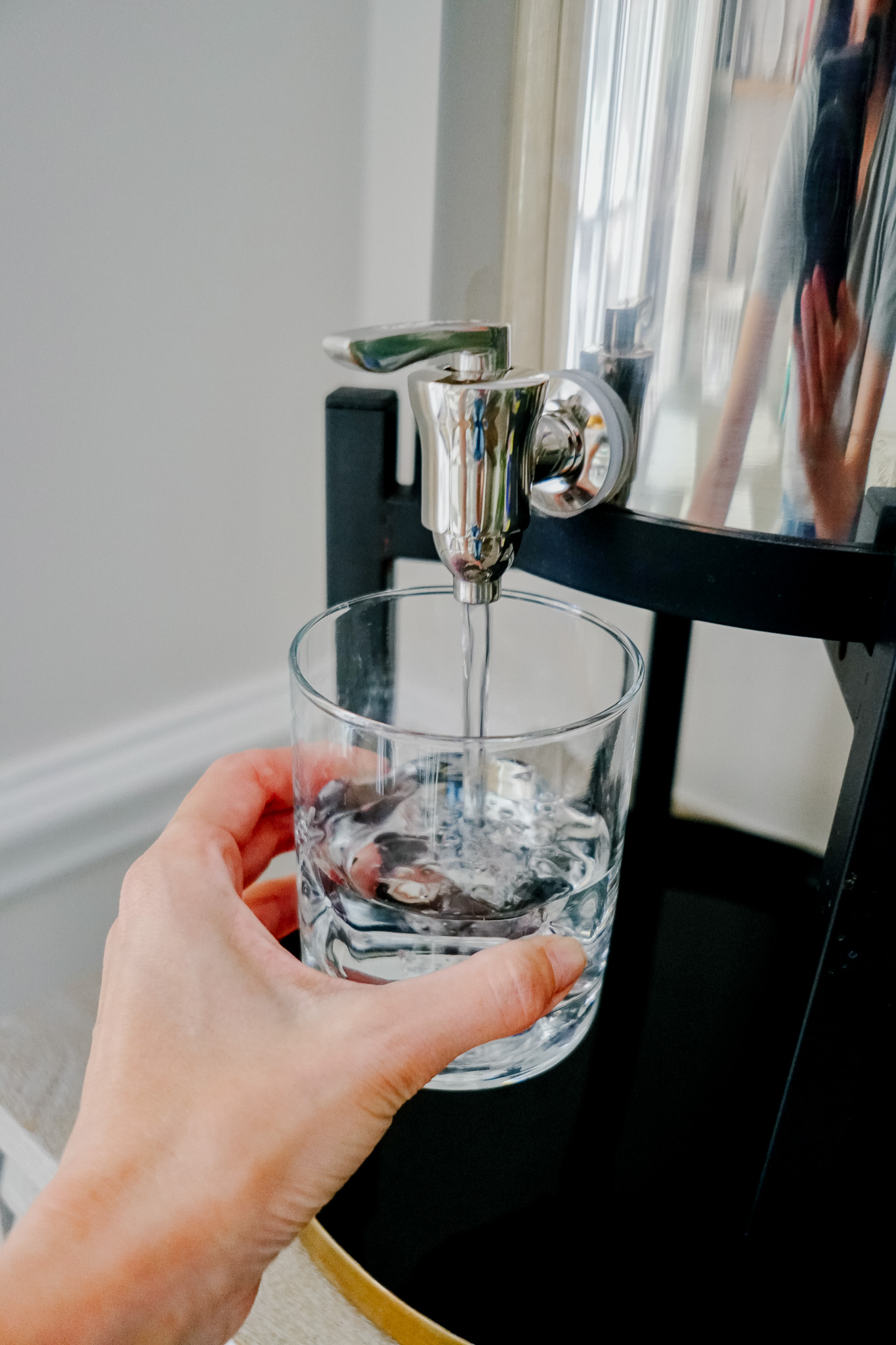
Many home filtration systems also use similar technologies. If you’re interested in exploring options, you can check out this detailed Boroux water filter review or my berkey water filter review to learn more about effective filtration systems. Berkey has gone through some challenges but there is still a lot of great info on how the filtration systems work in that post. We currently use (and LOVE) our Boroux.
What Is In Purified Water?
Purified water typically contains:
- Very low levels of dissolved solids
- Minimal to no minerals
- No harmful bacteria or viruses (when properly treated)
- Reduced or eliminated chemicals like chlorine
Because of the purification process, purified water is often considered one of the cleanest forms of drinking water available.
What Is Purified Water Used For?
Purified water is commonly used for:
- Drinking water
- Baby formula preparation
- Medical and laboratory use
- Cooking
- Coffee and tea brewing
- Appliances like humidifiers and CPAP machines
Its consistency and cleanliness make it a reliable option for a wide range of uses.
Is Purified Water Safe To Drink?
Yes, purified water is safe to drink and is often considered one of the safest options available.
Because it goes through a rigorous filtration process or purification process, it removes many contaminants that may be present in tap water or surface water. However, one thing to note is that purified water lacks natural minerals, which some people prefer to get from their water.
That said, most of your essential minerals come from food, not water, so this is usually not a major concern.
Is Spring Water Better Than Purified Water?
When it comes to spring water vs purified water, there isn’t a one-size-fits-all answer. It really depends on your preferences and priorities.
Spring water may be a better choice for those who:
- Prefer a natural source of water
- Enjoy the taste of minerals like calcium
- Want water with naturally occurring electrolytes
- Follow a more holistic or natural lifestyle
Purified water may be a better option for those who:
- Want the cleanest possible water
- Are concerned about contaminants in tap water
- Prefer a consistent and controlled purification method
- Use water for sensitive applications like baby formula or medical devices
Experts generally agree that both types can be safe and healthy choices when properly sourced and processed. The most important factor is ensuring your drinking water is free from harmful contaminants.
If your local tap water quality is questionable, investing in a high-quality filtration system can be a great middle-ground solution- giving you the benefits of purification while maintaining convenience at home.
At the end of the day, both spring water and purified water can play a role in a healthy lifestyle. Understanding how each one is sourced and processed can help you make the best choice for your home and your family.
*Some affiliate links used. All thoughts and opinions are my own