Are Hex-Clad Pans Non-Toxic?
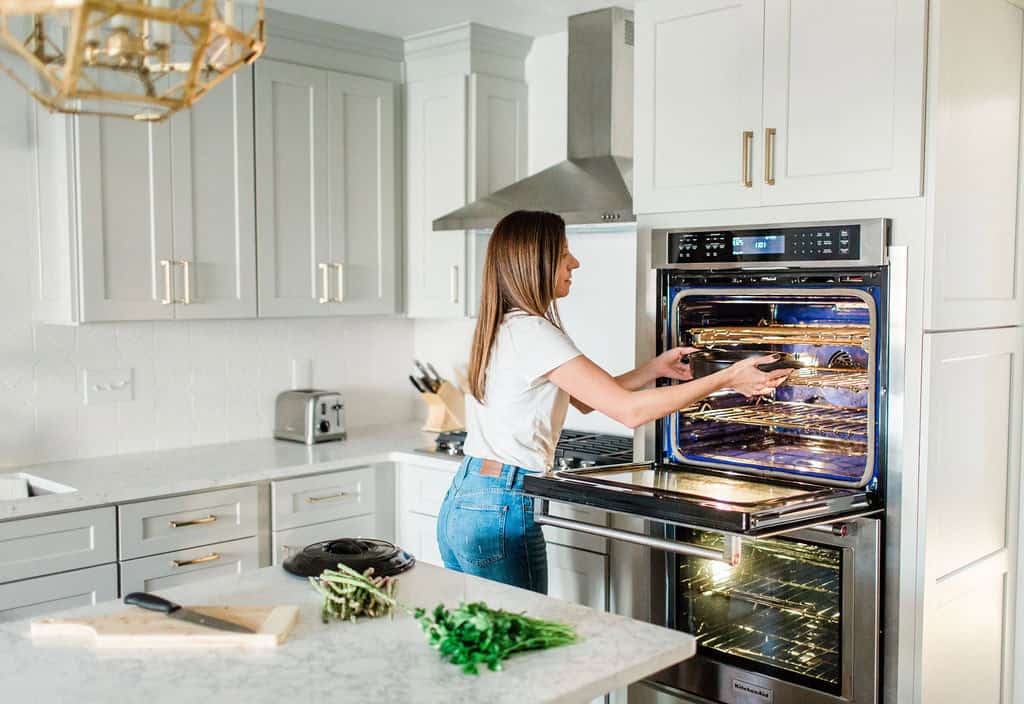
Choosing the right cookware is an important part of creating a healthy, non-toxic kitchen. While we often focus on organic food and clean water, it’s easy to overlook the pots and pans we cook with daily. But the truth is, cookware can leach unwanted materials, like heavy metals, toxic fumes, and even endocrine-disrupting chemicals, into your food, especially when used at high heat.
There are several types of cookware on the market today: cast iron, stainless steel, ceramic coated, non-stick, and more, and not all are created equal. Some contain materials that can release toxic fumes or degrade over time, especially those with non-stick coatings.
In this post, I’m taking a closer look at HexClad cookware, which has become increasingly popular due to its hybrid technology and celebrity endorsements. But are Hex-Clad pans non-toxic as they claim? Let’s dig into what they’re made of and whether or not they deserve a place in your non-toxic kitchen.
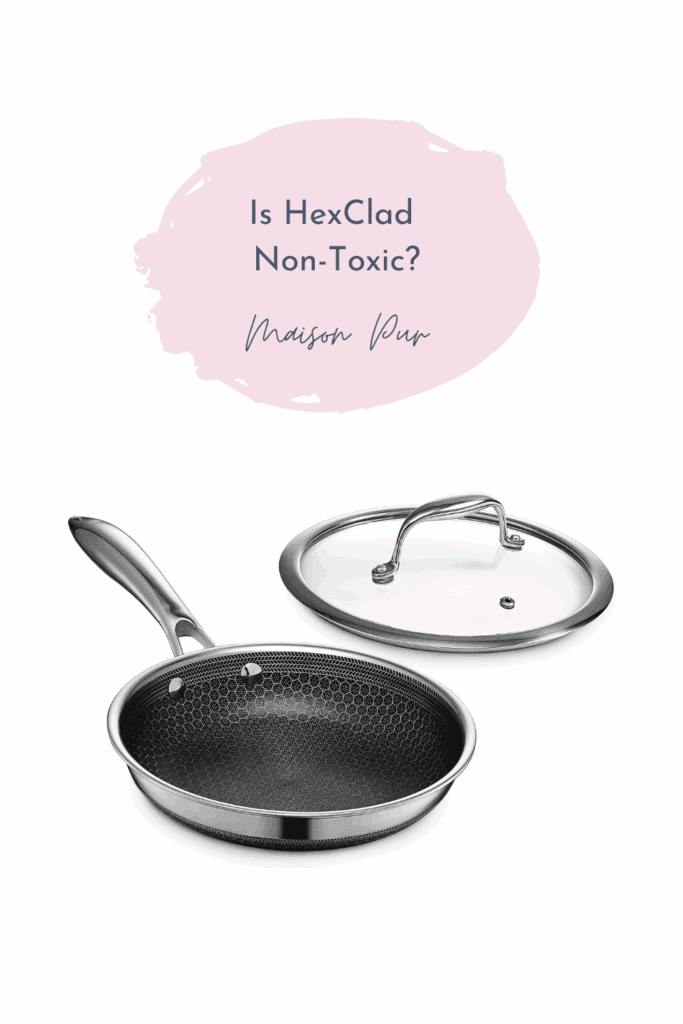
Are Hex-Clad Pans Non-Toxic?
HexClad cookware markets itself as the best of both worlds: the durability of stainless steel combined with the convenience of non-stick. But when it comes to toxic cookware concerns, it’s important to break down exactly what that means.
Understanding what HexClad pans are and what they’re made of can help you decide if they’re a smart, safe investment. Keep in mind that marketing versus reality can be two different things. Given that it incorporates a non-stick coating, I think taking a thorough look is the best bet.
What Are Hex Clad Pans?
HexClad pans are hybrid frying pans that combine a stainless steel exterior with a non-stick coating applied in a laser-etched hexagonal pattern. According to HexClad, this design is intended to give you the high-heat searing capabilities of stainless steel with the easy cleanup and food release of non-stick.
What makes HexClad unique is this patented hexagonal surface, which provides a mix of stainless steel “peaks” and non-stick “valleys.” According to the company, this allows you to fry eggs, cook delicate foods, and even use metal utensils without scratching the surface.
The pans are also advertised as:
- Oven safe up to 500°F
- Dishwasher safe
- Induction compatible
- Covered by a lifetime warranty
This combination of features has made HexClad a standout among hybrid cookware, but it also raises some questions about what’s under the surface.
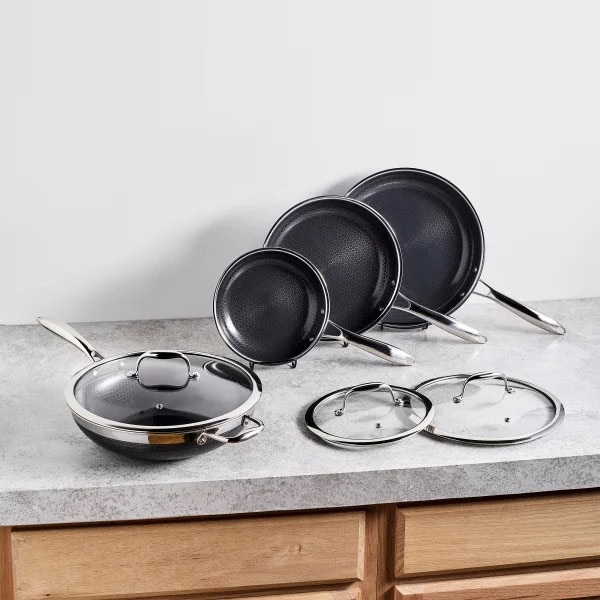
What Are Hex Clad Pans Made Of?
Here’s a breakdown of the materials used in HexClad cookware:
- Stainless steel exterior – for durability and induction compatibility
- Aluminum core – sandwiched between stainless steel layers for fast, even heating
- Proprietary ceramic non-stick coating – infused with diamond dust for added strength
- Stick coating – Proprietary (AKA-undisclosed) hybrid surface technology
While the company has claimed the pans are free from forever chemicals, some experts remain cautious about newer or proprietary non-stick coatings. It’s not always clear what materials are used in “proprietary” blends, which makes transparency a challenge. In fact, they were recently sued after being accused of misleading shoppers with its “non-toxic” and “PFAS-free” marketing for years. It’s reported that many of its pans were coated in PTFE (a type of PFAS).
Are Hex Clad Pans Safe?
So, are Hex Clad pans safe to cook with?
HexClad states that its pans are PFOA-free and do not release toxic fumes, even at high heat. However, like many hybrid non-stick surfaces, the pans still contain a PTFE-based coating (commonly known as Teflon), which may degrade at very high temperatures (above 500°F).
According to America’s Test Kitchen, HexClad pans perform well in tests and hold up to repeated use without major degradation, especially when used on medium heat as recommended.
While I avoid cooking with PTFE in my own kitchen, if you have cookware with PTFE it’s important to avoid:
- Cooking on high heat
- Overheating an empty pan
- Scratching the coating with sharp utensils
I’ve told this story before, but years ago, my friend Caroline got a set of non-stick pans (not HexClad brand). One morning, they were heating up an empty pan to make eggs, and suddenly her pet bird dropped dead. While we may not realize that toxic fumes are being released, birds are super sensitive (hence why they used canaries in coal mines prior to air testing devices).
If you’re looking for cookware that’s completely free from synthetic coatings, I recommend checking out my Xtrema cookware review for a truly non-toxic cookware option.
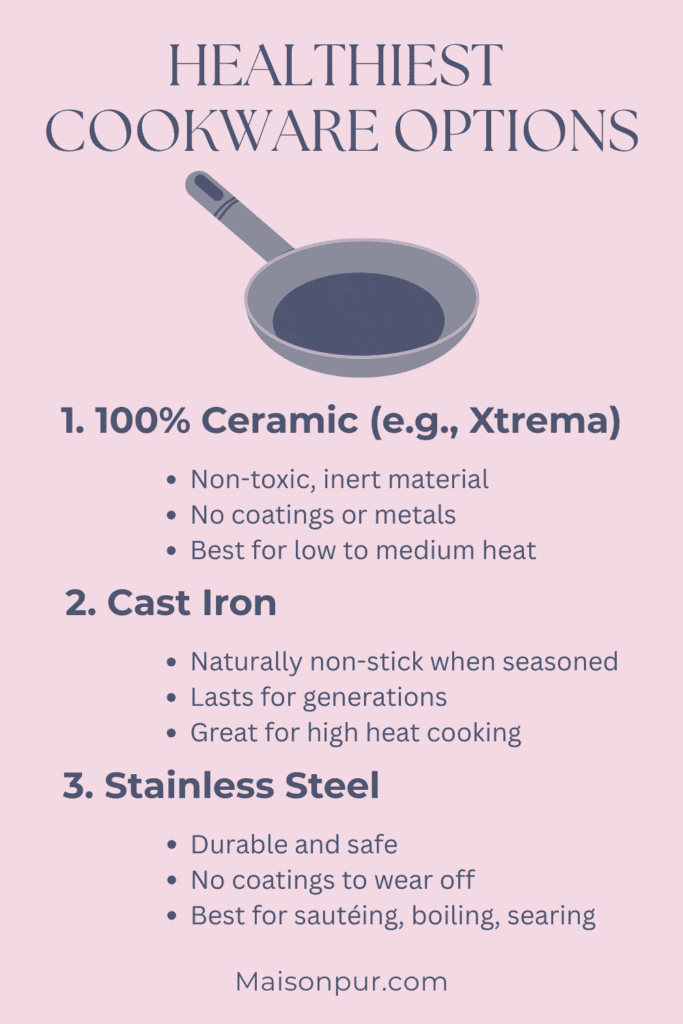
Safer Swaps for HexClad
If you’re drawn to HexClad but are still concerned about the non-stick coating and potential exposure to forever chemicals, there are several safer cookware options worth exploring. These alternatives avoid synthetic coatings altogether and are considered some of the most non-toxic cookware options available today.
1. 100% Ceramic Cookware (Like Xtrema)
- What it is: Solid ceramic cookware made without metal or synthetic coatings
- Why it’s safer: Free from PTFE, PFOA, and other chemical coatings
- Best for: Slow cooking, simmering, and non-toxic reheating
- Recommended brand: Xtrema (Read my full Xtrema Cookware Review here)
2. Cast Iron (Uncoated)
- What it is: Heavy-duty iron pans that develop a natural non-stick surface over time
- Why it’s safer: No synthetic coating, lasts a lifetime (or more)
- Best for: Searing, baking, frying- especially over high heat
- Tip: Season regularly to keep it non-stick and rust-free
3. Stainless Steel Cookware
- What it is: Durable metal cookware with no coating or chemical treatments
- Why it’s safer: No non-stick surface to degrade, non-reactive when high-quality
- Best for: Searing, sautéing, and boiling
- Tip: Use proper technique (like pre-heating and oiling) to fry eggs and prevent sticking
- More Info: See my blog post on Stainless Steel Cookware here.
Here’s a quick breakdown:
| Feature | Xtrema (100% Ceramic) | Cast Iron | Stainless Steel |
|---|---|---|---|
| Material | Solid ceramic | Raw cast iron | Stainless steel with optional aluminum core |
| Non-Toxic Coating | No coating – naturally non-toxic | No coating – requires seasoning | No coating |
| Free from Forever Chemicals | ✅ Yes | ✅ Yes | ✅ Yes |
| High Heat Safe | ✅ Yes (low and slow preferred) | ✅ Yes (ideal for high heat cooking) | ✅ Yes |
| Non-Stick Ability | ⚠️ Somewhat non-stick with proper use | ✅ Develops natural non-stick over time | ⚠️ Stick-prone without proper technique |
| Best Uses | Reheating, stews, soups, simmering | Searing, frying, baking | Sautéing, searing, boiling |
| Oven Safe | ✅ Yes (check model for temp limit) | ✅ Yes | ✅ Yes |
| Dishwasher Safe | ⚠️ Hand washing recommended to avoid thermal shock | ❌ Not recommended – hand wash only | ✅ Yes (though hand washing can extend life) |
| Learning Curve | Medium – avoid thermal shock and sudden temp changes | Medium – requires seasoning and care | Low – straightforward use |
| Durability | High (with care) | Extremely durable – lasts generations | Very durable |
| Recommended Brand | Xtrema | Lodge, Finex | Made In, All-Clad |
If you’re still set on getting a HexClad pan, it’s important to use it properly to keep the non-stick coating from degrading, causing it to leach into food or create more fumes.
How To Season Hex Clad Pans
While HexClad pans are technically non-stick, the company recommends seasoning them before first use for optimal performance. Here’s how:
1. Wash and Dry Thoroughly
Clean the pan with soap and warm water to remove any factory residue, then dry it completely.
2. Heat Gently on Medium
Place the pan on the stove over medium heat for 1-2 minutes.
3. Add a Light Oil
Pour in about a teaspoon of high smoke-point oil (like avocado or grapeseed) and swirl to coat the surface evenly.
4. Let It Cool
Turn off the heat and allow the pan to cool before wiping out excess oil.
Seasoning helps create a smoother surface over time and can extend the life of the non-stick coating, even though it’s not as porous as cast iron.
Where To Buy Hexclad Cookware
Here are some of the best places to buy it:
- HexClad.com – sometimes offers exclusive HexClad offer bundles
- Amazon – convenient for fast shipping and reviews
- Costco – may offer sets at a discounted bulk price
Final Thoughts: Why I’m Not Choosing HexClad
While HexClad cookware has gained popularity for its sleek design and hybrid performance, the lack of full transparency around its proprietary ceramic non-stick coating gives me pause. The presence of a PTFE-based coating, even if it’s PFOA-free, raises questions for those of us looking to avoid toxic fumes and forever chemicals in the kitchen.
Given past issues with non-stick technologies and the health risks they may pose, HexClad isn’t a cookware choice I personally feel comfortable using in my home. There are safer, fully non-toxic options out there that offer peace of mind without the uncertainty, options that are better for your health, your pets, and the environment.
If you’re committed to building a truly low-tox kitchen, I’d recommend looking into alternatives like Xtrema, cast iron, or stainless steel, all of which deliver solid performance without compromising on safety.