
Are Soy Candles Toxic?
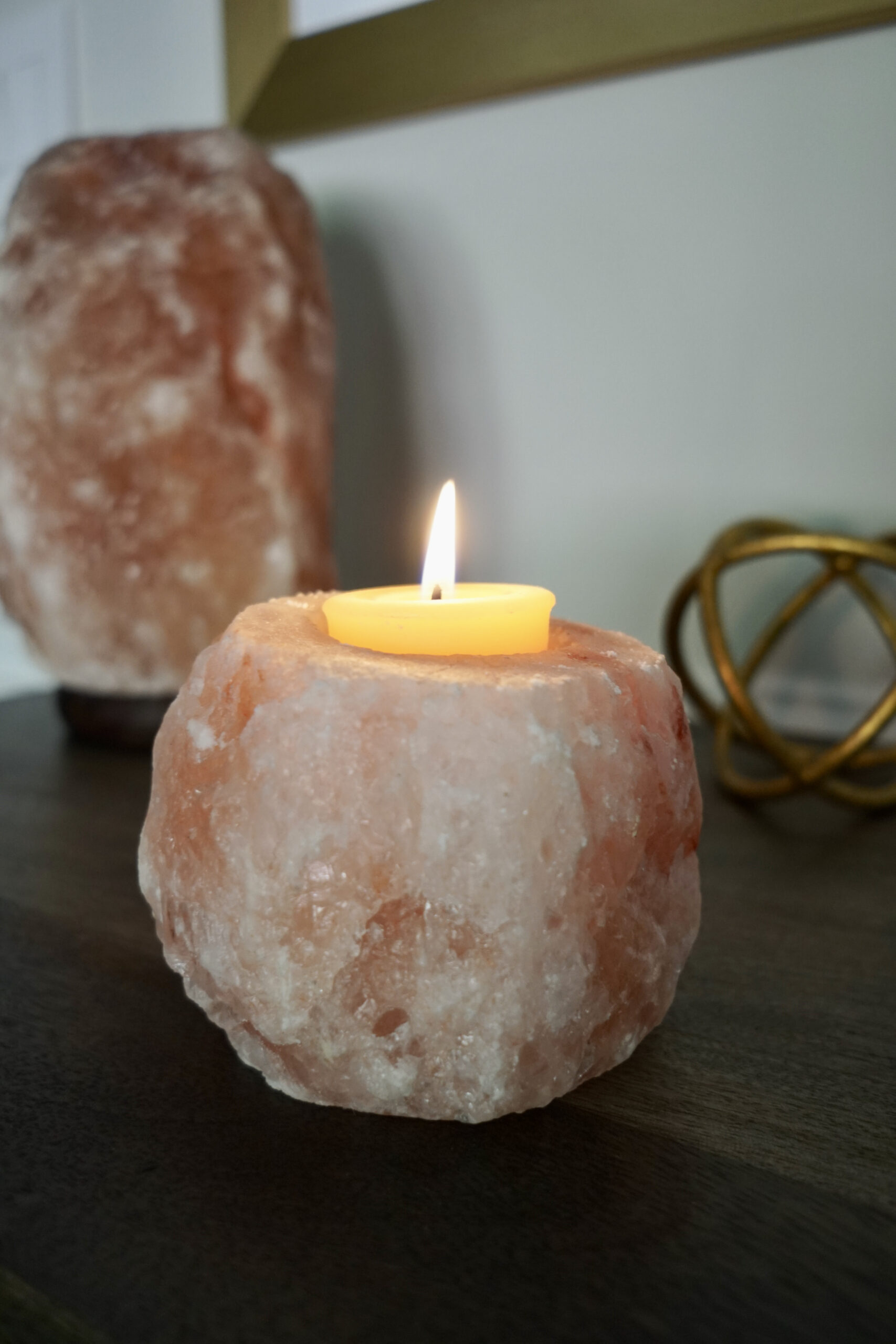
There’s something undeniably cozy about lighting a candle. Whether it’s for setting the mood during a dinner party, winding down with a book in the tub, or just making your home smell nice, candles are a simple luxury many of us love. I love a cozy candle- even in the summer, we burn them on the patio (both for bugs and ambiance!). They double as decor, can be used in aromatherapy, and instantly shift the feel of a room. They can also be part of more special events like holiday gatherings, or ceremonies like weddings or candlelit evening services (my favorite for Christmas Eve services!).
Lately, soy candles have been marketed as a more natural option compared to traditional paraffin wax candles. You’ve probably seen them labeled as “clean-burning,” “eco friendly,” or even “plant based.” But every time I post about candles, I get the question: Are soy candles toxic? Despite their growing popularity, there’s still a lot of confusion and debate surrounding their safety.
So in this post, we’re diving deep into whether or not soy candles are toxic, how they compare to other options, and what the safest candles really are. I’ll also walk you through what soy candles are, how they’re made, and why that matters when choosing what you burn in your home.
Are Soy Candles Toxic?
Let’s get right to it: the short answer is that soy candles are generally considered safer than paraffin wax candles, but they’re not all created equal, and there are still a few things to watch for.
Soy wax is a plant based wax derived from soybeans, making it a renewable resource and often marketed as a more eco friendly and cost effective alternative to traditional paraffin wax candles. But just because something is labeled as “soy” doesn’t automatically mean it’s non-toxic.
Some soy candles are blended with paraffin or contain harmful chemicals in their fragrance or wick materials. That’s why knowing how soy candles are made, and what ingredients are involved, can help you make a more informed, healthier choice.
What Is a Soy Wax Candle?
A soy wax candle is made from 100% natural soy wax or a soy wax blend. The wax comes from hydrogenated soybean oil, which has a relatively low melting point compared to other waxes. That means soy candles tend to burn slower, giving them a longer burning time and often a more cleaner burn compared to paraffin. Since soy wax is plant based and typically burns at a lower temperature, it can support better air quality indoors.
They’re praised for being plant based, renewable, and biodegradable. Many people choose soy candles because they produce less soot and have a more subtle scent throw, perfect for those sensitive to strong fragrances.
What Are Soy Candles Made Of?
Here’s a quick breakdown of what’s typically found in soy candles:
- Soy wax (ideally 100% natural and not blended with paraffin)
- Cotton or wood wicks
- Essential oils or fragrance oils, (more on fragrance below)
- Colorants or dyes (optional and varies by brand)
- Glass or metal containers usually
Always check the label to see if the candle is truly made from 100% soy wax and doesn’t include a paraffin wax candle blend or based waxes that may release toxins when burned.

How Are Soy Candles Made?
Soy candles are made through a relatively simple process, but quality matters.
- Soybeans are harvested and pressed to extract the oil.
- The soybean oil is hydrogenated, which turns it into a solid at room temperature: this is your soy wax.
- The wax is then melted and combined with fragrance oils (either natural or synthetic).
- The mixture is poured into containers along with a wick and left to cool and solidify.
The sourcing and processing of the soybeans, the type of fragrance, and the wick material all affect how clean or safe the finished candle will be when you burn soy wax at home.
Are Soy Candles Safe?
Most experts agree that soy candles are a safer choice compared to paraffin. Paraffin is a byproduct of petroleum and has been shown to release toxins like benzene and toluene when burned. In contrast, burned soy wax candles tend to release fewer pollutants and produce significantly less soot.
One of the most common questions I get is about GMO soy wax. I’m certainly not a proponent of GMOs for many reasons, but I haven’t read any evidence that shows burning GMO soy wax is any different from organic or non-GMO soy wax.
But again, “soy” isn’t a safety guarantee. Blended waxes, synthetic fragrances, and metal-core wicks can still pollute your indoor air, even if the candle is labeled as soy.
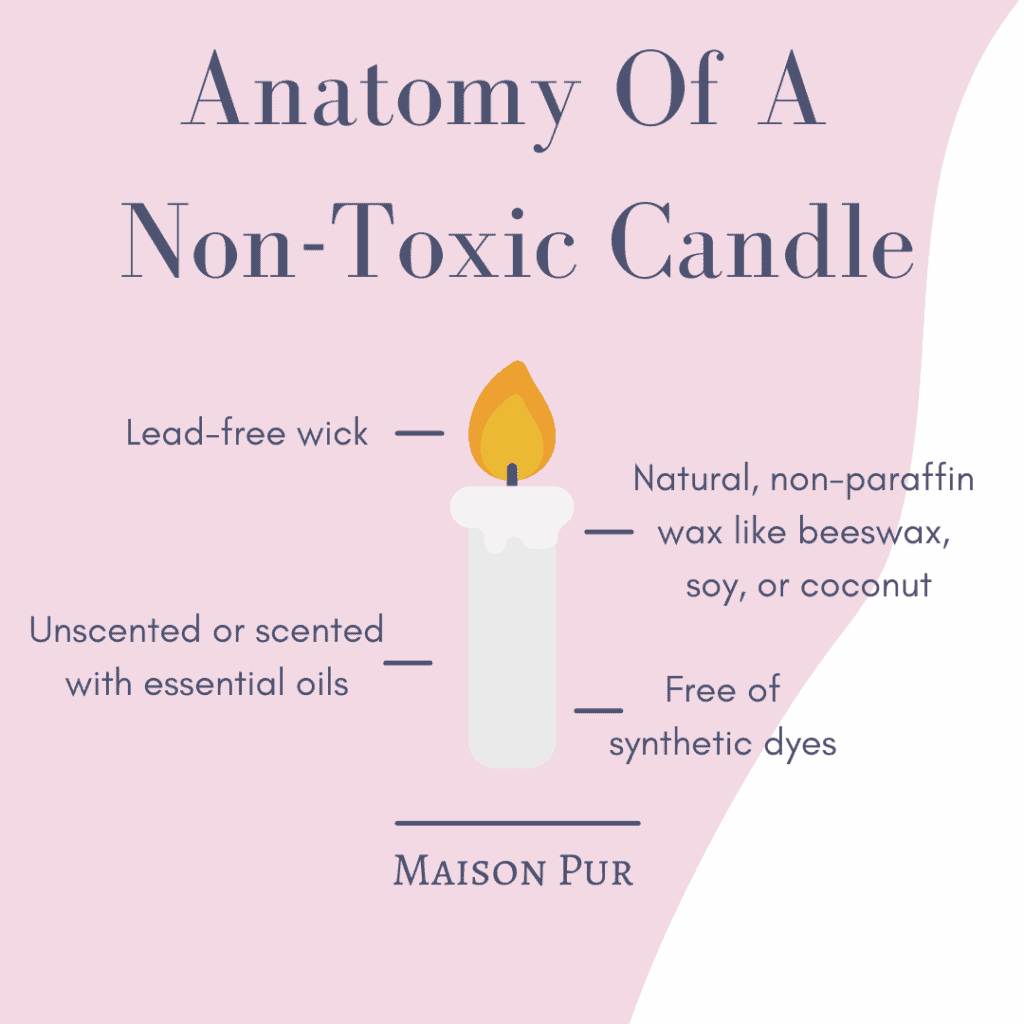
If you’re looking for the cleanest experience, choose soy candles that are:
- Made from 100% natural soy wax (no blends)
- Fragranced with essential oils
- Have cotton or wood wicks (no metal or zinc)
- Packaged in safe, reusable containers
If you want more information on what to look for when shopping for candles, check out my guide to safe non toxic candles.
A note on fragrance: Fragrance oils are not the same thing as essential oils, and I typically avoid them.
Are Soy Candles With Essential Oils Safe?
Soy candles made with essential oils are often marketed as a cleaner, more natural option, but are they actually safe?
In general, soy candles with essential oils are a better choice than those made with synthetic fragrance oils, especially when you’re trying to reduce exposure to harmful toxins.
However, it’s important to understand that burning candles of any kind can still produce some level of emissions. Even natural essential oils can release compounds into the air when heated. That said, these are typically far less concerning than what’s released from burning paraffin or heavily fragranced paraffin candles, which are derived from fossil fuels and known to emit more harmful chemicals.
Another factor to consider is the candle wick. Even if a candle uses essential oils, a poor-quality wick (like one with a metal core) can still negatively impact air quality when burned. If you’re sensitive to scents or concerned about indoor air, you may still want to limit how often you burn candles or opt for fragrance-free versions
Is Candle Wax Biodegradable?
Not all candle wax is created equal when it comes to biodegradability. Soy wax is biodegradable because it is derived from soybeans, making it a renewable resource and a more environmentally friendly option. This means that if soy wax ends up in the environment, it will break down more naturally over time compared to synthetic alternatives.
On the other hand, paraffin candles are made from petroleum, a byproduct of fossil fuels, which means they are not biodegradable.
Other natural waxes, like beeswax and coconut wax, are also biodegradable and tend to be better choices for both your health and the environment. It’s also important to consider the full candle, especially the candle wick, container, and any added dyes or fragrances. Some elements may not be biodegradable.
What Are The Safest Candles To Burn?
Looking for the best alternative to traditional paraffin wax candles? Here are some of the cleanest, eco friendly candle types available:
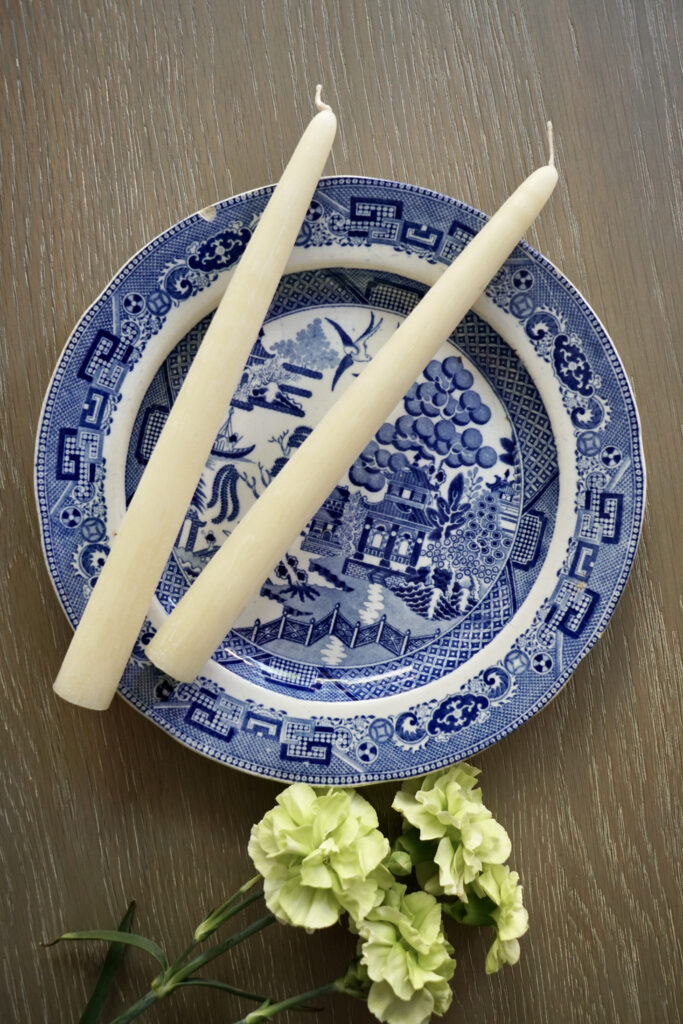
Beeswax Candles (my top pick!)
- Made from: Filtered beeswax, a renewable resource created by honeybees
- Why it’s safe: Naturally purifies the air by releasing negative ions, has a longer burning time, and burns with very little smoke
- Bonus: Naturally scented with a light honey aroma
- Shop My Favorite Beeswax Candle
Coconut Wax Candles
- Made from: Cold-pressed coconut meat
- Why it’s safe: Burns extremely clean, holds scent well, and is plant based and eco friendly
- Bonus: Often blended with soy or beeswax for stability
- Try This Coconut Wax Favorite
100% Natural Soy Wax Candles
- Made from: Derived from soybeans, free from additives
- Why it’s safe: Cleaner burn, less soot, and a great cost effective option
- Bonus: Ideal for slow, even burning
- Check Out This Clean Soy Candle (unscented version only)
Is Soy Wax Or Beeswax Better For Candles
Both soy wax and beeswax are popular alternatives to traditional paraffin wax candles, but they each have their own pros and cons depending on your priorities.
Soy Wax Pros:
- Plant based and derived from soybeans
- More cost effective than beeswax
- Provides a longer burning time due to its lower melting point
- Widely available in a variety of scents
Soy Wax Cons:
- Can still release small amounts of compounds when burning candles
- Often blended with other based waxes unless labeled 100% soy
- May rely on fragrance oils unless specifically made with essential oils
Beeswax Pros:
- One of the cleanest options available
- Naturally filters air by helping reduce pollutants (which helps air quality)
- Emits little to no harmful toxins when burned
- Naturally scented without added fragrance
Beeswax Cons:
- More expensive
- Limited scent variety compared to soy
- Harder to find in decorative or trendy styles
My Recommendation:
If your top priority is clean indoor air and minimizing exposure, I personally recommend choosing beeswax candles whenever possible. They are one of the least processed options and don’t carry the same concerns associated with burning paraffin or even some lower-quality soy blends.
That said, 100% natural soy wax candles can still be a great option if you’re looking for something more affordable and versatile.
So, Are Soy Candles Toxic?
So, are soy candles toxic? Not inherently, but you have to be a smart shopper. Look for 100% soy wax with clean, non-toxic ingredients to get all the benefits of a plant-based, eco-friendly candle without the drawbacks of paraffin wax candles.
Soy candles can be a wonderful alternative to traditional paraffin wax candles, especially when made responsibly. But if you want the absolute safest choice, consider beeswax candles or coconut wax options that offer a cleaner burn and purer ingredients.
At the end of the day, burning candles should feel like a treat, not a trade-off. With the right picks, you can light up your space with peace of mind.
*Some affiliate links used in this post. All thoughts and opinions are my own.



One Comment