How To Filter Fluoride Out Of Water

Clean water is one of the basics for health, but your tap water may have more in it than you think. In the United States, most municipal water supplies contain added fluoride.
While fluoride was considered safe for dental health in controlled amounts, more recent studies have called that into question. There has been increasing discussion around cumulative exposure to fluoride and whether too much intake could be potentially toxic over time. Because of this, many people are looking for ways to take more control over their water supply. After all, what medicine or treatment is given without controlling the dose and exposure level?
If you’ve been wondering how to filter fluoride out of water, this guide will walk you through everything you need to know: from why fluoride is added to tap water to the most effective methods for fluoride removal.
How To Filter Fluoride Out Of Water
In this post, you’ll learn exactly how to remove fluoride from water using safe and effective water filtration methods. We’ll cover how much fluoride is typically found in tap water, why fluoride in drinking water can be controversial, and which filtration systems actually work to reduce fluoride levels.
Whether you’re looking for a simple water filter upgrade or a more advanced reverse osmosis system, this guide is designed to help you make an informed decision for your home and family.
Why Is Fluoride In Water Controversial?
Fluoride in drinking water has been widely debated for years. While many health organizations support water fluoridation for dental health benefits, others raise concerns about long-term fluoride exposure. In higher amounts, it’s a neurotoxin that can lead to lower IQ in babies exposed in utero, dental fluorosis, and more.
Concerns About Overexposure
One of the main concerns is cumulative exposure to fluoride. Fluoride isn’t just found in water sources; it’s also present in toothpaste, mouthwash, processed foods, and even some beverages. This can lead to higher overall fluoride intake than originally intended. You may also be exposed more, depending on how much water you drink, cooking with tap water, etc.
Too much fluoride exposure has been linked to conditions like dental fluorosis (white spots on teeth) and, in more extreme cases, skeletal fluorosis. This is why some people choose to reduce fluoride levels in their water supply.
Lack of Individual Control
Another reason fluoridated water is controversial is that it removes individual choice. Since fluoride is added at the municipal level, people cannot easily opt out unless they install a water filtration system at home.
For those who prefer to control what goes into their bodies, filtering tap water becomes an appealing option.
Differing Global Practices
Not all countries add fluoride to their water supply. In fact, many countries in Europe do not fluoridate water at all, relying instead on topical fluoride (like toothpaste) for dental health.
When I’ve posted about fluoride in the past, people have commented things like everyone’s teeth would rot without it. I’ve often pointed out that many other countries skip the fluoride and are doing just fine.

How Much Fluoride Is In Tap Water?
In the United States, the recommended level of fluoride in drinking water is about 0.7 milligrams per liter (mg/L). This level is considered optimal for preventing tooth decay while minimizing potential risks.
However, actual levels of fluoride in tap water can vary depending on your location and water sources. Some areas may naturally contain fluoride, while others have it added to the water supply.
If you’re concerned about fluoride intake, you can request a water quality report from your local municipality or use a home testing kit to measure the levels of fluoride in your tap water.
Click this link and plug in your zip code to get a report on other contaminants in your water
How To Remove Fluoride From Water
Not all water filters are created equal when it comes to fluoride removal. In fact, many common filters (like standard pitcher filters) do not effectively remove fluoride from water.
Below are the most effective methods for reducing fluoride in drinking water.
Reverse Osmosis (RO System)
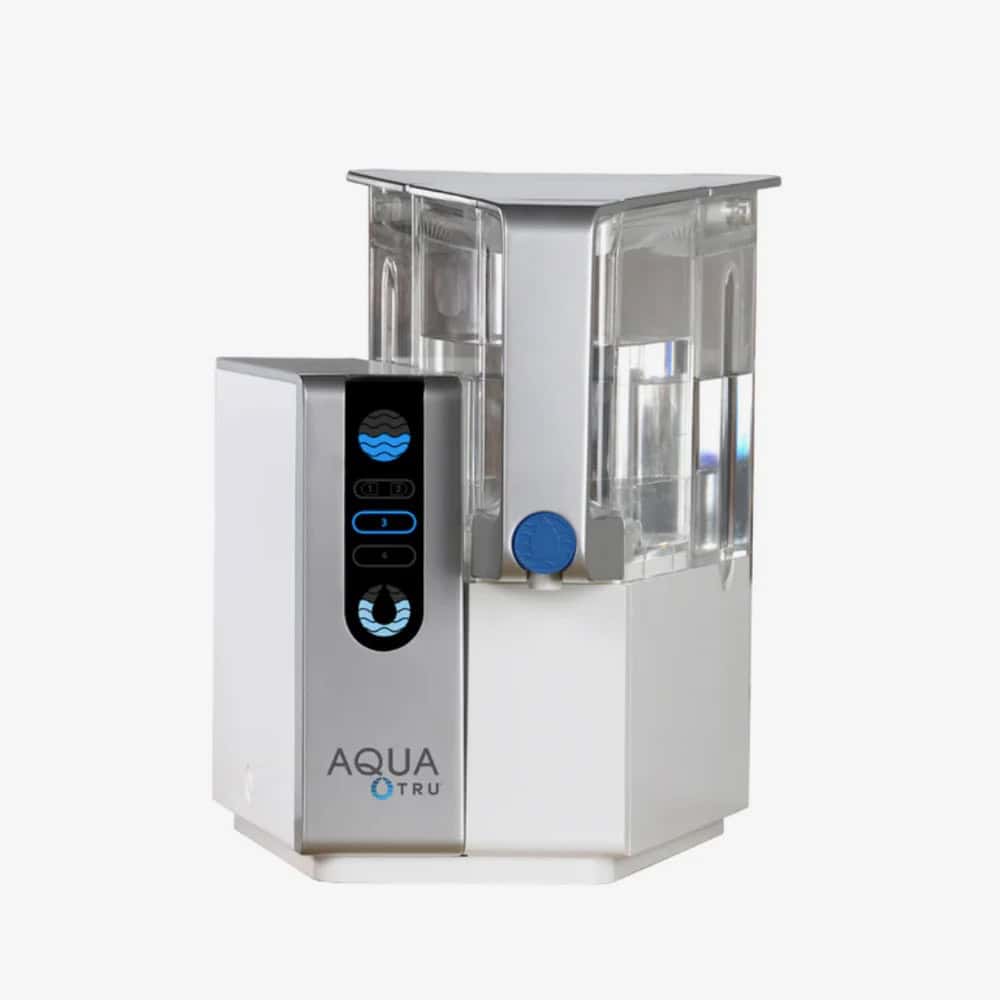
Reverse osmosis is one of the most effective ways to remove fluoride from water. An RO system works by pushing water through a semi-permeable membrane that filters out contaminants, including fluoride.
A high-quality reverse osmosis filtration system can remove up to 90–95% of fluoride, making it one of the best options for those looking to significantly reduce fluoride levels.
RO systems are typically installed under the sink and provide purified water through a dedicated faucet. While they require an upfront investment, they are highly effective for overall water filtration.
My top pick for an RO system is AquaTru.
Activated Alumina Filters
Activated alumina is a specialized filtration media that is highly effective at attracting and removing fluoride from water. Note: this is controversial due to the aluminum exposure.
This type of filtration system works through adsorption, where fluoride ions bind to the surface of the activated alumina. It can significantly reduce fluoride levels when properly maintained.
Activated alumina filters are often used in whole-house systems or countertop units, but they do require regular replacement to remain effective.
Distillation Systems
Distillation is another method that can remove fluoride from water. This process involves boiling water and then collecting the condensed steam, leaving contaminants like fluoride behind.
While distillation is effective for fluoride removal, it can be slower and less convenient compared to other filtration systems. It also removes beneficial minerals, which some people choose to add back in after the process.
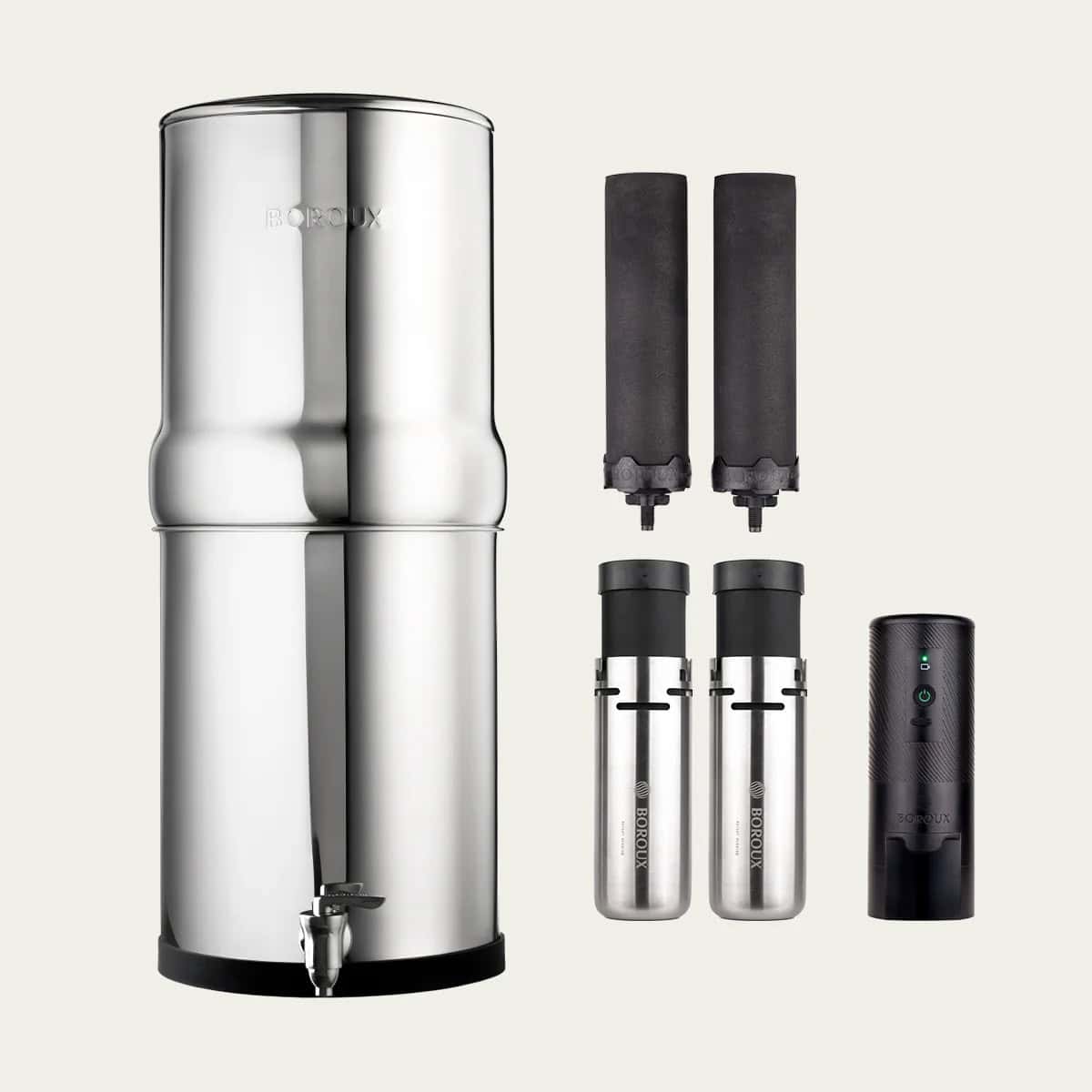
nano-carbon Filters
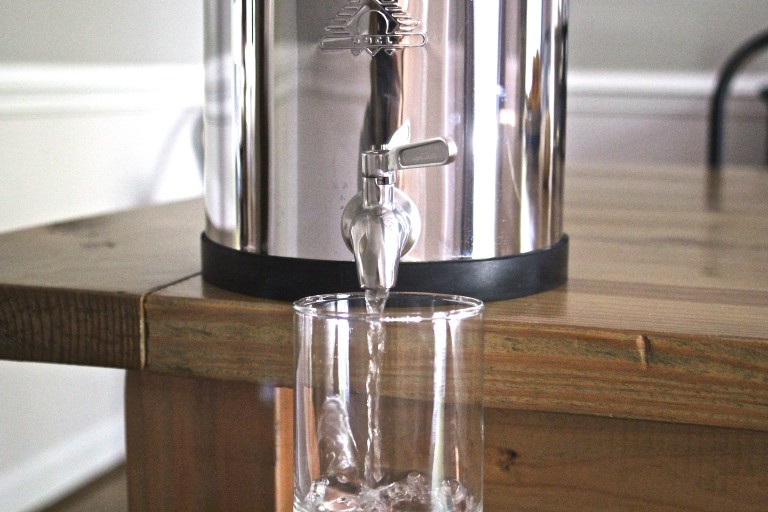
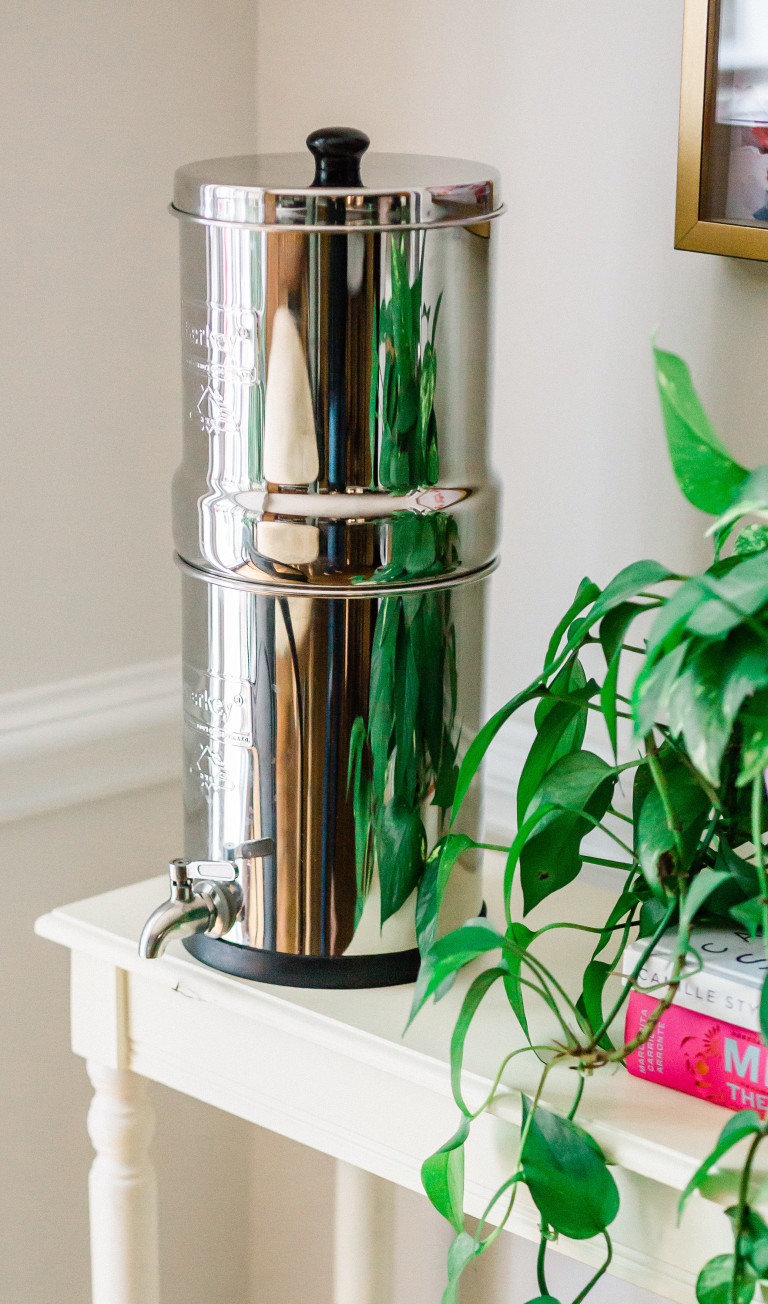
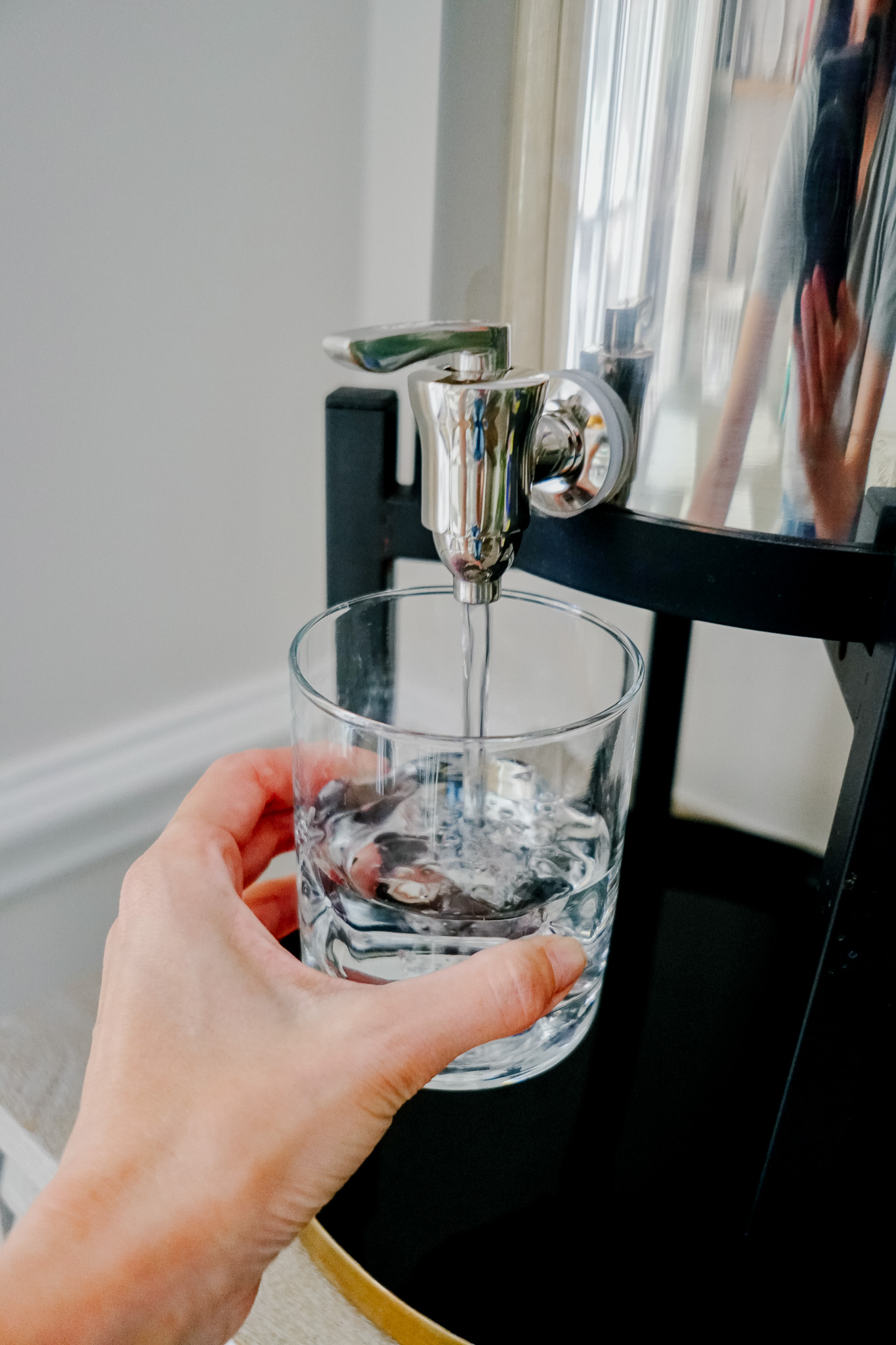
This is used in within the larger filtering unit of the BOROUX system, which is what we use in my home.
Fluoride molecules are particularly small, requiring specially formulated nano-carbon. They have a specially designed fluoride filter you add on to their unit and it works well.
Whole House Filtration Systems
If you want to reduce fluoride exposure beyond just drinking water, a whole-house filtration system may be worth considering.
Some advanced systems combine multiple filtration methods, such as activated alumina and carbon, to reduce fluoride throughout your entire home, including showers and baths.
Choosing The Right Water Filter
When choosing a water filter to remove fluoride from water, it’s important to look for systems specifically designed for fluoride removal.
Many standard filters (like basic carbon filters) are not effective at removing fluoride, so always check product specifications before purchasing.
If you’re looking for a high-quality option, I’ve shared more details in my Boroux water filter review, where I break down a popular filtration system and how it performs in real-life use.

Final Thoughts On Filtering Fluoride
If you’re concerned with overall exposure to fluoride, the good news is that there are several safe and effective ways to remove fluoride from water, including reverse osmosis systems, countertop filters, and distillation methods.
If reducing fluoride intake is important to you, investing in the right water filtration system can make an impact on your exposure.
As always, do what feels best for your home and family.
*Some affiliate links used. All thoughts and opinions are my own