Natural Sunscreen Ingredients: What To Look For
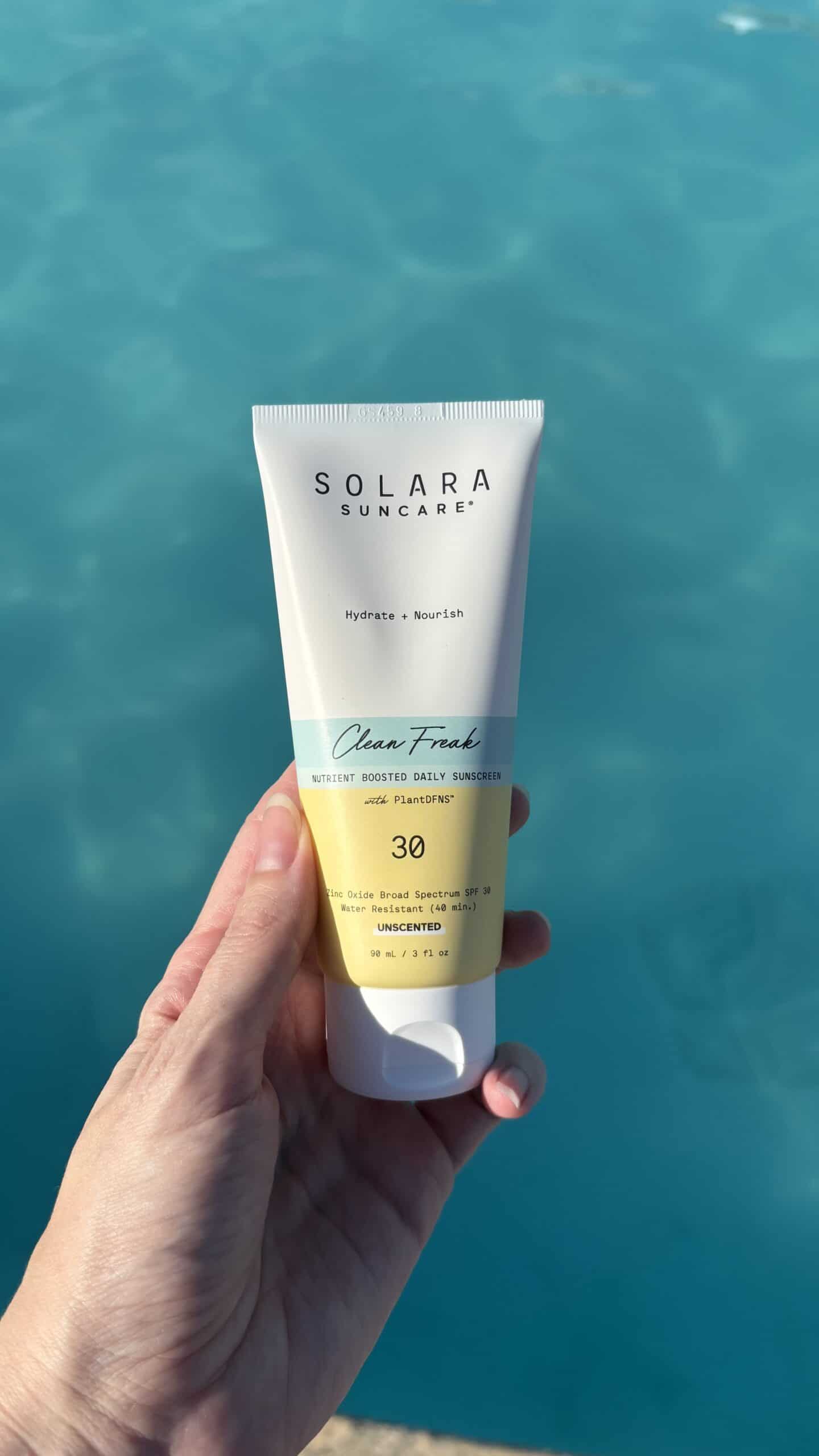
Sunscreen is one of those essentials that most of us use these days. While I think getting a little sunshine is healthy for us, I’m also aware of the sun spots and other damage it can cause. So I’m particularly careful with my face. But whether you’re spending a full day outside or just running errands, applying sunscreen consistently and reapplying it often is one of the best ways to guard against damage from UV rays and premature aging.
As we’re all wearing it more often, I think we’ve all become more conscious about what ingredients are in sunscreen. As awareness grows, many people are starting to look beyond just SPF levels and take a closer look at what they’re putting on their skin.
Natural sunscreen ingredients matter as consumers look for safer, skin-friendly, and environmentally responsible (like reef safe) options. In this post, I’m sharing a complete guide to natural sunscreen ingredients so you can feel confident choosing products that support both your health and the planet.

Natural Sunscreen Ingredients
When it comes to choosing a sunscreen, it’s easy to focus only on the sun protection factor, but there’s more to it than that. Many conventional formulas rely on chemical sunscreens that use synthetic filters to absorb UV radiation. While effective, these filters have raised concerns about skin sensitivity, hormone disruption, and environmental impact.
Choosing the right sunscreen goes beyond SPF levels. Understanding natural sunscreen ingredients allows you to make informed decisions that not only protect against UV damage but also minimize potential risks to your body and the environment.
Natural SPF options typically rely on mineral sunscreens and other supportive plant-based ingredients that work with your skin rather than against it.
Are Ingredients In Sunscreen Harmful?
Not all sunscreen ingredients are harmful, but there is an important distinction between chemical sunscreens and mineral sunscreens.
Chemical sunscreens use active ingredients like oxybenzone or octinoxate to absorb UV rays and convert them into heat. While this process helps prevent sunburn, some of these ingredients have been linked to skin irritation, hormone disruption concerns, and environmental damage, especially to coral reefs.
Mineral sunscreens, on the other hand, use natural active ingredients like zinc oxide and titanium dioxide. These sit on top of the skin and physically reflect UVA and UVB rays, offering broad-spectrum protection without being absorbed into the bloodstream in the same way.
There’s also growing concern about how sunscreen ingredients impact the environment. Certain chemical filters have been shown to contribute to coral reef bleaching. This is why many people are switching to reef-safe, natural sunscreen options.
Choosing a natural sunscreen with thoughtfully selected ingredients can reduce your exposure to questionable chemicals while still providing effective sun protection.
**FYI- some brands will blend mineral and chemical sunscreens together in their formulas and say something like “mineral-based formula.” This is more than a bit misleading. Be sure to check ingredient labels when in doubt.
What Are Natural Sunscreen Ingredients?
Natural sunscreen ingredients typically fall into two categories: mineral UV filters and supportive skin-loving ingredients that enhance protection and nourishment.
Zinc Oxide
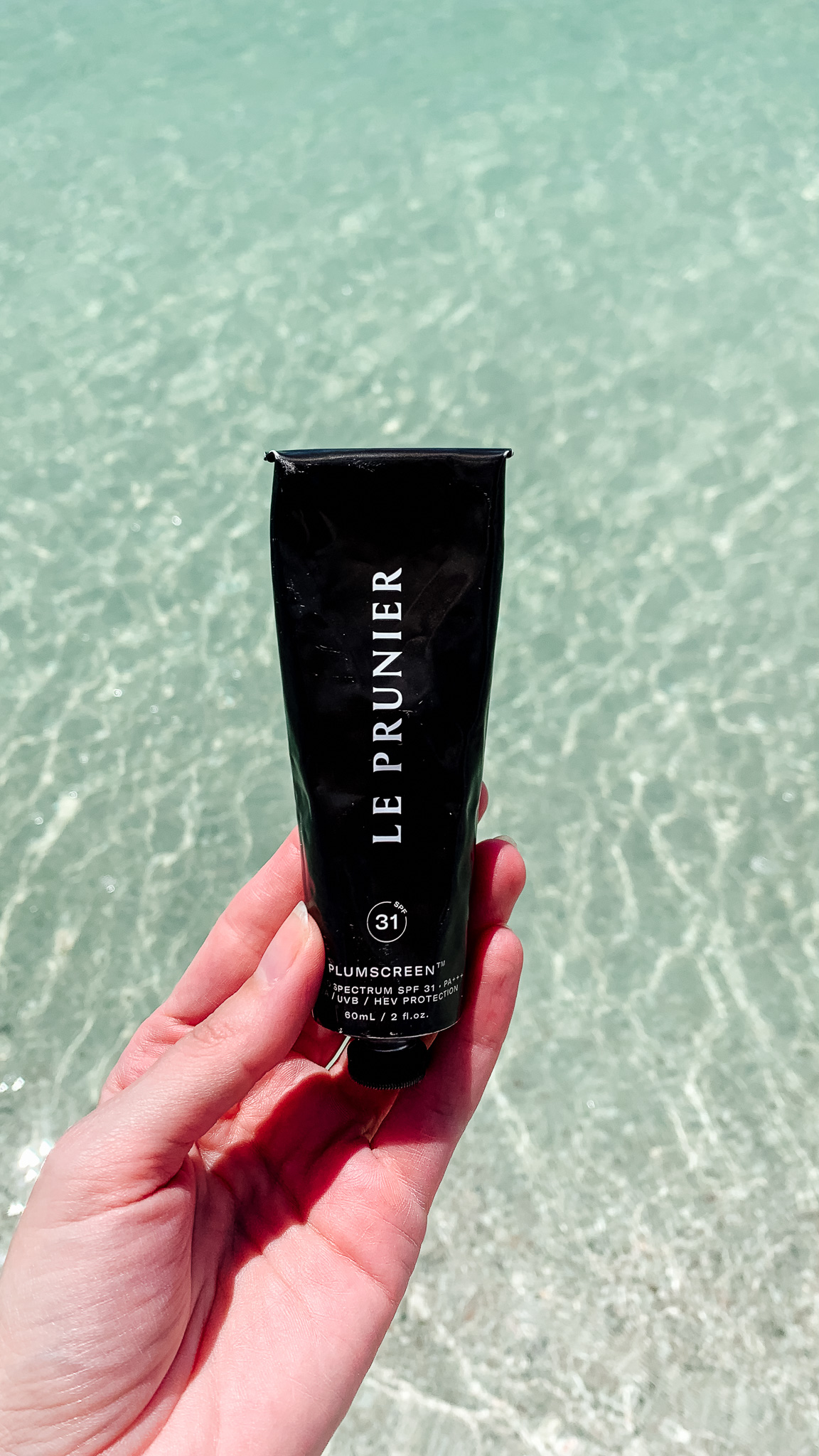
Zinc oxide is one of the most trusted and widely used active ingredients in natural sunscreen. It provides true broad-spectrum protection against both UVA and UVB rays by sitting on the surface of the skin and reflecting UV radiation.
It’s especially gentle, making it ideal for sensitive skin, babies, and those prone to irritation. Non-nano zinc oxide is often preferred. It’s less likely to be absorbed into the skin and is considered safer for marine life.
Zinc oxide is a cornerstone of most mineral sunscreens and plays a key role in achieving effective natural SPF.
Titanium Dioxide
Titanium dioxide is another mineral-based UV filter commonly used alongside zinc oxide. It helps block UV rays and is particularly effective against UVB rays.
While it may not provide as complete broad-spectrum coverage on its own, combining titanium dioxide with zinc oxide creates a more well-rounded level of sun protection.
Like zinc oxide, it works by forming a physical barrier on the skin rather than being absorbed. This makes it a safer alternative to many chemical sunscreens.
Plant-Based Oils and Extracts
Plant-based ingredients are often included in natural sunscreen formulas to nourish the skin and support its barrier function. These can also help the sunscreen apply better, leaving less of a white cast. Ingredients like coconut oil, shea butter, and aloe vera are great for their moisturizing and soothing properties. Sometimes, essential oils are used for natural fragrance or healing properties.
Shea butter helps lock in hydration and protect the skin barrier, while coconut oil provides lightweight moisture and a subtle natural SPF (though not enough to rely on alone). Aloe vera is especially helpful for calming skin after sun exposure.
You may also see ingredients like red raspberry seed oil and carrot seed oil. These ingredients are often praised in the natural beauty space. While these oils offer antioxidant benefits and may contribute to overall skin health, they should not replace tested sunscreen active ingredients.
These plant-based additions enhance the effectiveness and wearability of natural sunscreen, but they are best used alongside mineral UV filters rather than as standalone protection.
Antioxidants
Antioxidants play an important supporting role in natural sunscreen formulations. Ingredients like green tea extract and vitamin E help neutralize free radicals caused by light exposure and environmental stressors.
While they don’t block UV rays directly, antioxidants can help reduce oxidative stress and support overall skin health when used in combination with mineral sunscreens.
They also help stabilize formulations and improve the longevity of natural sunscreen products.
What Ingredients To Avoid In Sunscreen
Just as important as knowing what to look for is understanding what to avoid. Especially if you’re trying to create a cleaner, non-toxic skincare routine.
Oxybenzone
Oxybenzone is a common chemical sunscreen ingredient used to absorb UV rays. However, it has been widely flagged for potential hormone disruption and allergic skin reactions.
It’s also been linked to coral reef damage, making it a concern for both personal health and the environment.
Octinoxate
Octinoxate is another chemical UV filter that has raised concerns due to its potential environmental impact and ability to cause skin sensitivity.
Like oxybenzone, it has been banned in certain locations due to its harmful effects on coral reefs.
Homosalate and Octocrylene
Homosalate and octocrylene are often used to stabilize sunscreen formulas and enhance UV absorption. However, they may cause irritation in some individuals and have raised questions about long-term safety with repeated exposure.
These ingredients are commonly found in chemical sunscreens and are often avoided in natural formulations.
Synthetic Fragrances and Preservatives
Fragrance may seem harmless, but synthetic fragrance blends can contain dozens (or even hundreds) of undisclosed chemicals. These can trigger irritation, especially for those with sensitive skin. Choosing fragrance-free or naturally scented products is often a better option.
Similarly, certain synthetic preservatives may disrupt the skin barrier or cause allergic reactions. Not all preservatives are bad, but you may want to skip the harsher ones.
Parabens and Phthalates
Parabens and phthalates are commonly used in personal care products as preservatives and stabilizers. However, they are often avoided in natural sunscreen due to concerns about hormone disruption and long-term health effects.
Many clean beauty brands now formulate without these ingredients, making it easier to find safer alternatives.
Finding Natural Sunscreen
Choosing a natural sunscreen doesn’t have to be complicated, but it does require looking beyond marketing claims and understanding the ingredients that truly matter.
Mineral sunscreens with zinc oxide and titanium dioxide provide reliable protection against UVA and UVB rays, while plant-based oils, antioxidants, and soothing extracts help support your skin during sun exposure.
At the same time, avoiding certain chemical sunscreens and potentially harmful additives can help you create a routine that aligns with both your health goals and environmental values.
While DIY sunscreen and homemade sunscreen recipes are often shared online, it’s important to remember that effective sun protection requires properly tested formulations. Natural SPF from oils alone isn’t enough to protect against prolonged UV exposure.
If you’re looking for safer options, I’ve rounded up my favorite best natural sunscreens to help you get started.
By choosing a thoughtfully formulated natural sunscreen, you can protect your skin from daily light exposure while supporting a cleaner, more conscious lifestyle.