Summer Skin Care: A Clean, Non-Toxic Routine for Glowing Skin
Every summer, my skin reminds me that the routine that worked perfectly in January isn’t necessarily what it needs in July. As the temperatures climb, I notice more shine and skin that somehow feels oily and dehydrated at the same time. Add stronger sunshine, humidity, and more time outdoors, and it’s easy to understand why summer skin has different needs.
After more than 12 years testing clean beauty products on my own skin through hot North Carolina summers, I’ve found that the best summer routine isn’t the longest or the most complicated. It’s simply one that adapts to the season. A few tips can help your skin stay balanced, comfortable, and glowing all summer long.
Of course, every person’s skin is unique. Results will vary depending on your skin types, lifestyle, and climate, but I hope the routine below gives you a simple starting point that you can customize to fit your own skin.
Summer Skin Care
Summer brings a completely different environment for our skin than the cooler months. Heat, humidity, sweat, increased sun exposure, and more time outside all affect how our skin behaves.
Many people notice they produce more natural oil, yet their skin still feels tight after cleansing. That’s because dehydration and oil production are two different things. Your skin can be oily on the surface while still lacking water underneath.
Humidity can also make pores appear larger, while sunscreen, sweat, makeup, and environmental debris can contribute to clogging pores if they aren’t removed properly.
Meanwhile, the stronger summer sun means greater exposure to UV rays, which can contribute to premature aging, uneven skin tone, and dark spots over time.
Instead of trying to strip away every bit of oil, I prefer to focus on supporting my skin barrier with lightweight, non-toxic products that hydrate, protect, and keep my skin balanced.
Why Your Skin Needs Different Care in Summer
The biggest mistake I see people make is assuming they should simply use fewer products because it’s hot outside.
In reality, your skin often needs different products rather than fewer products.
Higher levels of UV rays increase your risk of sunburn, tanning, and pigmentation. Sweat and humidity combine with sunscreen, makeup, and excess oil, increasing the chance of clogging pores. At the same time, air conditioning, swimming, and long days outdoors can leave skin dehydrated, even when it looks shiny.
The solution isn’t aggressively drying out your skin. Instead, it’s choosing lighter formulas that hydrate without feeling heavy and help lock in moisture while allowing your skin to breathe.
How to Build a Summer Skin Care Routine
I like keeping my summer routine simple. Consistency almost always beats a complicated routine that feels overwhelming by mid-July.
Step One: Cleanse With a Gentle Lightweight Cleanser
A gentle cleanser removes sweat, sunscreen, makeup, and excess oil without stripping your skin.
During summer, I often cleanse twice each day: once in the morning to remove overnight oil buildup and again at night to thoroughly wash away sunscreen and impurities. Sometimes I even double-cleanse at night to make sure I get all of the makeup and sunscreen off.
Avoid harsh cleansers that leave your face feeling tight. If your skin feels squeaky clean afterward, you’ve probably removed too much of your skin’s protective barrier.
Step Two: Apply an Antioxidant Serum
Morning antioxidants help defend skin against environmental stressors while supporting a brighter complexion.
Vitamin C remains one of my favorite ingredients during summer because it helps promote a more even-looking skin tone while working alongside sunscreen as part of an overall daytime routine.
If you’re looking for one that fits a clean beauty routine, I share my favorite tips in my guide on how to find the right natural vitamin C serum.
Step Three: Use a Lightweight Moisturizer
One of the biggest skincare myths is that oily skin doesn’t need moisturizer.
In reality, skipping moisturizer often encourages your skin to produce even more natural oil.
Instead, look for lightweight lotions or gel creams that hydrate while helping lock in moisture without feeling greasy.
Step Four: Finish With Daily SPF
No summer skincare routine is complete without sunscreen.
I apply sunscreen every single morning (even on cloudy days) and reapply whenever I’m spending extended time outdoors.
This is something I’ve done since my teens and has made one of the biggest differences in helping prevent dark spots and premature aging.
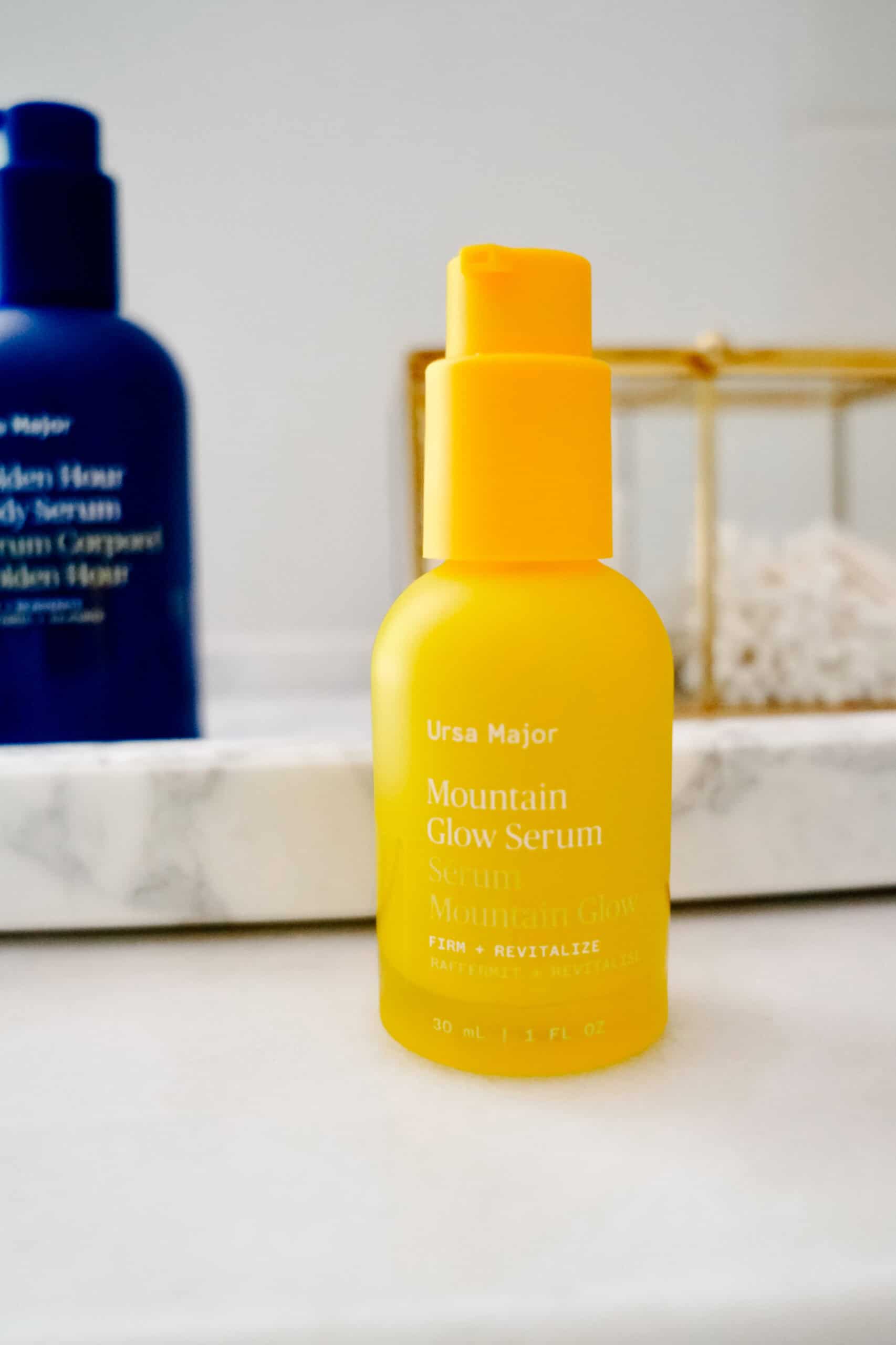
Clean, Non-Toxic Summer Skin Care Products and Ingredients
When choosing summer skincare products, I look for formulas that feel lightweight while supporting my skin barrier.
Some of my favorite ingredients include:
- Niacinamide to help balance oil and improve the appearance of pores
- Hyaluronic acid for lightweight hydration
- Aloe vera to calm skin after sun exposure
- Glycerin to attract moisture
- Green tea extract for antioxidant support
- Squalane for lightweight nourishment
Personally, I also prefer products labeled non-comedogenic when possible, especially during the hottest months.
As for ingredients I choose to avoid, that’s based on my personal preferences rather than settled science. I generally avoid heavily fragranced products because they can sometimes irritate my skin, especially after sun exposure. I also tend to skip very heavy oils or rich occlusive creams during summer because they simply don’t feel comfortable on my skin in humid weather.
Everyone’s preferences will be different, but I’ve found that lighter formulas make my routine more enjoyable and easier to stick with.
Sun Protection: The Non-Negotiable Step of Summer Skin Care
Nothing impacts your skin more during summer than sun protection.
Besides sunscreen, I also try to:
- Wear wide-brim hats whenever possible.
- Seek shade during peak afternoon hours.
- Wear sunglasses to protect the delicate eye area.
- Reapply sunscreen every two hours when outdoors.
- Wear lightweight UPF clothing for long outdoor activities.
Is Mineral or Chemical Sunscreen Better?
For health reasons, I believe mineral sunscreen is much better.
Mineral sunscreen uses zinc oxide and titanium dioxide to sit on the skin’s surface and reflect or scatter much of the incoming UV radiation, while chemical sunscreen ingredients absorb UV energy and convert it into heat before it’s released from the skin.
Personally, I usually reach for mineral sunscreens because of research pointing to the risks of chemical sunscreens, including how they tend to bioaccumulate within your body. Also, mineral sunscreens support a cleaner beauty routine and tend to work well with my sensitive skin. I especially appreciate formulas made with non-nano zinc oxide that provide broad-spectrum protection without feeling overly heavy.
Finding a sunscreen you’ll actually wear every day makes it easier to stay consistent. You can check out some of my top picks here.
Summer Skin Care by Skin Type
No two people experience summer skin exactly the same way.
Oily and Combination Skin
Look for lightweight cleansers, gel moisturizers, and ingredients like niacinamide that help balance excess oil.
Avoid over-cleansing, as this can encourage your skin to produce even more natural oil.
Dry Skin
Even during humid weather, dry skin still needs hydration.
Layer hydrating serums underneath a lightweight moisturizer to help lock in moisture while avoiding thick winter creams that may feel too heavy.
Sensitive Skin
Sensitive skin often becomes more reactive after prolonged sun exposure.
Choose fragrance-free products when possible and include soothing ingredients like aloe vera, oat extract, or centella asiatica to calm irritation.
Summer Skin Care Mistakes to Avoid
Some of the biggest mistakes I see every summer include:
- Over-cleansing your face
- Skipping moisturizer because your skin feels oily
- Over-exfoliating sun-exposed skin
- Continuing to use heavy winter creams
- Using strong retinoids or exfoliating acids during the day instead of nighttime
- Forgetting sunscreen reapplication
- Ignoring your neck, chest, hands, and lips
- Sleeping in sunscreen or makeup
- Using products that contribute to clogging pores
- Forgetting to clean hats, sunglasses, and makeup brushes regularly
Post-Sun and Cooling Care
After spending the day outside, I like giving my skin a chance to cool down and recover.
Usually that means taking a cool (not icy) shower, applying aloe vera gel, and following with a lightweight moisturizer while my skin is still slightly damp.
If my skin feels particularly warm after being outdoors, I’ll also use a cooling face mist or one of my favorite natural hydrating face masks.
It’s really refreshing and it helps my skin feel refreshed while replacing hydration that may have been lost throughout the day.
Ingredients like cucumber extract, aloe vera, calendula, and chamomile are especially soothing after time in the summer sun.
Brightening Summer Dark Spots and Uneven Tone
Even with diligent sunscreen use, spending more time outside can sometimes lead to uneven pigmentation or lingering dark spots. This is why I always use sunscreen on my face even though I think getting some vitamin D from sunshine is actually pretty important. I like to get a little sun anywhere but my face 🙂
Fortunately, several clean skincare ingredients can help improve the appearance of discoloration over time.
Vitamin C remains one of my favorites, along with niacinamide and azelaic acid.
Azelaic acid can help support a brighter, more even-looking complexion while being gentle enough for many people with sensitive skin.
The key is consistency. Brightening ingredients often take several weeks, or even months, of regular use before noticeable improvements appear.
Of course, none of these ingredients replace sunscreen. Preventing additional sun damage is just as important as treating existing discoloration.

Hydration From the Inside Out
Hydrated skin isn’t only about the products you apply, I’ve seen a big difference in my skin depending on how hydrated I am.
Hydration starts from within.
When temperatures rise, we naturally lose more water through sweat, making it even more important to stay hydrated throughout the day.
I try to carry a reusable water bottle with me whenever I’m outside, and I also include plenty of water-rich foods in my meals.
Some of my favorites include:
- Cucumber
- Watermelon
- Strawberries
- Oranges
- Celery
- Tomatoes
When I’m dehydrated, my skin often looks dull and tired, yet paradoxically becomes oilier as it tries to compensate.
Supporting hydration from the inside while using topical products that lock in moisture gives my skin the healthiest overall appearance.
Your Best Summer Skin
Creating an effective summer skin care routine doesn’t require dozens of products or complicated 12-step regimens.
Keep it simple: cleanse gently, use antioxidant protection, hydrate with lightweight products, wear sunscreen every day, and give your skin extra care after long days in the sun.
Those simple habits have made the biggest difference in my own skin over years of testing clean beauty products through humid North Carolina summers.
Remember that every person’s skin is different. Your climate, lifestyle, and skin type all influence what works best for you. Don’t be afraid to make small adjustments throughout the season until you find the routine your skin loves.
Here’s to healthy, comfortable, and glowing all season long!