What Is A Healthy Home?
Taking care of your health goes far beyond what you eat or how often you exercise. While nutrition and movement are important, a truly healthy body often starts with a healthy home. After all, most of us spend a significant portion of our time inside our homes: sleeping, cooking, relaxing, and raising our families. The environment you live in day after day can quietly influence your overall health and wellness, sometimes in ways you don’t immediately notice.
When your home supports clean air, safe materials, and a low-tox lifestyle, it can help reduce unnecessary exposures that contribute to health problems over time. On the flip side, an unhealthy home environment may expose you to pollutants, allergens, and hazards that place extra stress on your body.
That’s why today I’m diving into what is a healthy home, what factors make a home healthier, common health and safety hazards to watch out for, and practical steps you can take to create a healthier environment at home, without feeling overwhelmed.
*Please note that while I’ll include some favorite tools and devices, I’m a strong believer in starting where you are. You can absolutely take steps to create a healthy home that cost little to no money!
What Is A Healthy Home?
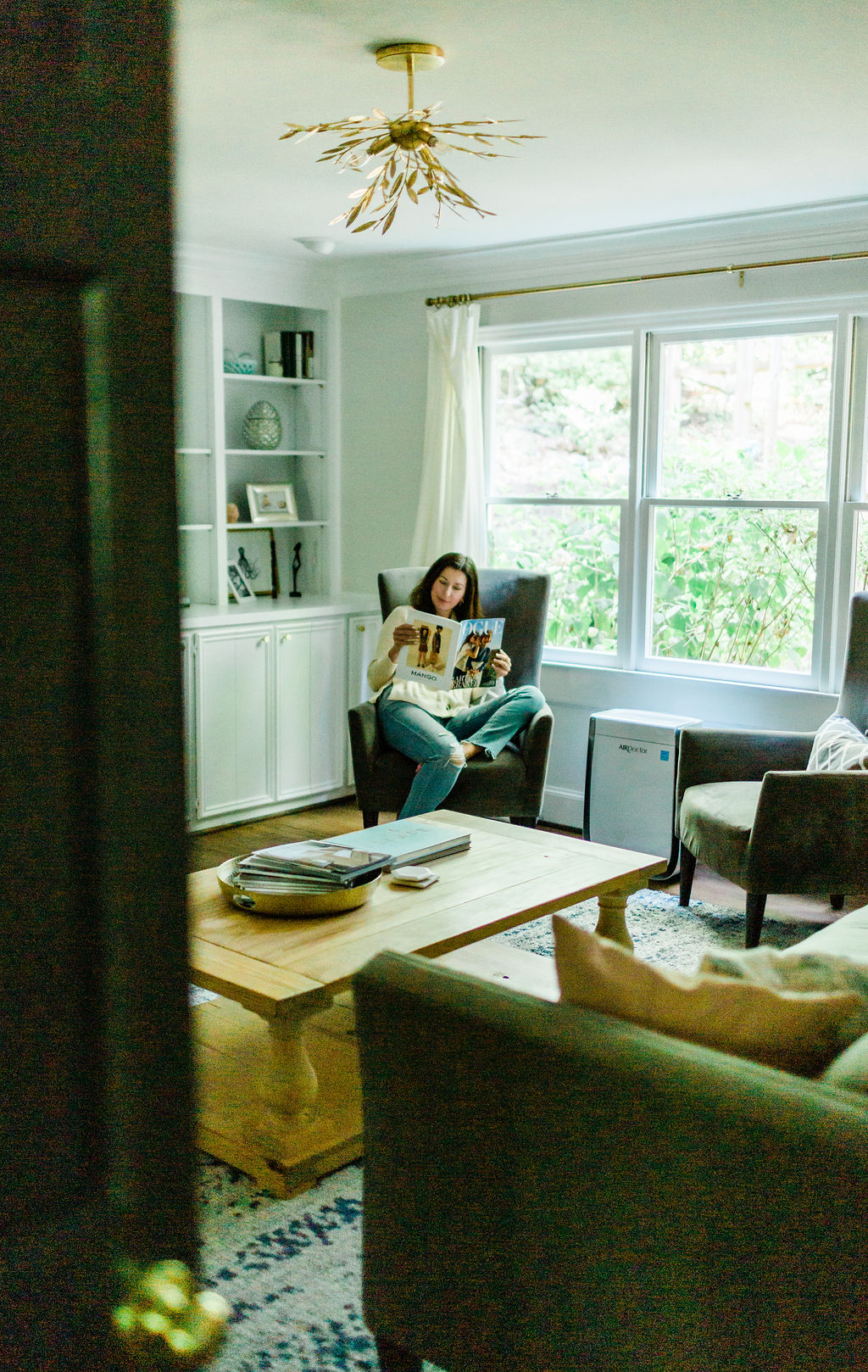
A healthy home is a living space that supports your health and wellness by minimizing harmful exposures and promoting safer, cleaner daily living. At its core, a healthy home is designed to reduce contaminants, improve indoor air quality, and create an environment where your body doesn’t have to work overtime to detox or defend itself.
This means prioritizing things like fresh air, contaminant free water and surfaces, safe building materials, and everyday products that don’t introduce unnecessary chemicals into your space. A healthy home is also pest free, well-maintained, and mindful of hazards like mold, carbon monoxide, and poor ventilation.
And most importantly, a healthy home doesn’t have to be perfect! It’s about making intentional choices that gradually reduce risks and support better health for you and your family. Baby steps = steady progress.
What Makes A Healthy Home?
After spending years creating a healthy home for my family, I’d define it as making a sanctuary. While we can’t control every aspect of our homes or what we’re exposed to, creating a healthier space where you can feel good is the goal. Below are some of the most impactful areas to look at.
Clean Indoor Air Quality
Indoor air quality plays a huge role in overall health. Many homes contain indoor air pollutants from cleaning products, furniture, paint, candles, and even cooking. Poor ventilation can trap these pollutants inside, increasing the risk of respiratory issues, headaches, and other health problems.
A healthy home prioritizes fresh air through proper ventilation, air filtration, and reducing sources of indoor pollution whenever possible.
Contaminant Free Water
Water is something we use constantly for drinking, cooking, bathing, and cleaning. Unfortunately, tap water may contain contaminants like chlorine, heavy metals, or other impurities depending on where you live.
Using a high-quality water filtration system helps support a contaminant free home and reduces unnecessary exposure that can affect skin, digestion, and long-term health.
Non-Toxic Materials & Products
Choosing better materials makes a difference. From furniture and flooring to cleaning and personal care products, the materials inside your home matter. Many conventional products release volatile organic compounds (VOCs) that can contribute to health problems over time.
Safe Food Preparation Spaces
The kitchen is another important area of focus. It’s a great place to swap products to non-toxic. Cooking tools, food storage, and surfaces can introduce unwanted chemicals if they’re made from lower-quality materials.
Pest Free Living Areas
Rather than relying solely on harsh pesticides, a healthy home focuses on prevention, cleanliness, and safer pest-control methods.
Health And Safety Hazards In The Home
Even well-kept homes can contain hidden hazards. Understanding these risks is the first step toward reducing their impact on your health.
Carbon Monoxide
Carbon monoxide is a colorless, odorless gas produced by fuel-burning appliances like gas stoves, furnaces, fireplaces, and cars. Without proper ventilation or functioning detectors, carbon monoxide can build up indoors and pose serious health risks.
Exposure can cause symptoms ranging from headaches and dizziness to severe health problems and even death. Every healthy home should have working carbon monoxide detectors installed on each level.
Mold & Moisture Issues
Mold thrives in damp areas like bathrooms, basements, and kitchens. Leaks, poor ventilation, and excess humidity are common causes.
Mold exposure can contribute to respiratory issues, allergies, fatigue, and other health problems, especially for children or those with asthma or sensitivities.
Indoor Air Pollutants
Common household items like cleaning sprays, scented candles, and air fresheners can release chemicals into the air. Over time, breathing in these pollutants may negatively affect indoor air quality and overall health.
Reducing indoor air pollutants and increasing fresh air circulation is essential for a healthier home.
Chemical Residues & Toxins
Pesticides, flame retardants, and certain furniture finishes can leave behind residues that linger in dust and surfaces. These exposures are often low-level but constant, which can contribute to long-term health concerns.
How To Create A Healthy Home
Creating a healthy home doesn’t have to happen overnight. Small, intentional changes can make a meaningful difference over time.
Improve Ventilation & Air Flow
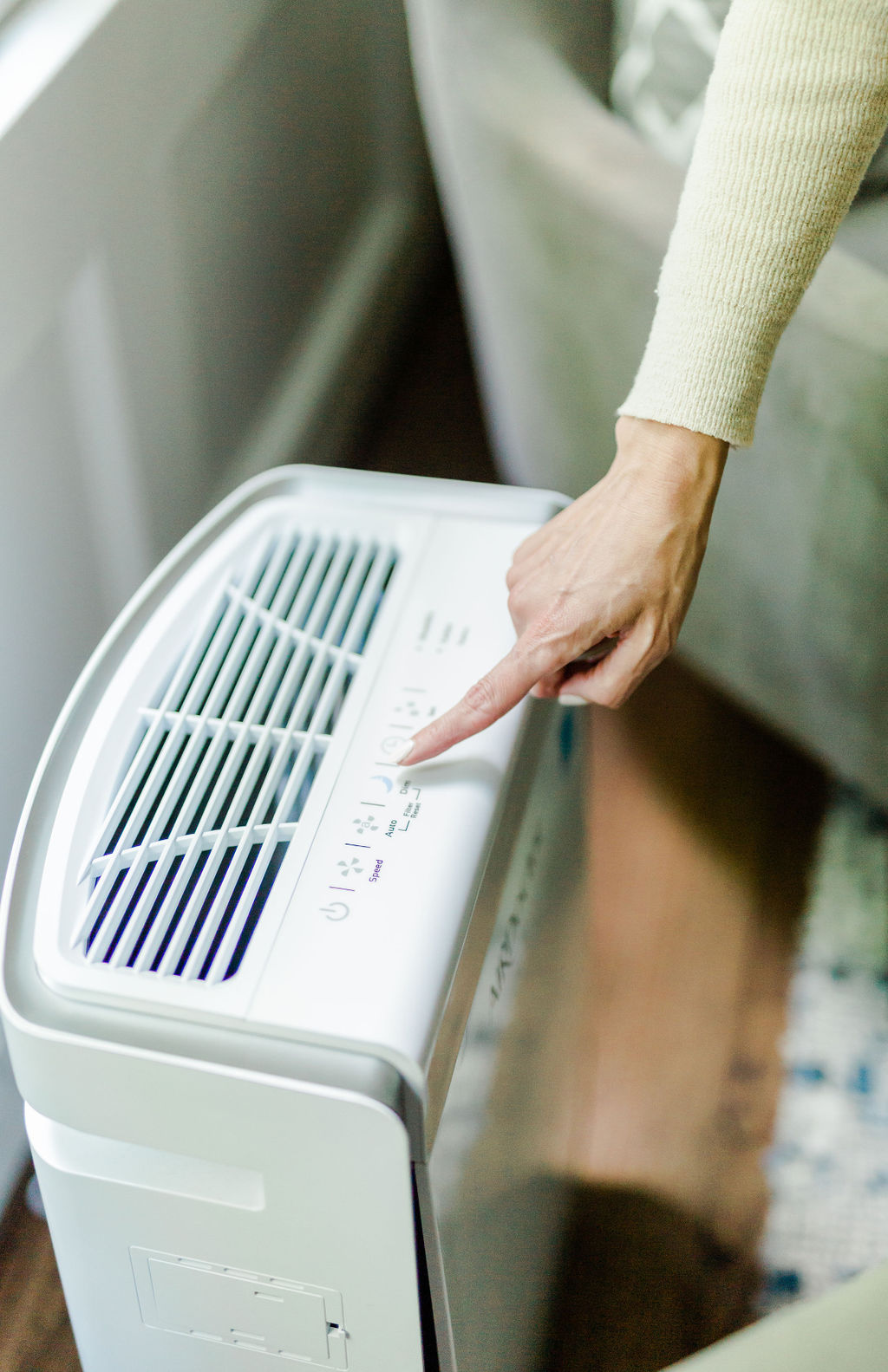
Open windows when weather allows, use exhaust fans (especially while cooking), and consider air purifiers to help bring in fresh air and reduce indoor pollutants. Better airflow supports healthier breathing and overall comfort.
My favorite air purifier is AirDoctor and you can see my full review + automatic discount here.
This podcast episode goes more in depth on creating a healthy home and has a cheap hack for creating your own air purifier.
Consider A Water Filter or Purifier
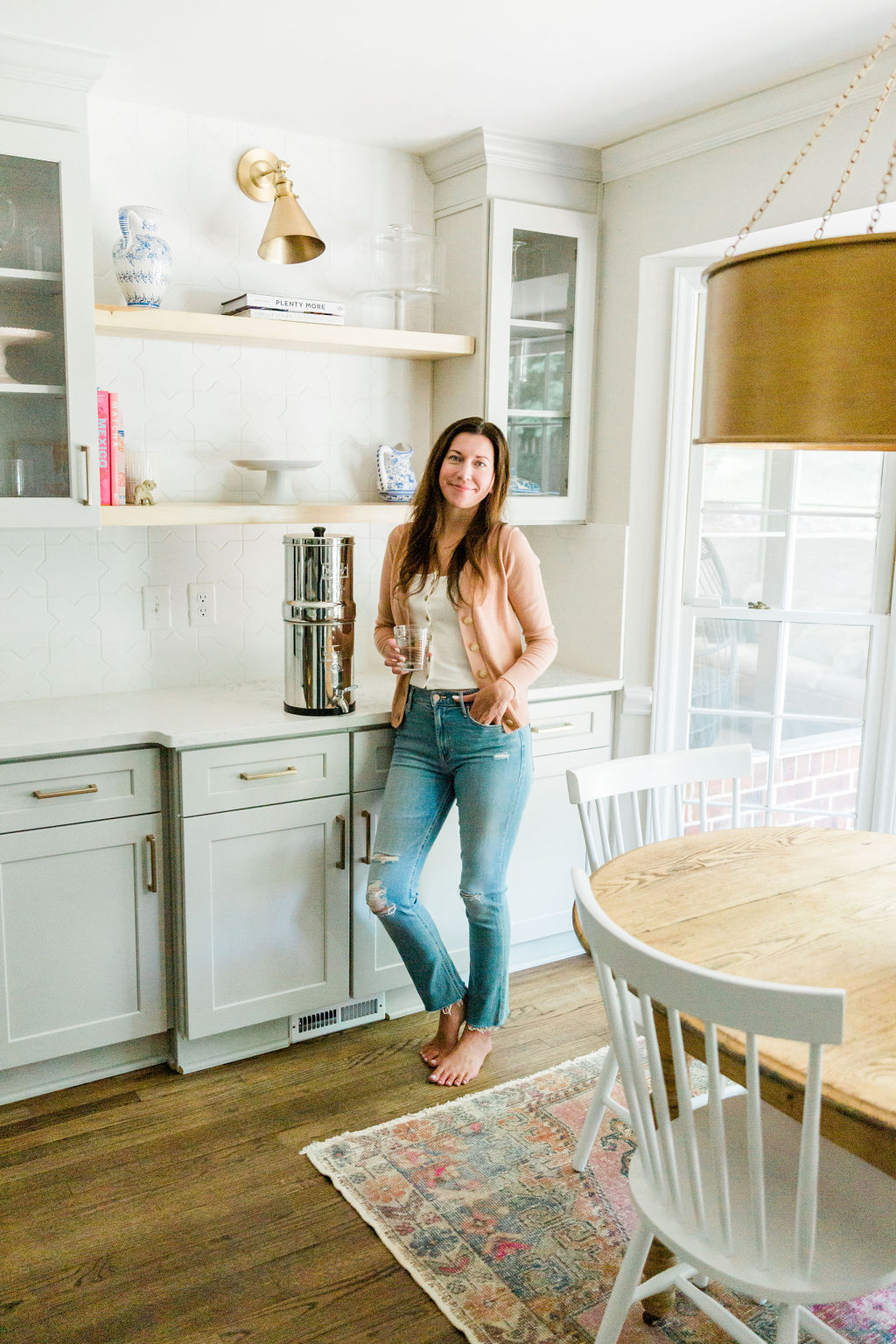
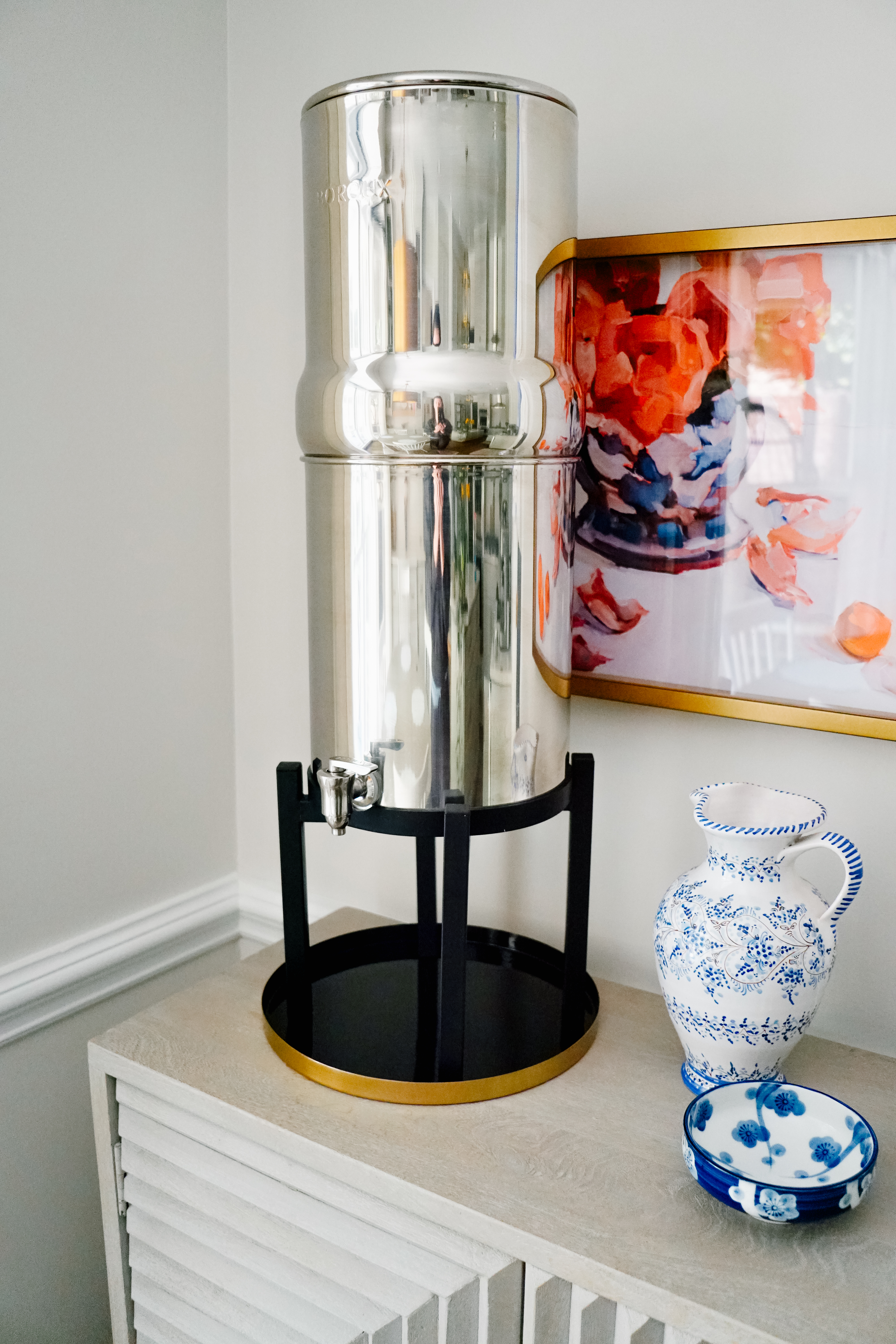
Using a high-quality water filtration system helps support a contaminant free home and reduces unnecessary exposure that can affect skin, digestion, and long-term health. We love Boroux and have a filter system in our kitchen to drink and cook with and now they also make shower filters! You can read more about my experience with Boroux here.
Choose Safer Cleaning & Home Products
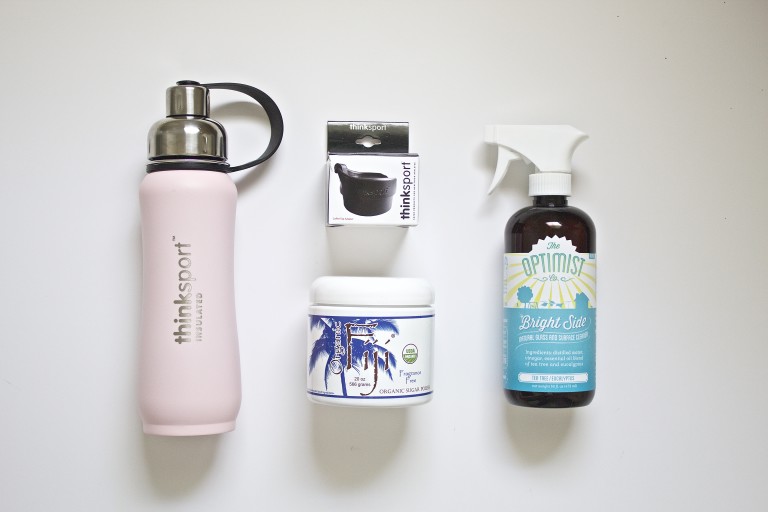
Swap out conventional cleaners and fragrances for non-toxic alternatives. Look for products with transparent ingredient lists and avoid synthetic scents whenever possible.
A healthy home emphasizes non-toxic, low-VOC materials and safer household products whenever possible. This includes being mindful of fragrances and opting for options like a trusted non toxic odor eliminator instead of synthetic air fresheners.
Address Moisture & Mold Quickly
Fix leaks promptly, use dehumidifiers in damp spaces, and ensure bathrooms and kitchens are well-ventilated. Keeping moisture under control helps prevent mold growth and related health problems.
Create A Pest Free Environment Naturally
Seal entry points, store food properly, and keep surfaces clean to discourage pests. When needed, opt for safer pest-control methods instead of harsh chemical sprays.
Upgrade Key Household Essentials
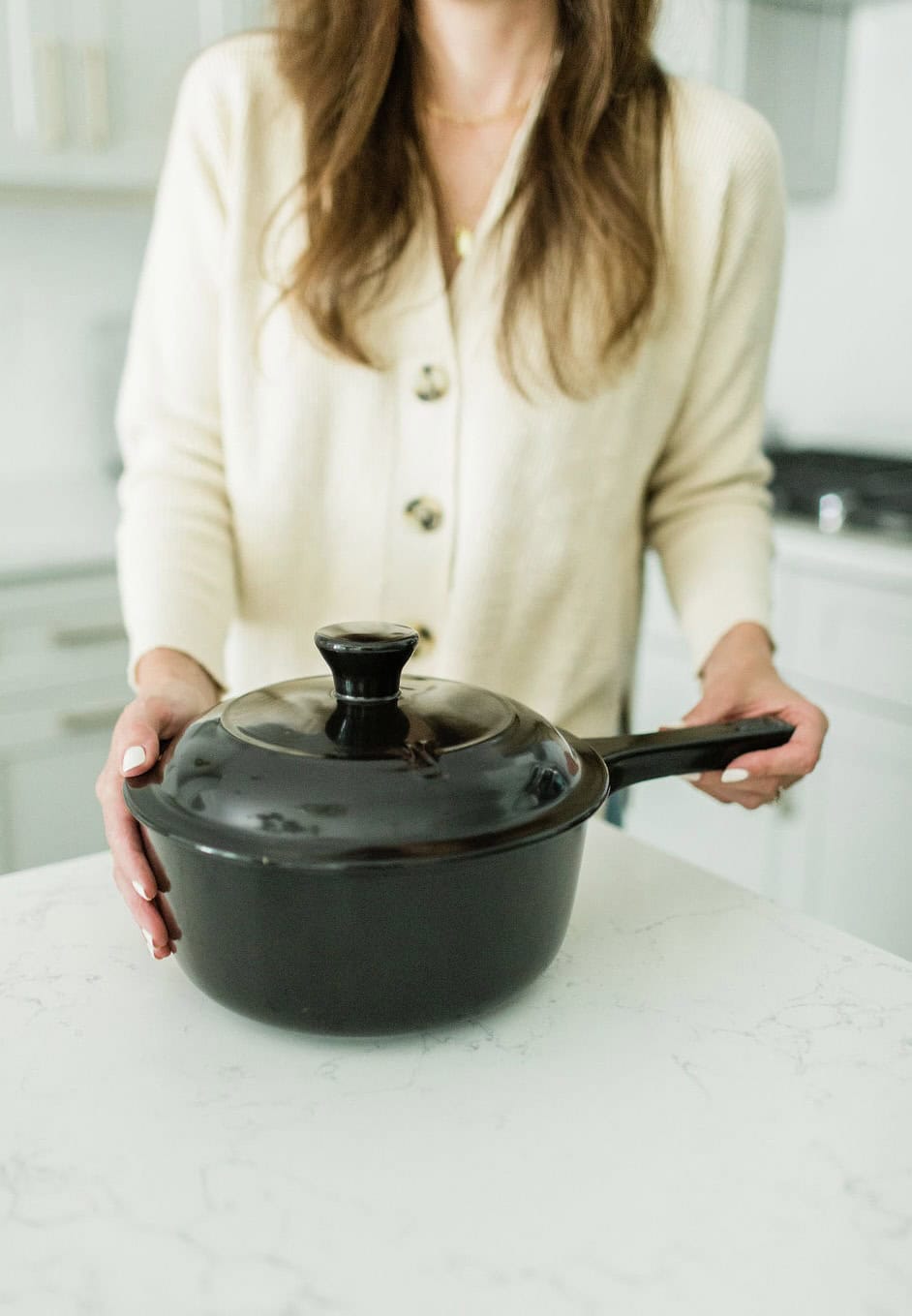
Focus on high-impact swaps first, like water filters, safer cookware, and better air quality tools. These upgrades support a more contaminant free living space without requiring a full home overhaul.
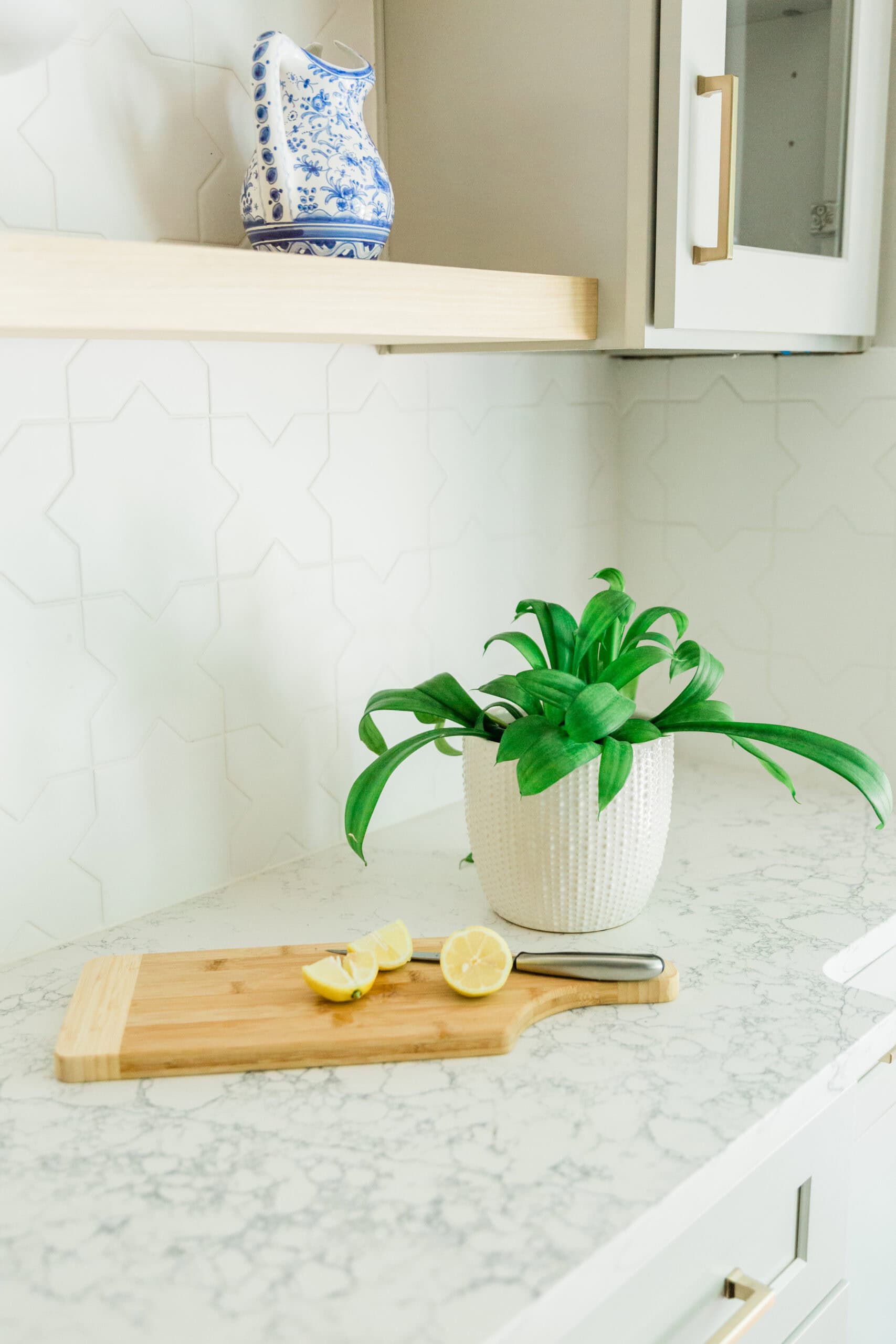
Choosing safer kitchen essentials, like the best non toxic cutting boards, helps reduce harmful exposure while supporting a healthier cooking environment.
Creating Your Healthy Home
A healthy home is about creating an environment that works with your body, not against it. By reducing toxins, improving air and water quality, and being mindful of everyday exposures, you can lower your risk of health problems and support long-term wellness for your entire family.
Remember, progress over perfection. Even small changes, like improving ventilation or choosing safer products can add up to a healthier, more supportive home over time.