How to Get Rid of Mosquitoes in Backyard

Ah, the bane of my summer: mosquitoes. I really hate mosquitoes, especially since I’m always the first to get bitten. Of course, mosquitoes in the backyard aren’t uncommon, but they can quickly turn a relaxing outdoor space into an uncomfortable (and annoying) one. Whether you’re trying to enjoy dinner on the patio, let your kids play outside, or simply unwind after a long day, constant buzzing and biting can make it nearly impossible. Unfortunately, getting rid of mosquitoes effectively isn’t about one quick fix but it is pretty easy. It requires a combination of prevention, treatment, and long-term maintenance. Today, I’m sharing a complete guide on how to get rid of mosquitoes in your backyard so you can reclaim your outdoor space and keep it that way.
How to Get Rid of Mosquitoes in the Backyard
Mosquitoes are more than just a nuisance. They can also carry diseases and reproduce incredibly quickly. In fact, it only takes a small amount of standing water for mosquitoes laying eggs to turn into a full-blown problem in just a matter of days. Because mosquito larvae develop rapidly, ignoring the issue can lead to an ongoing cycle that’s hard to break.
Addressing the mosquito problem early is clutch. I typically start in April here in North Carolina. A proactive approach to mosquito control not only improves your comfort outdoors but it also helps prevent the issue from returning. By understanding what attracts mosquitoes and using a combination of natural pest control strategies, you can significantly reduce their presence in your backyard.
Why Does My Backyard Have So Many Mosquitoes?
Standing Water in Gutters, Planters, Bird Baths
One of the biggest reasons you may be dealing with mosquitoes is standing water. Mosquitoes laying eggs rely on stagnant water sources, and even something as small as a clogged gutter or a forgotten planter tray can become a breeding ground.
Bird baths, kids’ toys, buckets, and even uneven surfaces that collect rainwater can all harbor mosquito larvae. The tricky part is that these areas often go unnoticed, making it easy for the mosquito population to grow quickly.
Dense Vegetation and Shaded Areas
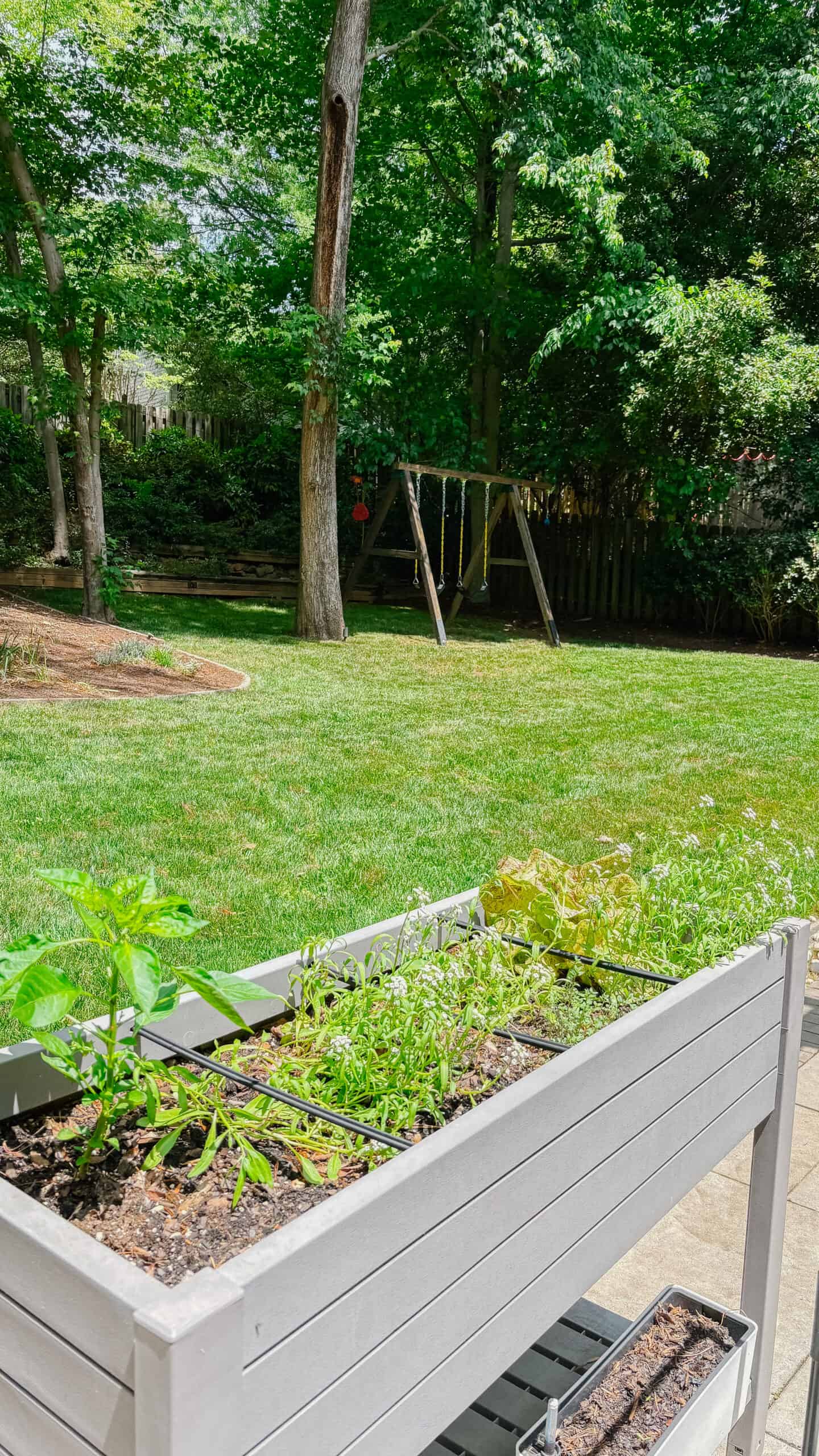
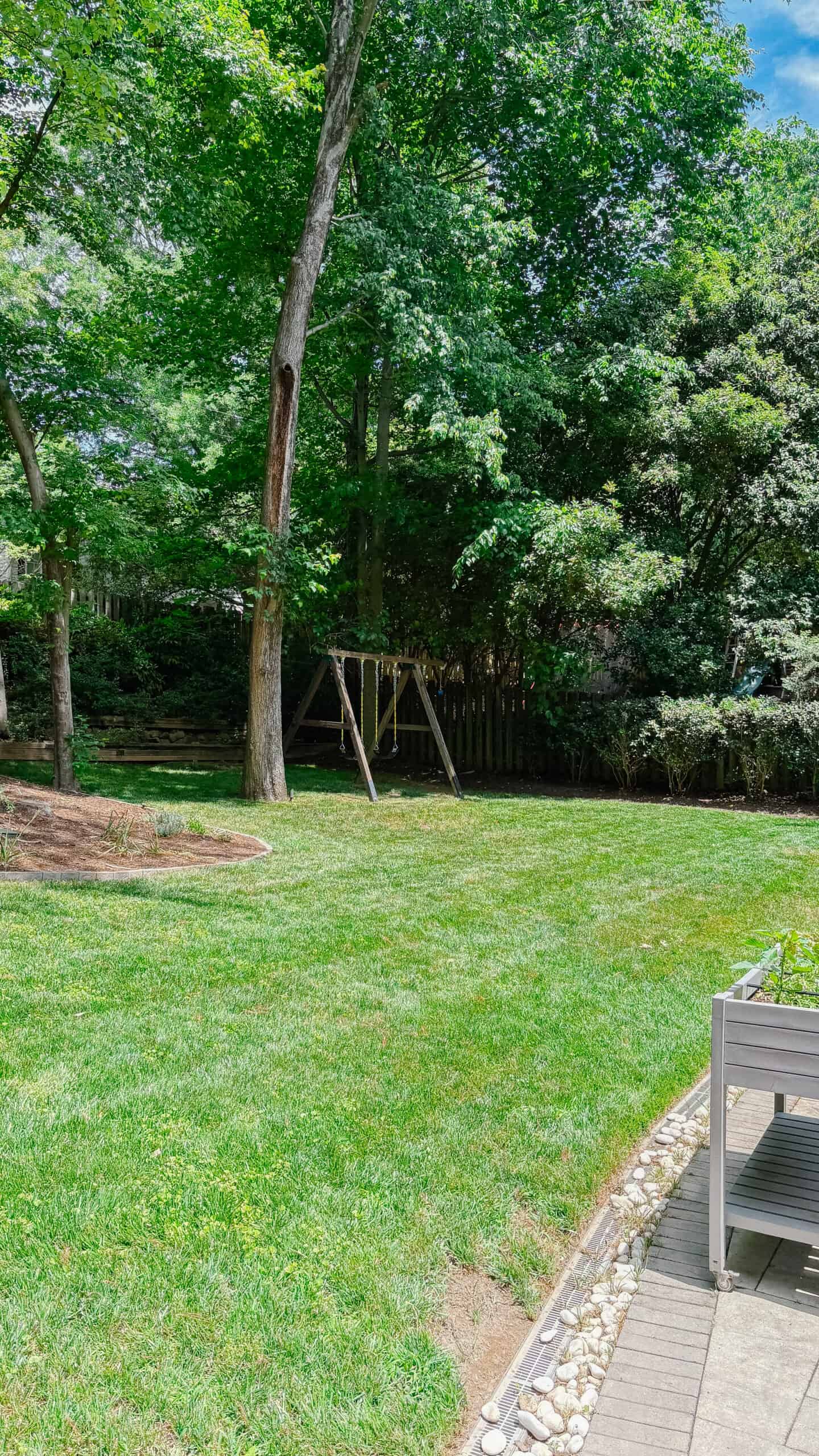
Mosquitoes love cool, shaded environments. If your yard has a lot of dense vegetation, overgrown shrubs, or thick landscaping, it can create the perfect hiding place for adult mosquitoes during the day.
These shaded areas also tend to trap moisture, which further attracts mosquitoes. Without proper airflow and sunlight, your backyard can unintentionally become a safe haven for them.
Poor Drainage or Damp Soil
If your yard tends to stay damp after rain or irrigation, poor drainage could be contributing to your mosquito problem. Wet soil and puddling water create ideal conditions for mosquitoes laying eggs.
Even if you don’t see obvious standing water, consistently moist ground can still support mosquito larvae development. Overwatering your lawn or having compacted soil can make this issue worse.
Warm Temperatures and Humidity
Mosquitoes thrive in warm, humid environments, which is why they tend to be more active in the summer months. Heat speeds up their life cycle, allowing mosquito larvae to mature into biting adults faster.
If you live in a climate with high humidity, your backyard may naturally attract more mosquitoes, making consistent mosquito control even more important.
What To Use In Backyards For Mosquitoes
Natural Mosquito Repellent Sprays
Natural sprays made with essential oils like citronella, lemon eucalyptus, lavender, and peppermint can be an effective part of your mosquito control routine. These sprays work by masking the scents that attract mosquitoes, making it harder for them to find you.
You can apply these sprays to outdoor furniture, patios, and even vegetation. Look for non-toxic formulas that are safe for kids and pets, especially if you’re using them regularly.
If you’re looking for product recommendations, I’ve shared my favorites in this guide to the best natural bug repellent.
Mosquito-Repelling Plants
Certain plants naturally deter mosquitoes due to their scent. Adding these to your backyard landscaping can be a simple and beautiful way to support pest control.
Some popular options include:
- Citronella grass
- Lavender
- Basil
- Rosemary
- Marigolds
While these plants alone won’t eliminate mosquitoes, they can complement other mosquito control methods and help reduce their presence.
Outdoor Fans
This might be one of the most underrated mosquito control tools. Mosquitoes are weak flyers, so even a gentle breeze from an outdoor fan can make it difficult for them to land. We installed one right above the main patio area where we grill and hang out and it’s helped a lot.
Placing fans around seating areas not only keeps you cool but also acts as a physical barrier against mosquitoes.
Mosquito Traps
Mosquito traps work by attracting mosquitoes using carbon dioxide, heat, or light, then capturing them. These can be particularly helpful in reducing the adult mosquito population over time.
When used consistently, they say traps can play a role in long-term mosquito control, especially when combined with other methods. I haven’t personally tried this method as we use the one below.
Larvicides for Water Features
If you have a pond, fountain, or any water feature, using a natural larvicide can help prevent mosquito larvae from developing into adults.
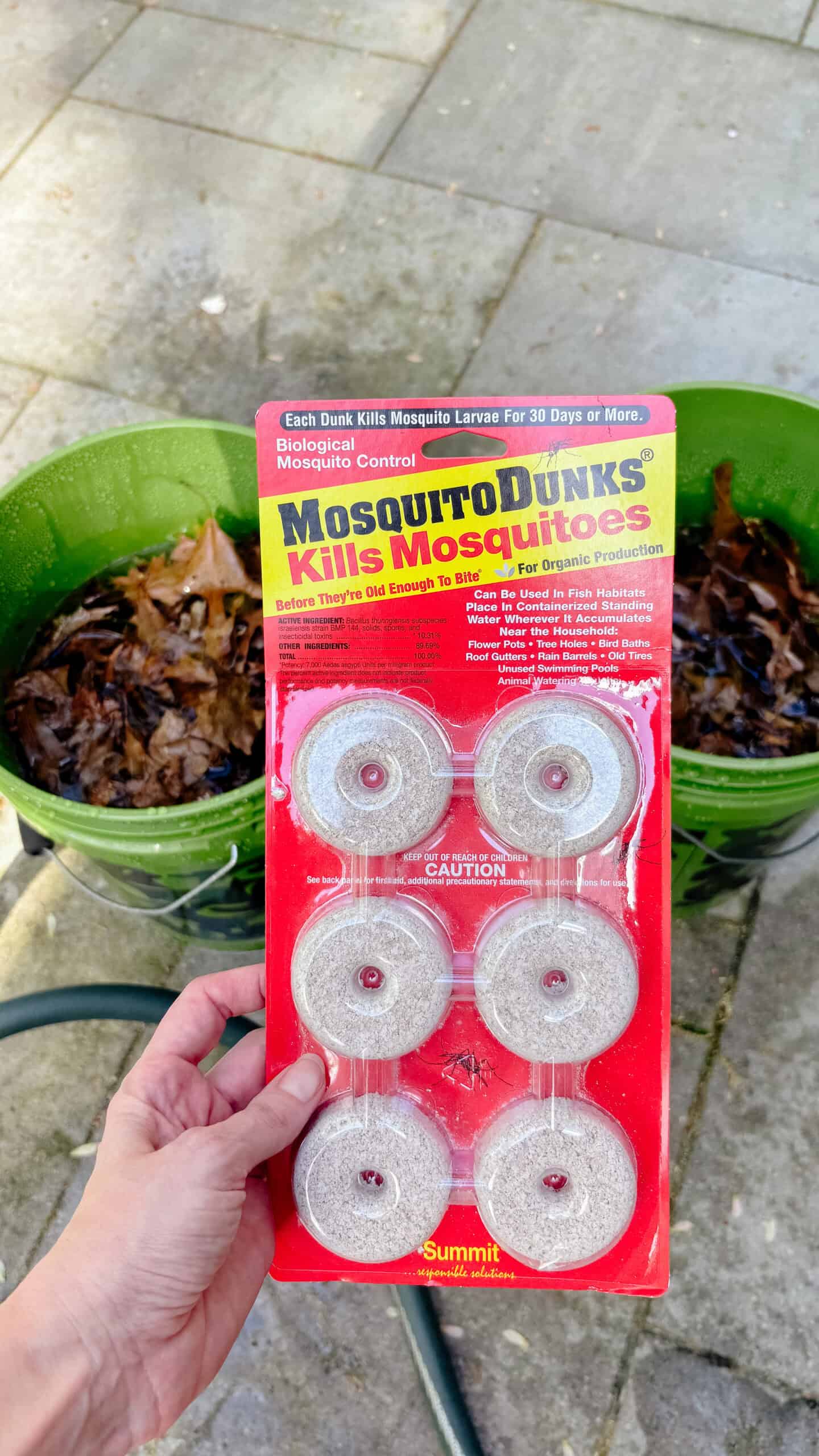
Products like mosquito dunks (often made with naturally occurring bacteria) target mosquito larvae without harming beneficial insects, pets, or wildlife. I set them up in buckets like these (shown below)- be sure to add a rescue stick if you use a bucket, so small animals that may fall in can get out. I also use the smaller bits to sprinkle into our French drain since the larger dunks won’t fit.
How To Get Rid Of Backyard Mosquitoes
Step 1: Eliminate Standing Water
This is the most important step in mosquito control. Since mosquitoes laying eggs rely on water, removing these sources can drastically reduce their population.
Start by:
- Emptying containers like buckets, toys, and planters regularly
- Cleaning and unclogging gutters
- Changing water in bird baths every few days
- Fixing drainage issues in your yard
Even small amounts of standing water can support mosquito larvae, so consistency here is key.
Step 2: Treat Breeding Areas
For areas where water can’t be eliminated, like ponds or decorative features, treatment is essential.
Use natural larvicides to prevent mosquito larvae from maturing. These treatments are a safe and effective way to interrupt the mosquito life cycle without introducing harsh chemicals into your backyard.
Also, be sure to maintain pools and ponds properly. Circulating water with a pump or fountain can discourage mosquitoes from laying eggs.
Step 3: Use Repellents and Barriers
Once you’ve addressed breeding areas, it’s time to focus on keeping mosquitoes away from living spaces.
- Apply natural sprays to vegetation and shaded areas. We use this one when we know we’ll be outside a lot.
- Use outdoor fans to create airflow
- Set up mosquito traps in problem areas
These methods help create a barrier that makes your backyard less inviting to mosquitoes while supporting overall pest control efforts.
Step 4: Maintain Your Yard
Ongoing yard maintenance plays a big role in long-term mosquito control.
Trim bushes, mow the lawn regularly, and remove excess debris where moisture can collect. The goal is to reduce shaded, damp areas where mosquitoes like to rest.
Improving sunlight exposure and airflow can make your yard less hospitable to mosquitoes overall. Our yard is pretty wooded, and we’ve found that even removing a few branches to allow more sunlight has helped.
Step 5: Monitor and Repeat
Mosquito control isn’t a one-time task. It requires regular upkeep.
Make it a habit to:
- Check weekly for new sources of standing water
- Reapply natural treatments as needed
- Monitor high-risk areas after rainfall
By staying consistent, you can prevent mosquitoes from returning and maintain a more comfortable outdoor space.
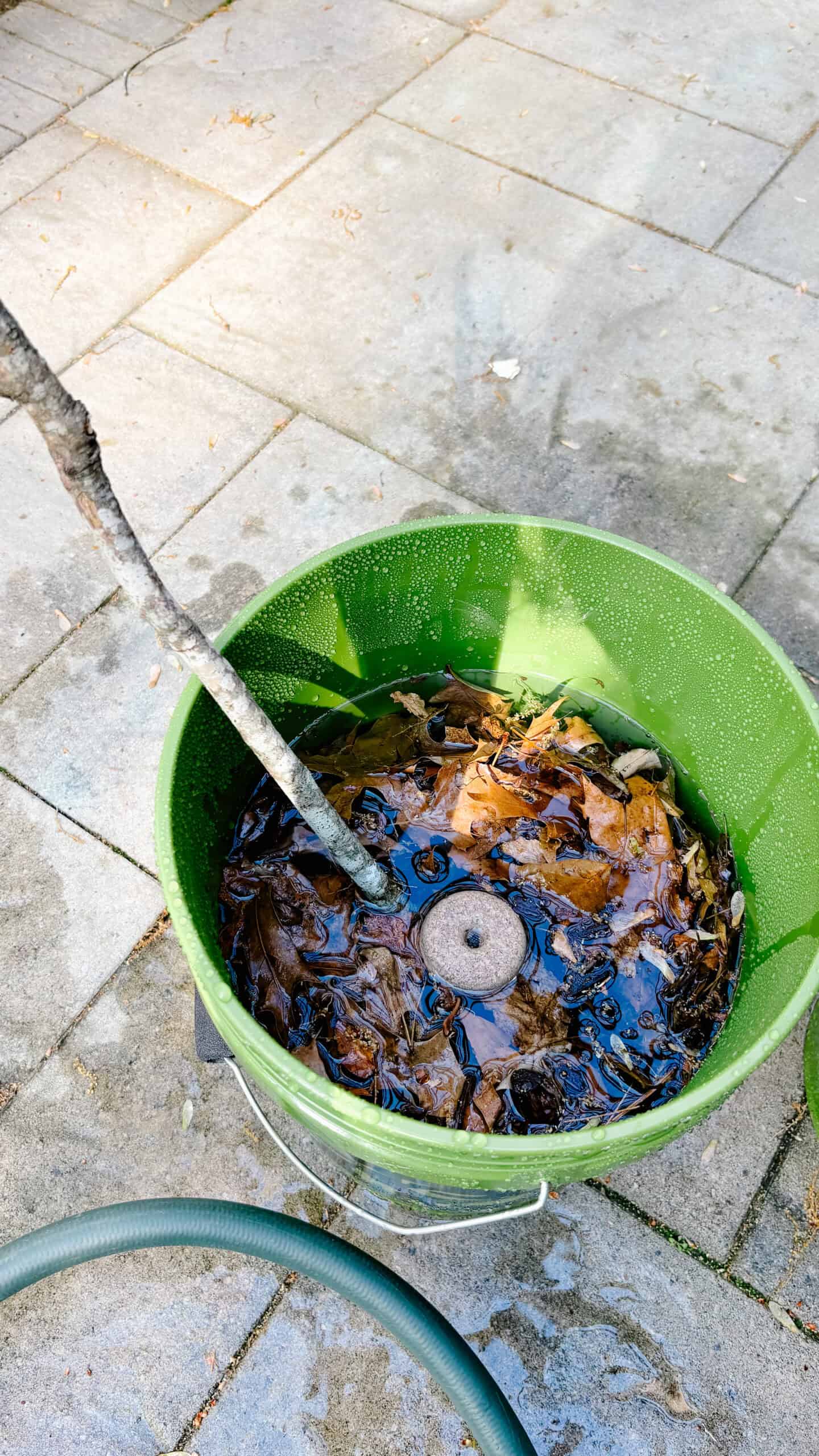
The prepared bucket of doom shown above has a rescue stick so small creatures can climb out.
Enjoy your mosquito-free space!
Learning how to get rid of mosquitoes in your backyard naturally is all about taking a well-rounded approach. From eliminating standing water to using safe repellents and maintaining your yard, each step plays an important role in reducing mosquito populations.
Because mosquitoes reproduce so quickly, even small steps can make a big difference when done consistently. By focusing on prevention and using non-toxic pest control methods, you can create a backyard that feels comfortable and much more bite-free.
With the right steps, your outdoor space can go back to being a place where you actually want to spend time, without the constant annoyance of buzzing and biting.