Is Green Pan Non-Toxic?

If you’ve spent any time researching non-toxic cookware, you’ve probably come across GreenPan. It’s everywhere. As more people become aware of the potential concerns surrounding traditional nonstick cookware, many families are looking for safer alternatives that won’t introduce unwanted chemicals into their kitchens.
Traditional cookware coatings can break down over time, especially when exposed to high heat. Some older nonstick pans were made using chemicals that raised health and environmental concerns, causing many consumers to seek out toxin free alternatives. Investing in non-toxic cooking pots and pans can be one way to create a healthier kitchen and reduce your exposure to potentially harmful substances.
GreenPan has become incredibly popular because it claims to offer the convenience of traditional non-stick cookware without some of the chemicals commonly associated with older nonstick coatings.
But is GreenPan actually non-toxic?
In this guide, I’ll take a closer look at the materials GreenPan uses, where it’s made, whether it’s truly free of PFAS, and whether it’s worth the investment. If you’re considering purchasing a GreenPan cookware set or simply want to learn more about ceramic cookware, this comprehensive guide will help you make an informed decision.
Is Green Pan Non-Toxic?
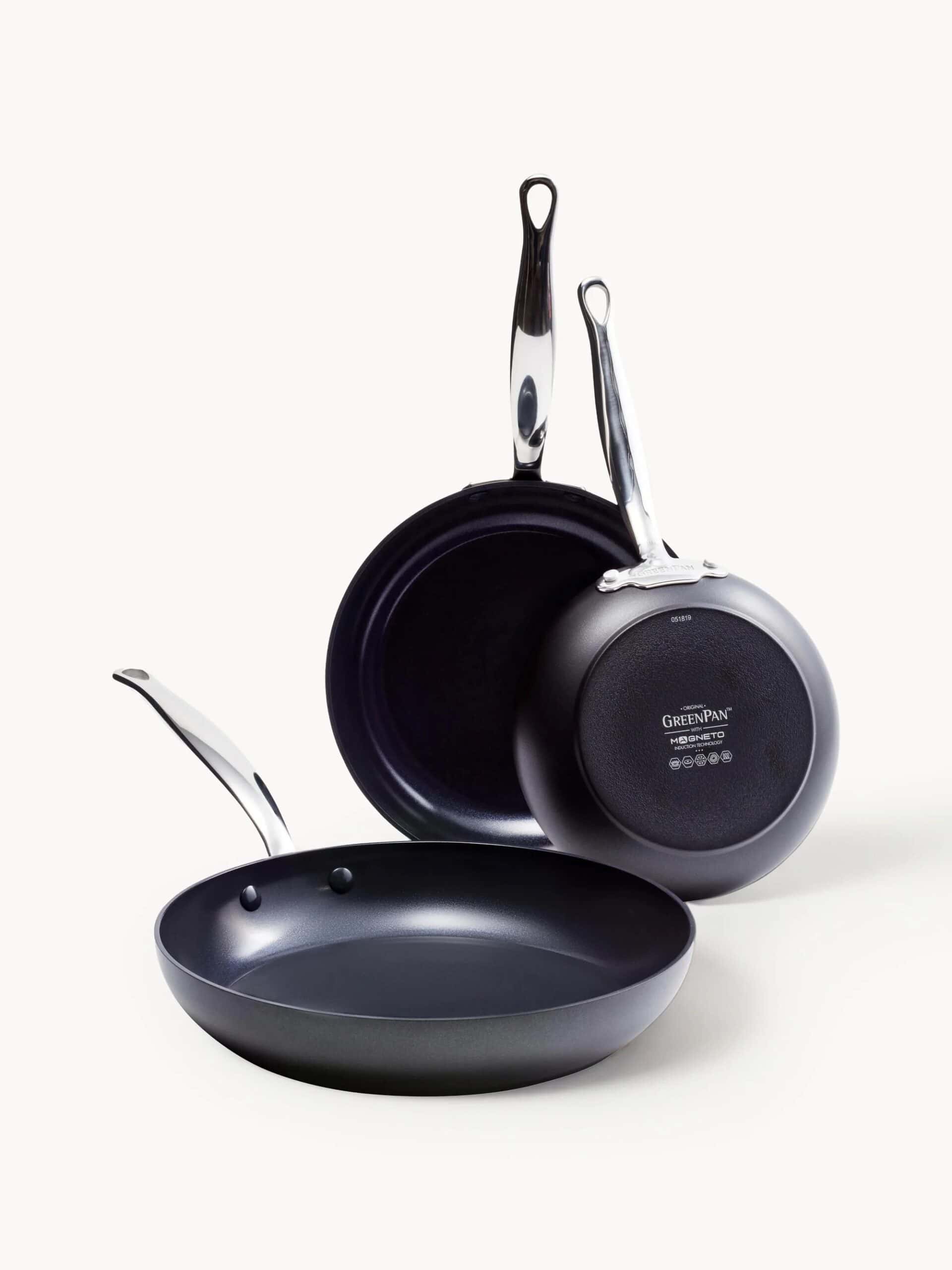
GreenPan is generally considered one of the safer nonstick cookware options currently available. While I personally prefer stainless steel, cast iron, and other options, this is a good pick for those who really want to stick to non-stick cookware (see what I did there?). The company uses a ceramic nonstick coating instead of traditional PTFE-based coatings found in many traditional nonstick pans.
Throughout this guide, we’ll examine exactly what GreenPan is made of, how its ceramic coating compares to traditional nonstick cookware, whether it’s free of PFAS, PFOA, lead, and cadmium, and whether it deserves a place in a healthy kitchen.
While no cookware is perfect, GreenPan offers several advantages for consumers looking to avoid some of the chemicals commonly associated with toxic cookware.
What Is A Green Pan?
GreenPan is a cookware brand that specializes in ceramic-coated cookware. Founded in Belgium in 2007, the company was one of the first major brands to introduce ceramic nonstick cookware to the mainstream market.
Unlike traditional nonstick pans that use PTFE coatings, GreenPan uses its proprietary Thermolon ceramic nonstick coating. The company markets this coating as being free of PFAS, PFOA, lead and cadmium.
GreenPan products are designed to provide the easy food release and convenient cleanup people expect from nonstick cookware while minimizing concerns associated with older nonstick technologies.
Today, GreenPan offers a wide range of cookware products including:
- Frying pans
- Saucepans
- Stock pots
- Cookware sets
- Bakeware
- Electric appliances
- Specialty cookware
The brand has become especially popular among consumers seeking healthier alternatives to traditional non stick cookware.
Where Is GreenPan Cookware Made?
GreenPan is headquartered in Belgium, but most GreenPan cookware is manufactured in China.
The company states that it maintains strict quality control standards and oversees production at its manufacturing facilities. While some consumers prefer cookware made in the United States, Europe, or other regions, GreenPan’s manufacturing processes are designed to meet the company’s safety and quality requirements.
It’s worth noting that many major cookware brands manufacture their products internationally, including brands that market themselves as premium cookware options.
GreenPan products sold in North America are distributed through GreenPan’s parent company, The Cookware Company USA LLC.
Is GreenPan Non-Toxic?
For me personally, there are better non-toxic options. However, I know some people want quick and easy to use. Overall, I would consider GreenPan one of the safer nonstick cookware options available today.
Here’s why:
- GreenPan is free of PFAS according to the company’s claims.
- The coating is PFOA free.
- The cookware is marketed as free of lead and cadmium.
- The ceramic nonstick coating does not use PTFE.
- The brand has invested heavily in developing alternatives to traditional nonstick coatings.
That said, it’s important to understand that GreenPan is not completely inert cookware.
While ceramic nonstick coating is generally considered safer than traditional nonstick surfaces, the coating can wear down over time. Once the coating becomes scratched or damaged, performance may decline.
For this reason, many experts still consider materials such as stainless steel, cast iron, and glass to be the gold standard for long-term durability and non-toxic cooking.
However, for consumers who want the convenience of nonstick cookware, GreenPan represents a significant improvement over many traditional nonstick options.
What Is Green Pan Made Of?
The exact construction varies by collection, but GreenPan cookware is typically made from the following materials:
- Aluminum body
- Ceramic nonstick coating (Thermolon)
- Stainless steel handles on many collections
- Stainless steel induction bases on select models
- Tempered glass lids on some cookware pieces
GreenPan states that its Thermolon coating is:
- Free of PFAS
- PFOA free
- Free of lead and cadmium
- Manufactured without PFAS chemicals
- Designed to withstand higher temperatures than some traditional nonstick coatings
Many premium collections also incorporate stainless steel components for improved durability and heat distribution.

Is Green Pan Worth It?
Whether GreenPan is worth it depends on your priorities.
If you’re looking for a safer alternative to traditional nonstick cookware, GreenPan may be a good choice for you.
Pros:
- Free of PFAS
- PFOA free
- Easy food release
- Dishwasher safe on many models
- Wide variety of collections
- Readily available
- Generally affordable compared to premium ceramic cookware
Cons:
- Nonstick performance may decline over time
- Ceramic coatings eventually wear out
- Not as durable as stainless steel cookware
- Requires proper care to maximize lifespan
- May need replacement sooner than stainless steel options
- I’m still unsure of overall safety after the coating has worn or chipped
Personally, I view GreenPan as a good middle-ground option. It offers convenience and easy cleanup while avoiding many of the concerns associated with traditional nonstick coatings.
However, if maximum longevity is your goal, I would still recommend investing in high-quality stainless steel cookware.
Which GreenPan Is The Best?
GreenPan offers numerous collections, but some stand out more than others.
GreenPan Valencia Pro
The Valencia Pro line is often considered GreenPan’s flagship collection.
Features include:
- Hard-anodized aluminum construction
- Thermolon ceramic nonstick coating
- Magneto induction technology
- Stainless steel base
- Dishwasher safe design
This collection is an excellent choice for those seeking durability and versatility.
GreenPan Reserve Collection
The Reserve collection combines performance with attractive aesthetics.
Features include:
- Reinforced ceramic nonstick coating
- Gold-tone stainless steel handles
- Heavy-duty aluminum body
- Oven-safe construction
Many consumers choose this collection because it offers premium styling alongside GreenPan’s signature ceramic technology.
GreenPan GP5 Collection
The GP5 collection is designed for enhanced durability.
Features include:
- Advanced ceramic nonstick coating
- Thick aluminum construction
- Professional-level performance
- Enhanced scratch resistance
This collection may appeal to serious home cooks who use their cookware frequently.
GreenPan Venice Pro
The Venice Pro collection incorporates stainless steel construction.
Features include:
- Tri-ply stainless steel body
- Ceramic nonstick coating
- Induction compatibility
- Excellent heat distribution
For consumers who want some of the benefits of stainless steel with nonstick convenience, Venice Pro is worth considering.
Environmental Impact Of GreenPan
One reason many consumers are attracted to GreenPan is its focus on reducing environmental impact.
Traditional nonstick cookware has historically been associated with concerns surrounding PFAS chemicals and manufacturing processes. GreenPan claims its ceramic coating technology helps reduce these concerns by eliminating PFAS from the coating itself.
While every manufacturing process has an environmental footprint, GreenPan positions its products as a more environmentally conscious alternative to traditional nonstick cookware.
GreenPan Class Action Lawsuit
If you’ve researched GreenPan online, you may have come across discussions regarding a class action lawsuit.
Like many popular consumer brands, GreenPan has faced legal scrutiny over certain marketing claims. Consumers should understand that the existence of a class action lawsuit does not necessarily indicate a product is unsafe.
The legal claims involved disputes regarding advertising language, especially the use of “completely toxin-free.” However, the lawsuit was ultimately dismissed. I’ll also note that there was no finding of wrongdoing on their part.
As with any cookware purchase, it’s wise to evaluate current information, product specifications, and your own cooking needs before making a decision.
Where To Buy Green Pan Cookware
GreenPan cookware is widely available both online and in stores.
You can purchase GreenPan from:
Frequently Asked Questions
Can GreenPan Go In The Oven?
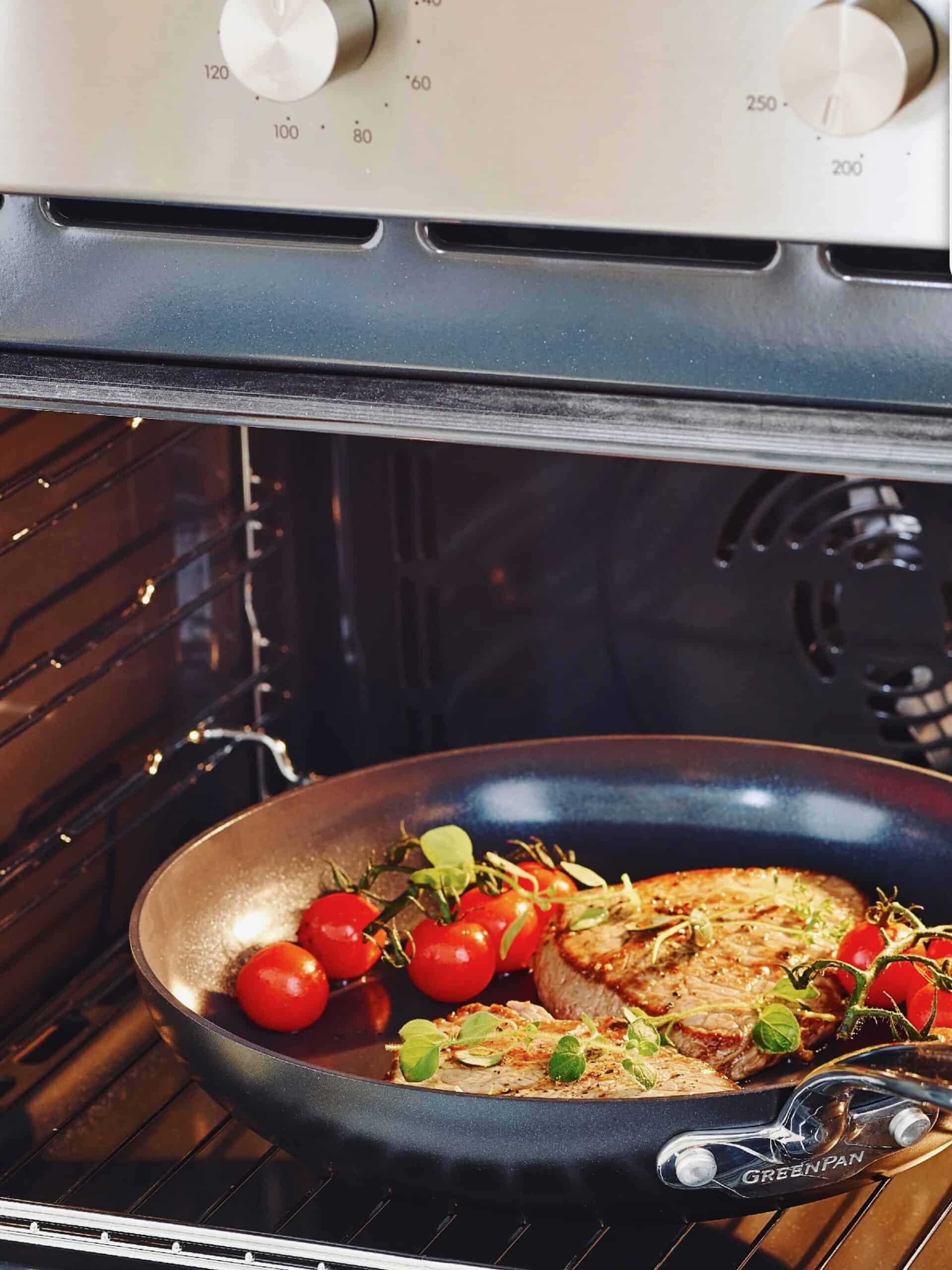
Many GreenPan collections are oven safe, but temperature limits vary by product line.
Some models can withstand temperatures up to 600°F, while others have lower limits due to handle materials or lid construction.
Always check the manufacturer’s specifications before placing cookware in the oven.
Is GreenPan Dishwasher Safe?
Many GreenPan products are labeled dishwasher safe.
However, hand washing is generally recommended if you want to extend the life of the ceramic nonstick coating. Gentle hand washing can help preserve performance and reduce wear over time.
Does GreenPan Have Teflon?
No.
GreenPan does not use Teflon-style PTFE coatings in its cookware. Instead, it uses a ceramic nonstick coating called Thermolon.
This is one of the primary differences between GreenPan and traditional nonstick cookware.
Does GreenPan Have PFAS?
According to GreenPan, its cookware is free of PFAS.
The company specifically markets its Thermolon coating as free of PFAS, including PFOA and related chemicals often associated with older nonstick cookware technologies.
Is GreenPan Better Than Traditional Nonstick?
For consumers concerned about chemical exposure, GreenPan is generally considered a better option than traditional nonstick cookware.
Its ceramic coating is marketed as being free of PFAS and PFOA, while many older traditional nonstick products relied on fluorinated chemicals.
That said, all nonstick coatings eventually wear down, so proper care remains important.
Final Thoughts: Is Green Pan Non-Toxic?
So, is Green Pan non-toxic?
Overall, GreenPan appears to be one of the safer nonstick cookware options currently available. The brand’s ceramic nonstick coating is marketed as free of PFAS, lead, cadmium, and PFOA, making it an appealing choice for consumers looking to avoid some of the concerns associated with traditional non-stick cookware.
While I still prefer high-quality stainless steel cookware for everyday cooking, GreenPan can be useful, especially for foods that benefit from a nonstick surface or if you’re nervous about only cooking on stainless steel, etc..
If you’re working on creating a healthier kitchen, be sure to also check out my guide to non toxic cutting boards and my comparison post on is hexclad non toxic to help create a safer cooking environment from countertop to cookware.
*Affiliate links used. All thoughts and opinions are my own.