
What Order To Apply Skincare
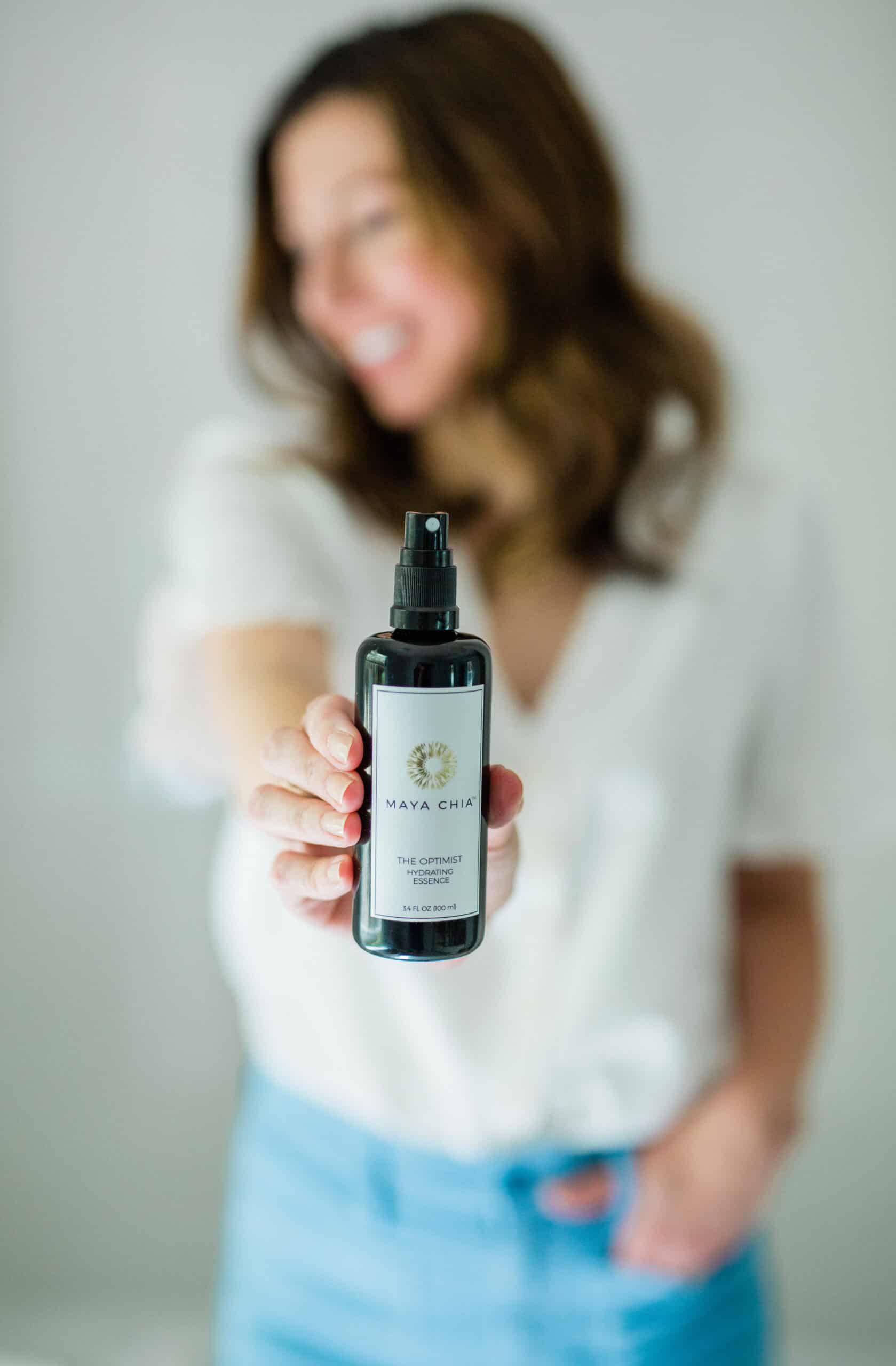
A simple question, but one I get a lot, is: what order do I apply my products? Since I just shared How To Build A Skincare Routine, I thought this would be the perfect time to talk about this! A consistent skincare routine is one of the best investments you can make for your skin. Whether your goal is maintaining healthy skin, reducing signs of aging, managing oily skin, or keeping dry skin comfortable and hydrated, the products you choose matter, and so does the order in which you use them.
Many people spend time researching the best skincare products yet overlook one important detail: knowing what order to apply skincare products. The sequence of your routine can make a significant difference in how effective each product actually is. Incorrect product layering can prevent key ingredients from absorbing properly, leaving your favorite serums, moisturizers, and treatments unable to perform as well as they should. And not always feeling great on your skin, tbh.
Fortunately, this is an easy fix! Below, you’ll find a complete guide on how to apply skincare products in order so every step works together to support healthy, glowing skin.
What Order To Apply Skincare Products
Say it with me: Lightest to Heaviest. That’s the general rule of thumb we’re working with. Of course, that doesn’t answer every question, and some products might throw you for a loop- “Is this face serum lighter than my toner?”, etc. BUT we’ll cover all of that.
Each layer has a specific purpose. Lightweight formulas are designed to penetrate your skin quickly, while thicker products help lock everything in. Following a structured routine supports how the skin naturally processes each layer instead of relying on products alone to deliver results.
Although every skincare routine can be customized based on your skin type and concerns, the general layering principles remain the same for nearly everyone.
Psst: If you’re looking for help creating an entire routine from scratch, be sure to check out my guide: A Natural Skincare Routine For Every Budget, where I share simple routines for different budgets and skin goals.
Is There A Correct Order To Apply Skincare Products
Yes. There is a correct order to apply skincare products, and it’s based on how the skin absorbs different textures and active ingredients.
As a general rule, skincare should be applied from the lightest consistency to the heaviest. Water-based products absorb most easily when applied first, while richer creams and facial oils are designed to sit on the surface and seal moisture into the skin.
Following a structured layering method helps maximize absorption while minimizing irritation. It also ensures active ingredients have the best opportunity to penetrate your skin before heavier products create a protective barrier.
Of course, every skin type is unique. Someone with oily skin may prefer lighter moisturizers, while someone with dry skin may finish with richer creams. Sensitive skin may also require fewer active ingredients or slower introduction of new products. The overall order, however, remains largely the same.
Why Skincare Routine Order Matters
Improves Absorption Of Active Ingredients
Many ingredients, including hyaluronic acid, vitamin C, peptides, niacinamide, and salicylic acid, perform best when applied directly after cleansing.
If thicker creams are applied first, these active ingredients may struggle to penetrate your skin effectively. Allowing lighter products to absorb first helps maximize their benefits while supporting healthier-looking skin over time.
Prevents Heavier Products From Blocking Lighter Ones
Think of your skincare routine like getting dressed. You wouldn’t put your coat on before your shirt.
Heavy moisturizers, facial oils, and night cream create a protective barrier that helps prevent moisture loss. While this is beneficial later in your routine, applying them too early can block lighter serums from reaching the skin.
Starting with lightweight formulas allows each product to do its job before sealing everything in.
Reduces Risk Of Irritation From Improper Layering
Some active ingredients can increase sensitivity when combined incorrectly.
Applying exfoliating acids, retinoids, or multiple treatment products without understanding how they interact may increase redness, dryness, or irritation, especially for sensitive skin.
Using products in the proper order and introducing new ingredients gradually helps maintain your skin barrier while reducing unnecessary discomfort.
Helps Products Work More Effectively Together
Many skincare products are formulated to complement one another.
Hydrating products containing hyaluronic acid help prepare the skin for moisturizers. Moisturizers then help reduce water loss while supporting the skin barrier.
Using compatible products in the proper sequence allows each layer to build upon the previous one, creating a routine that’s more effective than relying on individual products alone.
Maximizes Results From Your Skincare Routine
Whether your goals include reducing fine lines, improving hydration, managing excess oil, preventing breakouts, or addressing anti-aging concerns, applying products correctly helps maximize your overall results.
The best skincare routine isn’t necessarily the one with the most products, it’s the one that’s consistent and thoughtfully layered.
How To Apply Skincare In Order
Step 1: Cleanser
Every skincare routine should begin with a gentle cleanser.
Cleansing removes dirt, makeup, excess oil, sweat, sunscreen, and environmental pollutants that accumulate throughout the day or overnight. Starting with clean skin creates the ideal surface for the products that follow.
Choose a cleanser suited to your skin type. Cream cleansers often work well for dry skin, while gel cleansers may be preferred by those with oily skin.
Avoid cleansers that leave your skin feeling overly tight or stripped, as this may damage the skin barrier over time.
Step 2: Exfoliant (When Needed)
Exfoliation isn’t necessary every day, but it can help improve skin texture, brighten dullness, and encourage healthy cell turnover.
Chemical exfoliants often provide more even results than physical scrubs. Ingredients like salicylic acid are especially helpful for oily skin and blemish-prone skin, while lactic acid may be better tolerated by dry or sensitive skin.
Most people only need to exfoliate one to three times per week depending on their skin type and the strength of the product.
Step 3: Toner Or Essence
Not everyone uses a toner, but they can provide hydration while preparing the skin for the next steps.
Hydrating toners often contain soothing ingredients that replenish moisture after cleansing, helping the skin better absorb serums.
Avoid alcohol-heavy formulas that may contribute to dryness or irritation.
Step 4: Treatment Serums
Now for the heavy hitters. Serums contain concentrated active ingredients designed to target specific skin concerns.
Morning routines often include antioxidant serums like vitamin C, while evening routines may have retinol, peptides, or other anti-aging ingredients.
Hydrating serums containing hyaluronic acid can benefit nearly every skin type by helping the skin attract and retain moisture.
I’m an advocate of not applying too many things, but if you are using multiple serums, the same concept applies. Use the lighter (often the water-based, more hydrating ones) first and then apply the thicker, more moisturizing serums. Allow each serum to absorb for a minute before moving to the next step.
Step 5: Spot Treatment
If you’re treating occasional blemishes, this is typically the best time to apply a spot treatment.
Applying it directly onto clean skin after lightweight serums helps ensure the active ingredients reach the affected area.
Be careful not to overuse acne treatments, especially if they contain salicylic acid or benzoyl peroxide, as excessive application may lead to dryness.
Step 6: Eye Cream
The delicate skin around the eyes is thinner than the rest of the face and often benefits from products specifically formulated for this area.
An eye cream may help improve hydration while addressing concerns like puffiness, dark circles, or fine lines.
Use your ring finger to gently pat the product around the orbital bone without rubbing.
Step 7: Moisturizer
Moisturizer is one of the most important steps in any skincare routine.
It helps strengthen the skin barrier, seals in hydration, and reduces moisture loss throughout the day or night.
People with oily skin often benefit from lightweight gel moisturizers, while those with dry skin may prefer richer creams that provide longer-lasting nourishment.
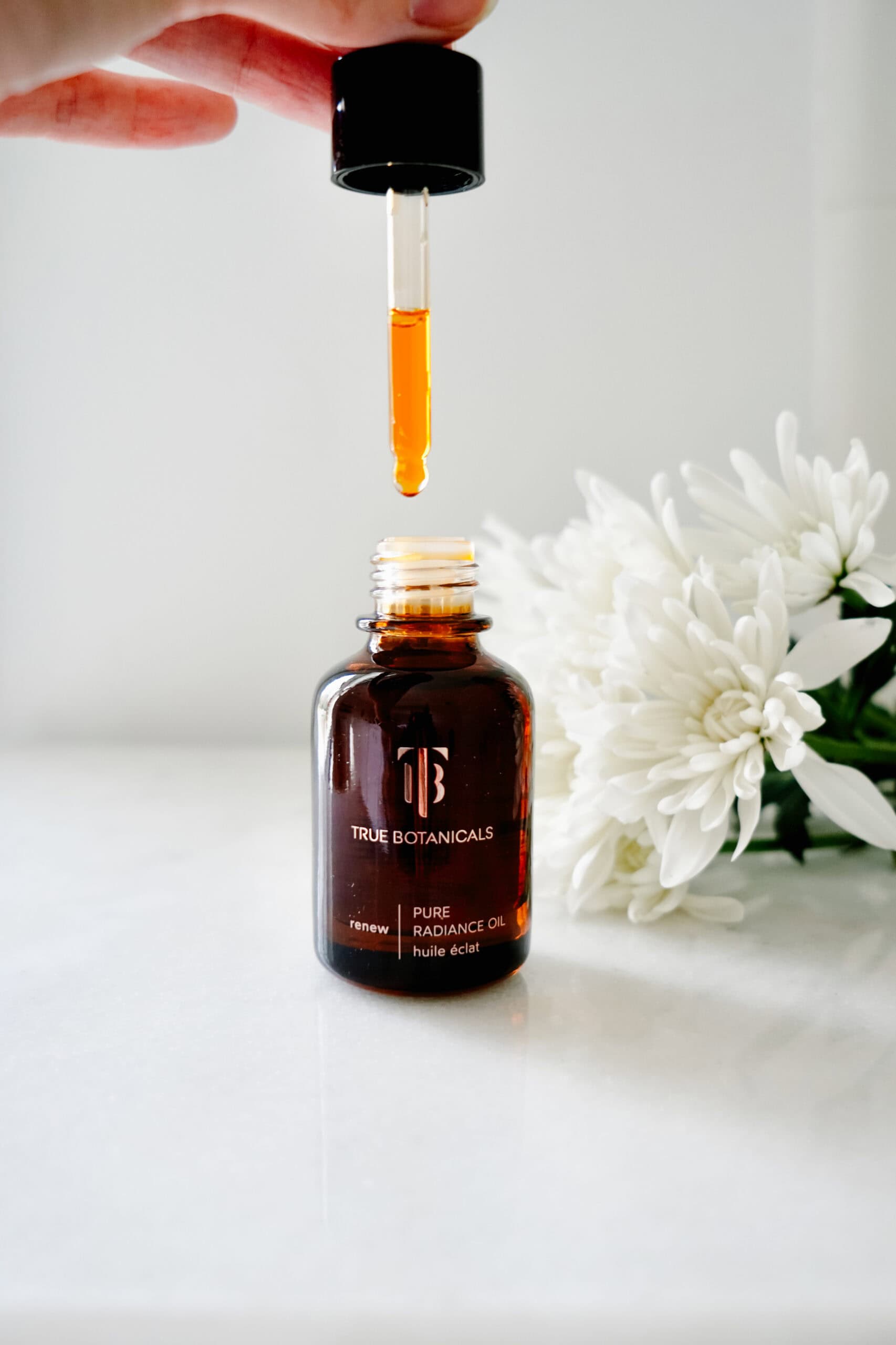
Step 8: Facial Oil (Optional)
Facial oils are optional but can provide additional nourishment and help reduce moisture loss.
Because oils are occlusive, they should generally be applied after moisturizer rather than before.
Those with very dry skin often benefit most from this extra layer, while oily skin may choose to skip it depending on personal preference. I have combo skin and the only time I usually top off with an oil is in the middle of winter when my skin is at its driest.
Step 9: Applying Sunscreen (Morning Only)
The final step in every morning skincare routine should always be applying sunscreen.
Daily sun protection is one of the most effective ways to help prevent premature signs of aging, uneven skin tones, fine lines, hyperpigmentation, and sun damage.
Use a broad-spectrum sunscreen with at least SPF 30 every morning, even on cloudy days or when spending most of your time indoors near windows.
Reapply throughout the day if you’re outdoors for extended periods.
Common Skincare Layering Mistakes
Even with high-quality skincare products, a few simple mistakes can reduce their effectiveness.
Some of the most common include:
- Applying products too quickly without allowing them to absorb.
- Using too many active ingredients in a single routine.
- Skipping moisturizer because your skin feels oily.
- Forgetting sunscreen during the daytime.
- Over-exfoliating and weakening the skin barrier.
- Applying facial oils before lightweight serums.
- Using products that aren’t appropriate for your skin type.
Keeping your routine simple often produces better long-term results than layering numerous treatments all at once.
Should Morning And Evening Skincare Routines Be Different?
Yes. While the overall order remains similar, the products you use often change between morning and evening.
In the morning, focus on protection and hydration with ingredients like antioxidants, moisturizer, and sunscreen.
In the evening, your skincare routine can prioritize repair using products that address concerns like signs of aging, uneven texture, acne, or pigmentation. This is often the best time to use stronger active ingredients because they won’t be exposed to sunlight.
Putting Together Your Routine:
Knowing what order to apply skincare is key. Once you understand the purpose behind each step, creating a routine that supports healthy skin becomes much easier.
Remember that consistency is far more important than owning dozens of products. Start with the basics, choose skincare products that fit your skin type, and apply them in the proper order, from the lightest formulas to the richest creams.
Whether your goals include improving hydration, reducing excess oil, minimizing fine lines, preventing breakouts, or supporting anti-aging efforts, following the correct skincare routine order helps each product perform at its best. Over time, that consistency can make a noticeable difference in your skin’s overall health and appearance.

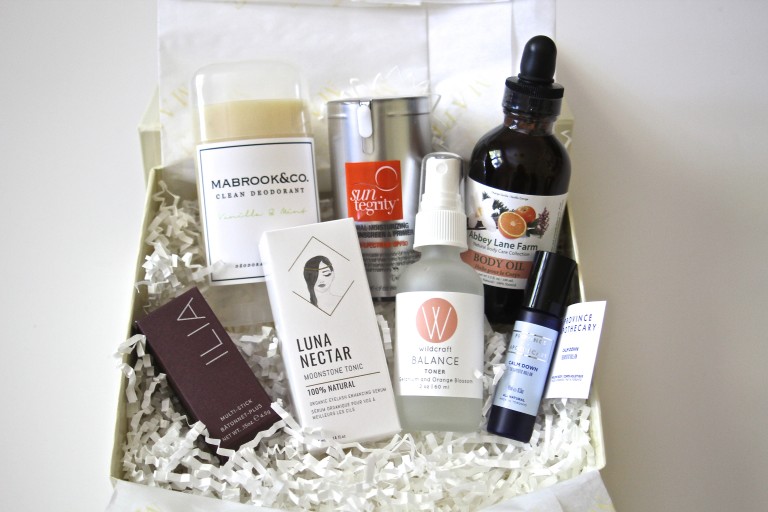
I love how you explained the “why” behind each step instead of just listing them. I shop a lot of clean beauty through Beauty Heroes, so this is a great reminder that application order matters just as much as the products themselves.
Beauty Heroes has so many great product lines! So happy this post was a good reminder about how and why applying skincare in the right order makes all the difference. Thanks for reading!