What Is The Healthiest Way To Fragrance Your Home?
The power of smell: it can seriously make the most beautiful home give a terrible first impression. On the flip side, there is something so inviting about walking into a home that smells fresh, clean, and great smelling. Especially when it truly smells fresh and clean and not like a chemical cocktail of ocean breeze.
Of course, artificial fragrances and air fresheners are a-plenty and people still use them with abandon. From scented candles and plug-in air fresheners to room spray and fragranced cleaning products, there are countless ways to cover up whatever bad smells may be in your home. But as understanding of indoor air quality continues to grow, there is also increasing concern about the potential health effects of synthetic air fresheners and chemical fragrances.
So, what is the healthiest way to fragrance your home?
Today, I’m sharing a roundup of some of the healthiest ways to make your home smell good without relying on harsh chemicals or heavily fragranced products. These ideas focus first on removing odors and improving indoor air, followed by using natural and thoughtful ways to introduce fresh, clean scents into your home.
What Is The Healthiest Way To Fragrance Your Home?
The healthiest way to fragrance your home is to get to the source of odors instead of simply covering them up. Improving ventilation, keeping your home clean, filtering the air, and removing sources of unwanted smells can help your home smell fresh without adding unnecessary fragrance to the air.
While many commercial air fresheners and scented products are effective at masking odors, they can contain synthetic fragrances, phthalates, and volatile organic compounds (VOCs). Exposure to some VOCs and other fragrance ingredients has been associated with respiratory irritation, headaches, and allergic or sensitivity symptoms in some people.
What Causes Odors In Your Home?
Before reaching for an air freshener, it can help to figure out where an unwanted smell is coming from. Common sources of household odors include:
- Kitchen smells: Cooking foods, grease, garbage disposals, and lingering food odors can all affect how your home smells.
- Bathroom odors: Humidity, towels, drains, and toilets can contribute to unpleasant smells.
- Pets: Pet bedding, litter boxes, accidents, and food bowls can all create odors.
- Garbage and recycling: Food scraps and containers can quickly become sources of strong smells.
- Moisture and mold: Damp areas, wet fabrics, and excess humidity can contribute to musty odors and should be addressed at the source.
- Carpets and fabrics: Upholstery, rugs, curtains, and other textiles can trap odors from pets, cooking, smoke, and everyday life.
Sometimes finding the cause makes all the difference and your air smells better right away.
Is Home Fragrance Safe?
Not all home fragrance is created equal when it comes to health. Some fragranced products contain ingredients that may be irritating or potentially harmful to human health and the environment, particularly with frequent or prolonged exposure.
One of the biggest challenges is that the word “fragrance” can represent a complex mixture of ingredients. On a product label, you may not always be able to determine every individual chemical used to create a particular scent.
Ingredients and chemical groups that may be found in conventional home fragrance products include:
- Synthetic fragrances
- Phthalates
- VOCs
- Formaldehyde-releasing ingredients
- Solvents
- Petroleum-derived fragrance ingredients
It’s also important to remember that “natural” does not automatically mean harmless. Some essential oils, concentrated botanical extracts, and other natural fragrances can cause irritation or sensitivities for some people and can be problematic for certain pets. If you have children, pets, asthma, allergies, or fragrance sensitivities, use extra caution with anything you add to your indoor air.
How To Make Your Home Smell Good Without Chemicals
Natural Ventilation and Airflow
One of the simplest ways to make your home smell fresh is also one of the most overlooked: bring in fresh air.
Open windows regularly when weather and outdoor air quality allow. Even a few minutes of cross-ventilation can help replace stale indoor air with fresh outdoor air.
Use exhaust fans when cooking and showering to remove moisture, cooking odors, and other airborne pollutants.
Regular Cleaning and Odor Removal
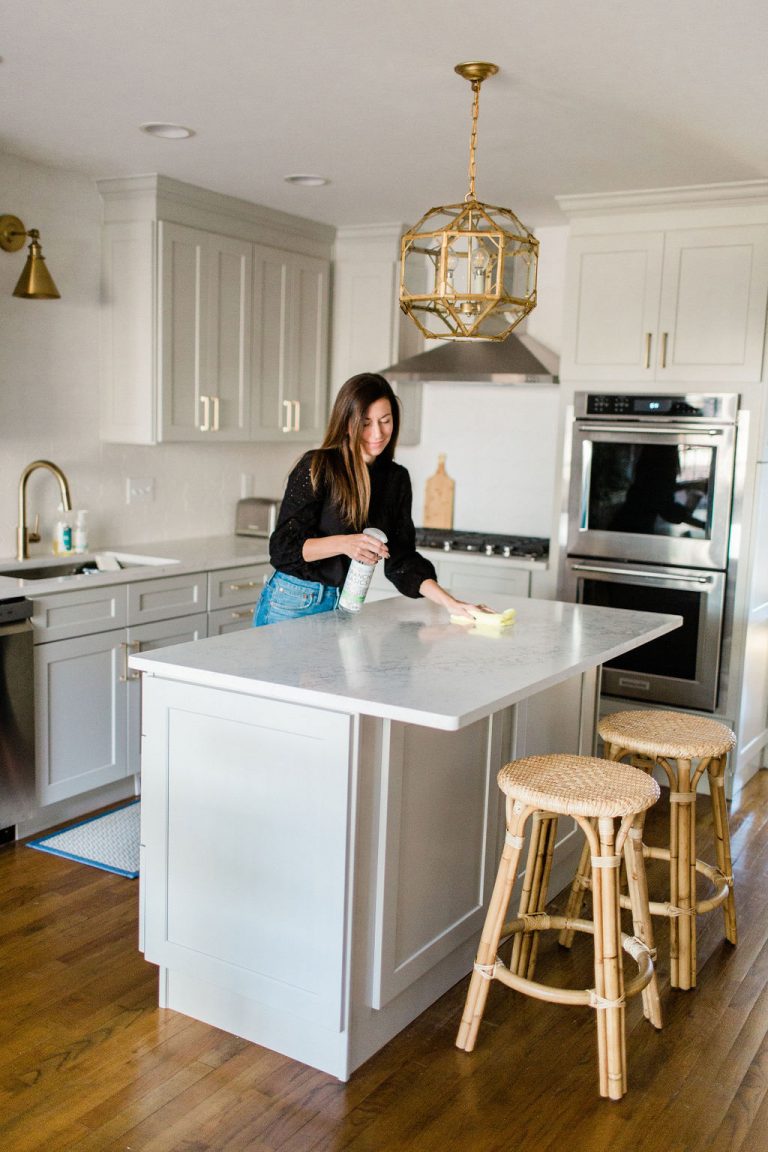
A clean home does not necessarily need to smell strongly fragranced. Regular cleaning can go a long way toward keeping your space smelling fresh naturally.
Vacuum carpets and upholstery frequently, especially if you have pets. Wash curtains, blankets, rugs, and other washable fabrics periodically because textiles can absorb and hold onto odors.
Don’t forget about your trash cans and recycling bins. Wash them regularly and allow them to dry completely before replacing the liners.
Pet bedding, blankets, food bowls, litter boxes, and litter areas should also be cleaned regularly.
If you’re looking for more ideas, my guide to a natural odor eliminator for home has additional options for dealing with unwanted smells without relying on conventional air fresheners.
Baking Soda for Deodorizing
Baking soda is one of my favorite simple ingredients for absorbing and neutralizing household odors.
For carpets and rugs, sprinkle a light layer of baking soda over the surface, allow it to sit for a an hour (or even overnight), and then vacuum thoroughly. You can also use baking soda on some upholstered surfaces, although it is always a good idea to check the manufacturer’s care instructions first.
Another simple option is to leave an open bowl of baking soda in a problem area, such as near a trash can or inside a refrigerator.
Baking soda is not a fragrance, but that is exactly the point. It helps remove unwanted smells instead of simply covering them with another scent.
Use an Air Purifier and Quality Air Filters
If your goal is to improve indoor air quality, filtration can be more useful than adding fragrance.
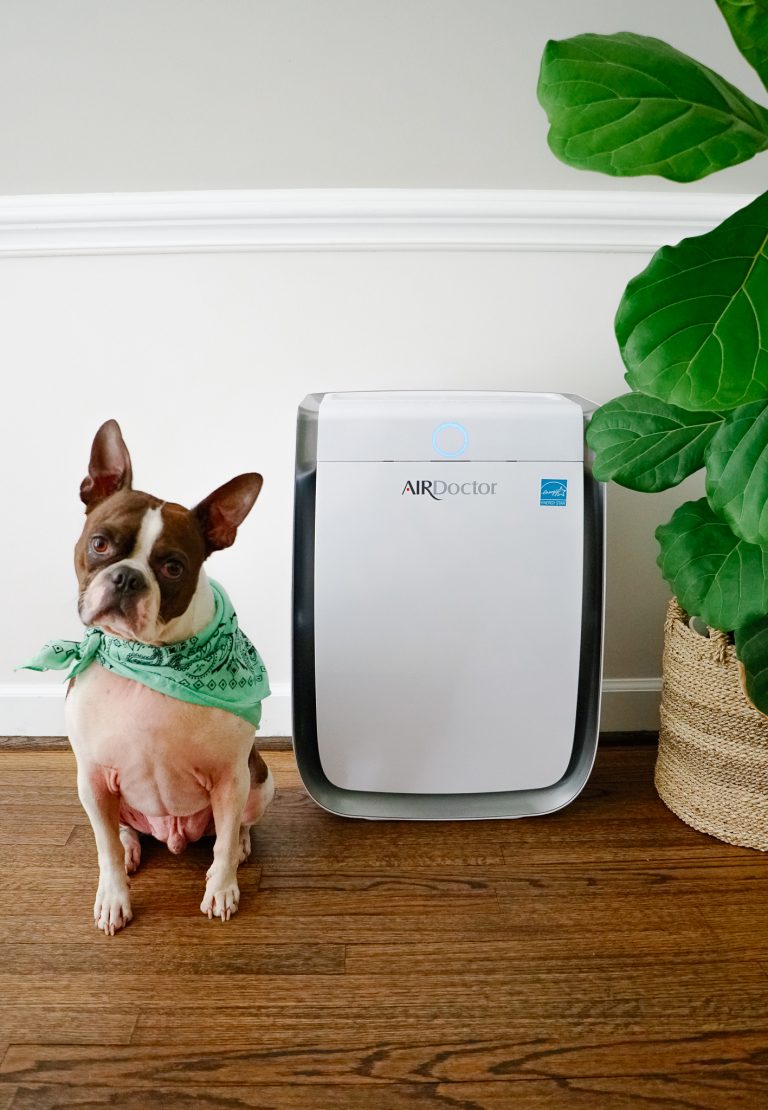
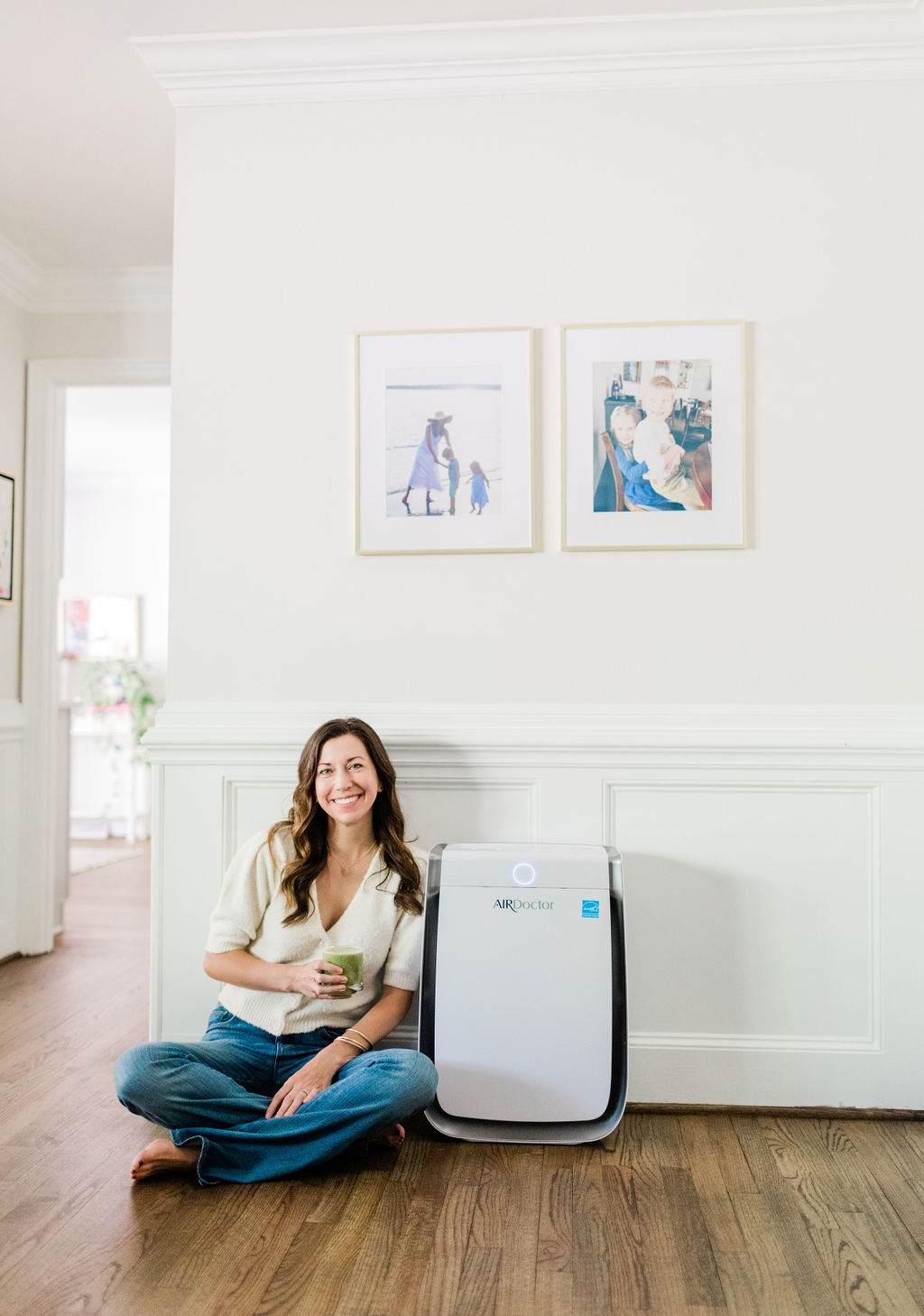
A quality air purifier can help filter certain airborne particles and pollutants, which makes air smell fresher. We love our air purifier and have found it to be a big help! Read my review here.
Natural Home Fragrance Methods
Once you’ve addressed the sources of unwanted odors and improved your indoor air, you can add fragrance if you enjoy it. Here are some of my favorite natural home fragrance methods.
Essential Oil Diffusers
Essential oil diffusers are a great way to scent your home using concentrated plant extracts rather than conventional synthetic fragrances.
Depending on the diffuser, you typically add water and a few drops of essential oils before turning it on. I recommend getting a high quality essential oil and make sure it’s not mixed with “fragrance oils”. Some more popular scents are citrus, lavender, eucalyptus, and peppermint.
If you have pets, research the specific essential oil you’re considering before diffusing it.
Simmer Pot Scents
A simmer pot is another way to naturally scent your home without using synthetic fragrances.
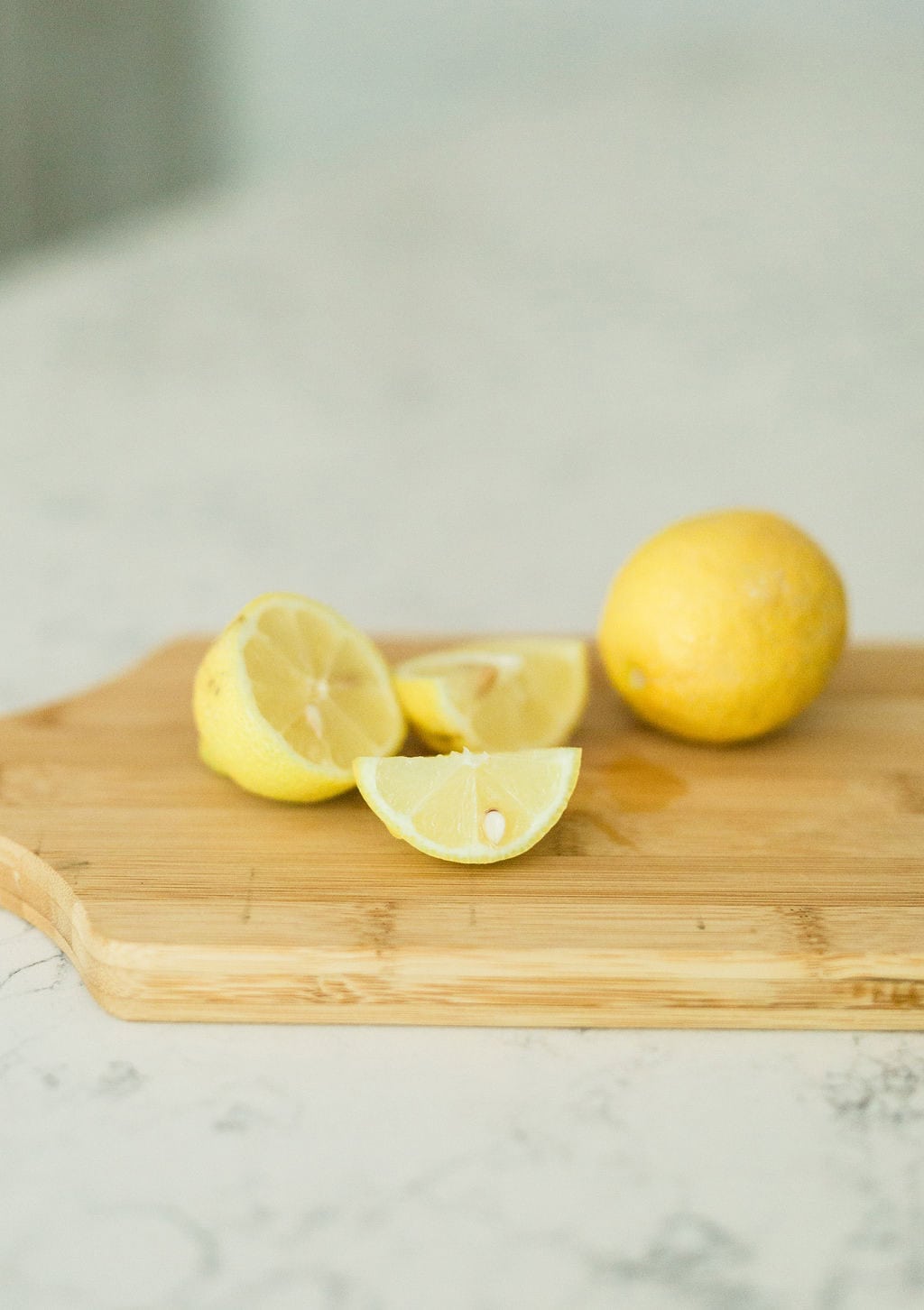
Simply add ingredients such as sliced oranges, lemon peels, cinnamon sticks, cloves, rosemary, or other herbs to a pot of water. Bring to a boil, then reduce the heat and allow the mixture to gently simmer.
You can experiment with different combinations depending on the season. Sliced oranges and cinnamon sticks are wonderful for fall and winter, while citrus and fresh herbs can feel bright and fresh during warmer months.
Never leave a simmer pot unattended, and make sure there is plenty of water in the pot while it is on the stove.
Herb Sachets and Dried Botanicals
Dried herbs and botanicals can provide a subtle, natural scent without adding fragrance directly to the air. I find this works better in smaller spaces like closets or cabinets
Try filling small fabric sachets with dried lavender, rosemary, rose petals, or other aromatic herbs. Place them in closets, drawers, linen cabinets, or other small spaces where you want a gentle scent.
Houseplants That Improve Air Quality
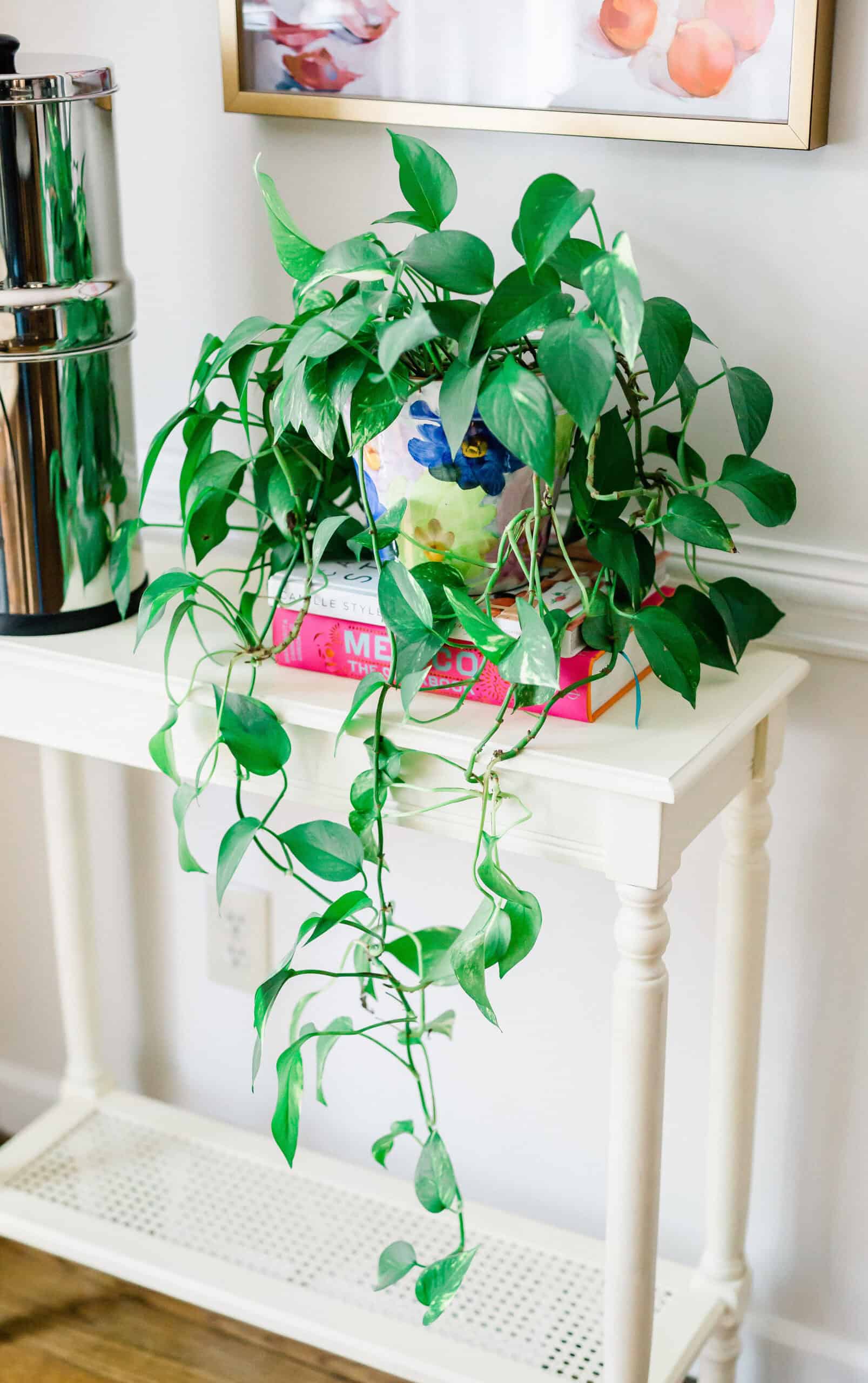
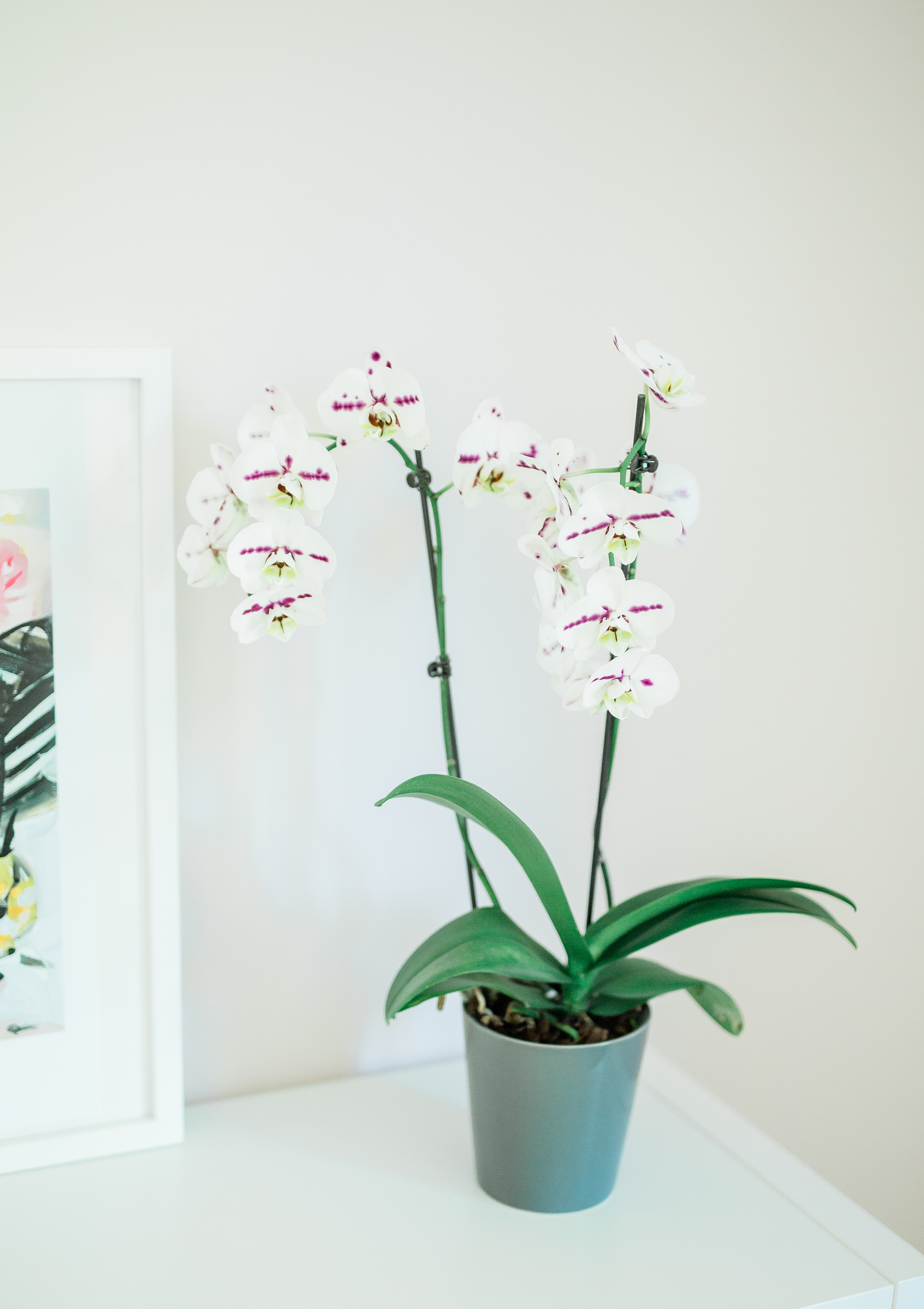
Houseplants can make your home feel fresh and inviting while adding natural beauty to your space. Some popular houseplants are also commonly associated with improving indoor air quality, although it’s probably not the most impactful thing from this list.
Activated Charcoal Bags
Activated charcoal is another option when your primary goal is odor control rather than adding fragrance. And these really work!
Activated charcoal can adsorb certain odor-causing compounds, making charcoal bags useful in areas such as closets, bathrooms, mudrooms, shoes, or other enclosed spaces where odors tend to linger.
Other Ways To Scent Your Home Naturally
There are plenty of other simple ways to enjoy natural scents around your home. Try placing fresh herbs in the kitchen, using naturally scented flowers as a centerpiece, or adding a few drops of essential oils to appropriate homemade cleaning solutions.
If you want to make a simple room spray, you can combine distilled water with an appropriate amount of essential oil in a clean spray bottle. Shake well before each use and avoid spraying directly onto delicate furniture, fabrics, pets, or surfaces that could be damaged.
What Is The Best Natural Way To Make Your Home Smell Good?
Ultimately, the healthiest approach to home fragrance is to think about air quality first and fragrance second.
Start by identifying sources of odors and removing them. Open your windows when you can, use kitchen and bathroom exhaust fans, clean problem areas regularly, use baking soda or activated charcoal for odor control, and consider air purifiers and quality air filters to support better indoor air.
You don’t need scented candles, plug-ins, or conventional air fresheners to have a great smelling home. Truly clean, fresh air will always smell best!
*Some affiliate links used. All thoughts and opinions are always my own.