
How To Find The Most Effective Shower Filters
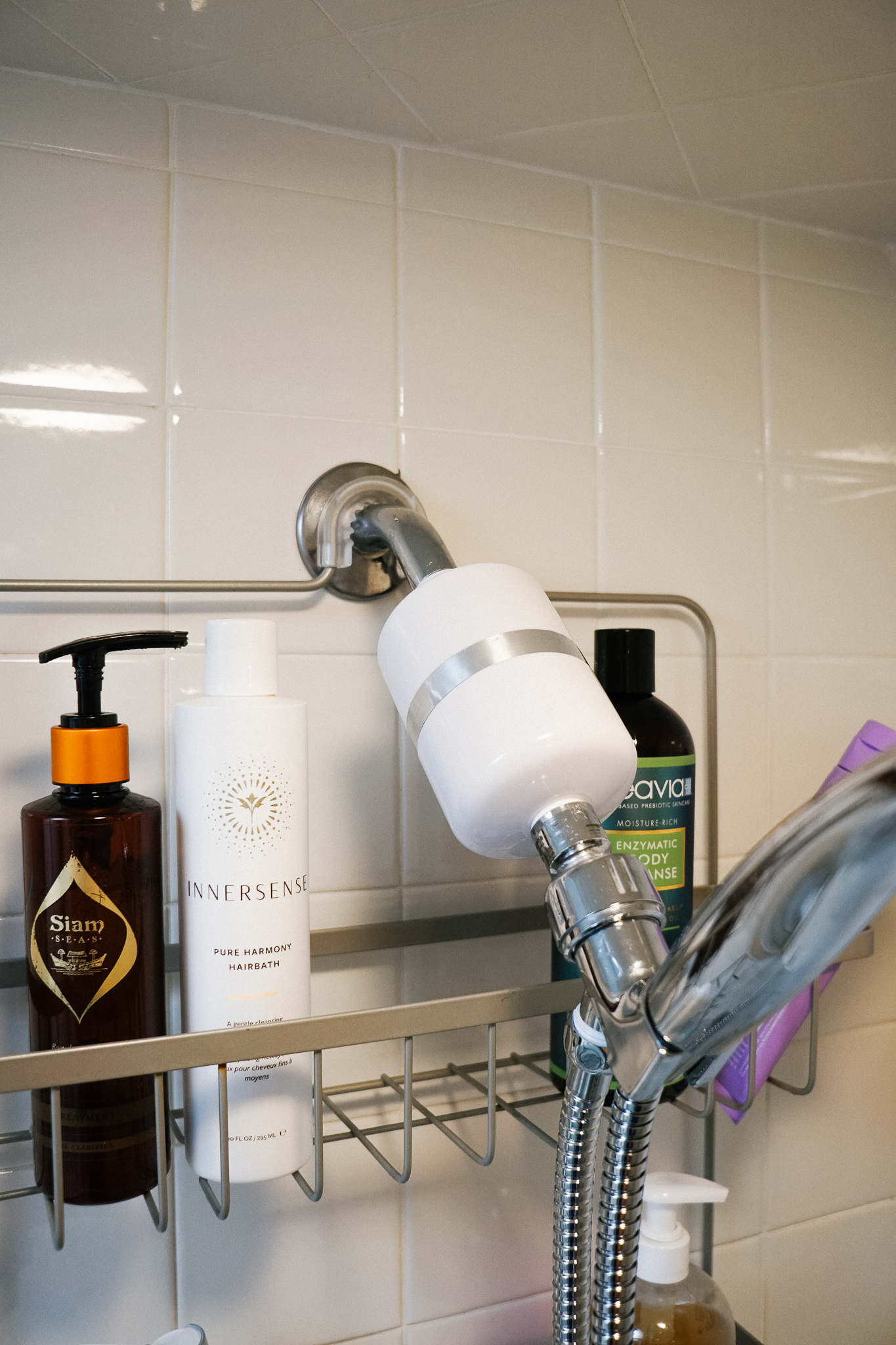
Why Filter Your Shower Water?
You can check to see what’s in your local tap water here.
The Most Effective Shower Filters
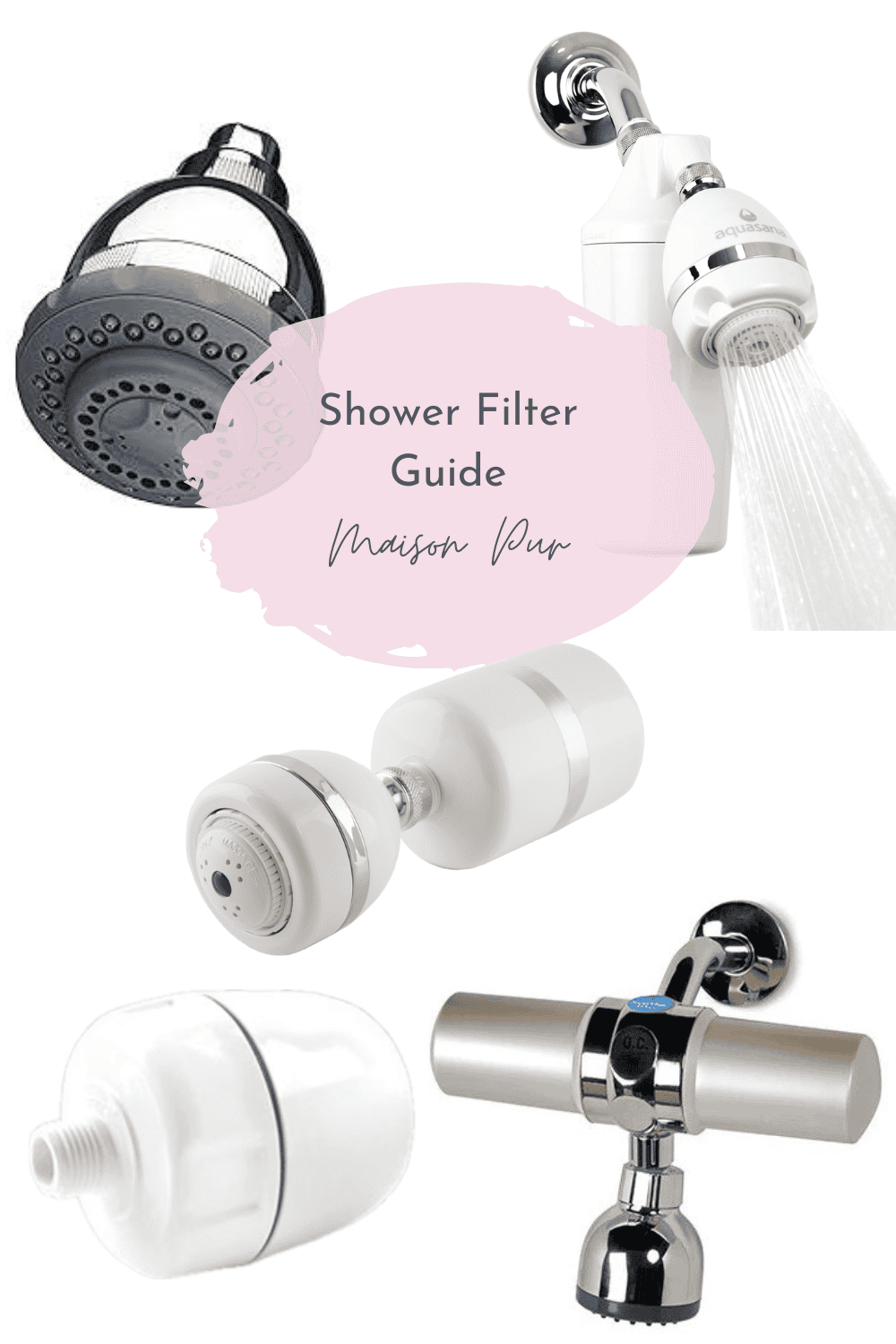
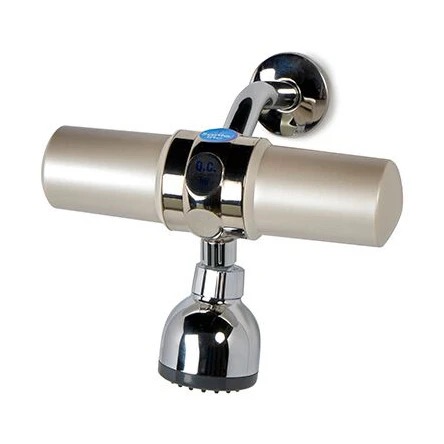
- Removes up to 99.99% of chlorine (according to their site)
- Removes heavy metals, vocs, chloramines, and lowers the fluoride approximately in half
- Also removes odors, organic waste, trihalomethanes, bacteria, and common carcinogens (and THMs) such as carbon tetrachloride, chloroform, benzene and vinylidene chloride.
- Long lasting- Replace filter parts yearly
- One of the most expensive options ($160 + up)
- You have to use their shower head
- Very large
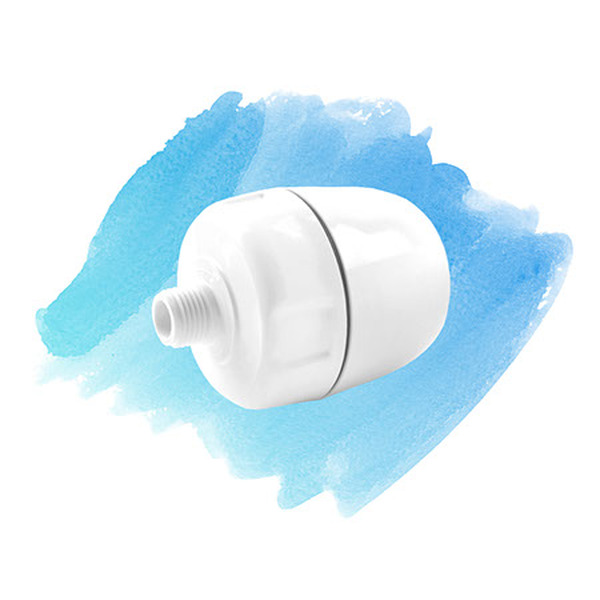
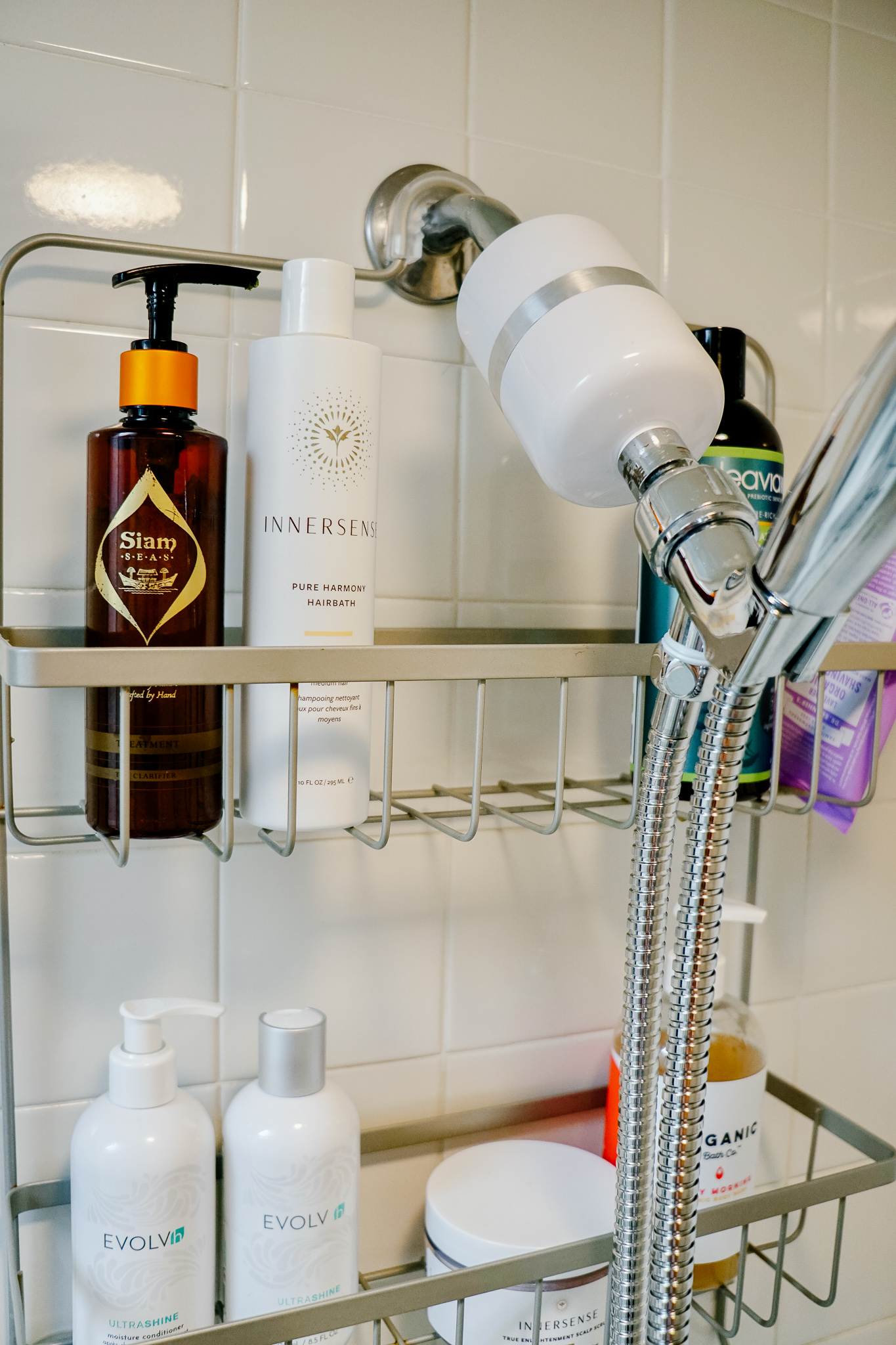
- Removes ~90% of chlorine
- Lasts 15,000 to 20,000 or close to a year
- The specs aren’t listed on the site, but as it uses KDF, I imagine it filters out similar substances as Berkey
- You can use your own shower head
- Affordable- $45.25 for the full unit and just $29.50 for the replacement cartridge
- Doesn’t remove Chloramines or THMs
New Recommendations (2025 Update!)
Culligan WSH-C125 Wall-Mounted Filtered Showerhead
This budget-friendly option from a well-known brand is widely available and offers decent filtration.
Pros:
- Removes chlorine and sulfur odor
- Built-in showerhead filter, so installation is simple
- Affordable (~$30–$40)
- Certified by the National Sanitation Foundation (NSF)
Cons:
- Shorter lifespan (around 10,000 gallons or 6 months)
- Limited contaminant removal (mostly chlorine and odor)
Buy the Culligan WSH-C125 here.
Aquasana AQ-4100 Deluxe Shower Water Filter System
Aquasana’s system includes a coconut shell activated carbon filter and a copper/zinc blend (KDF).
Pros:
- Removes chlorine, lead, VOCs, and other harsh chemicals
- Easy to install
- Strong water pressure
- Compatible with most shower arms
Cons:
- Slightly bulky design
- Replacement filters cost around $50 and need changing every 6 months
Buy the Aquasana AQ-4100 here.
How Long Do Shower Filters Last?
Shower filter longevity varies depending on the filter media, the water quality in your area, and the size of your household.
Here are some general estimates:
- KDF Filters – 6 to 12 months (15,000 to 20,000 gallons)
- Activated Carbon Filters – 3 to 6 months (8,000 to 12,000 gallons)
- Vitamin C Filters – 1 to 3 months
- Multi-Stage Filters – 6 to 9 months
Keep in mind: if your water has poor quality or high levels of chlorine and sediment, you may need to replace your water filter more frequently. Always check the manufacturer’s recommendations and monitor for drops in water pressure or changes in odor as signs that it’s time to replace.
Frequently Asked Questions About Shower Filters
Do shower filters really remove chlorine?
Yes, high-quality shower head filters that use KDF media or activated carbon filters are very effective at removing chlorine from water. Chlorine is commonly added to municipal water supplies for disinfection, but exposure can lead to dry skin and hair, irritation, and even respiratory issues when inhaled as vapor in a hot shower.
How do I know when to change my shower filter?
Most manufacturers recommend replacing your shower water filter every 6 to 12 months, depending on the type of filter and your water quality. Signs it’s time to change your filter include a noticeable drop in water pressure, changes in water odor, or dullness in your skin and hair. Check your filter’s gallon rating or time-based guideline and mark your calendar.
What is the best shower filter for removing both chlorine and chloramines?
Look for filtered showerheads or inline shower filters that combine KDF, calcium sulfite, and activated carbon filter stages. One of the most effective options is the Santé Ultimate Dual KDF, which removes up to 99.99% of chlorine and also targets chloramines, heavy metals, VOCs, and other contaminants.
Can a shower filter improve hair and skin?
Absolutely. By removing harsh chemicals like chlorine and reducing heavy metals, a shower filter helps your skin and hair retain more moisture and natural oils. Many users report softer hair, fewer skin flare-ups, and less itchiness after installing a water filter for their shower.
Will a shower filter reduce water pressure?
A high-quality shower filter should maintain good flow rates while still filtering effectively. Some cheaper models or older cartridges can cause a drop in water pressure, especially if the filter media becomes clogged. Choosing a model designed with strong flow and replacing filters on schedule can help maintain optimal performance.
Are shower filters certified?
Some brands are certified by the National Sanitation Foundation (NSF) for their ability to reduce chlorine and other contaminants. Look for this certification if third-party verification is important to you. The ProOne ProMax and Culligan WSH-C125 are two examples of NSF-certified options.
What’s the difference between a handheld showerhead and an inline shower filter?
A handheld showerhead with a built-in filter offers flexibility and ease of use, especially for bathing kids or pets. An inline shower filter attaches between your existing shower arm and showerhead, so you can keep your preferred fixture while still improving water quality. Both are effective if they use high-performance filtration media.
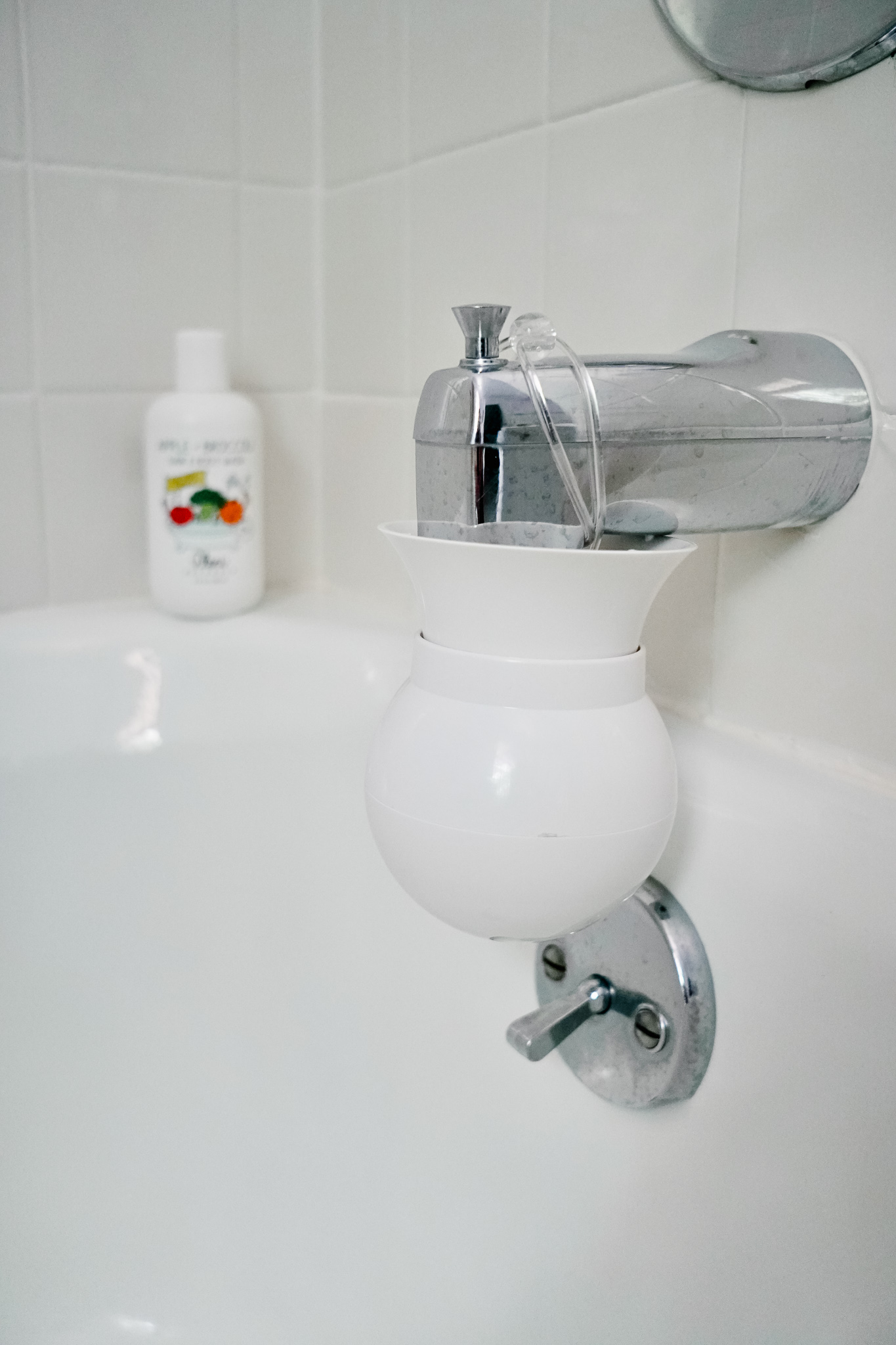
For The Bath…
In Conclusion




Hi there! Thanks for the article- it was helpful! I am wondering where you purchased the flow extender? Thanks!
Hi Jennifer! The flow extender should come with the bath ball I linked. It came with mine and from all the pictures I see in the reviews, it seems like it came with everyone else’s too. Though you can ask the seller before you purchase if you want to confirm they’re still included. Thanks so much for reading! Molly
The Sante actually can be used with any standard shower head 🙂
Ahh, that is good to know. Thanks!