Natural Chapstick Alternatives
Lip balm is one of those products many of us reach for all the time. It lives in purses, pockets, cars, and for some people, applying lip balm is a daily (or hourly) habit. ChapStick, in particular, has become one of the most popular lip balm brands, so much so that many people use the word “chapstick” to describe any lip balm at all. Kind of like how they say Kleenex instead of tissue here in the south.
But, there has been growing concern around the safety, ingredient quality, and potential side effects of ChapStick and similar conventional, petroleum-based lip balms. Many people notice that while these products may offer quick relief, they don’t always support long-term lip health and can even seem to make chapped lips worse over time. A lot of my friends noted the weird effect of needing ChapStick all the time after they first started using it.
In this post, I’m sharing a roundup of the most effective natural ChapStick alternatives to help support healthier, more resilient lips.
Natural Chapstick Alternatives
Choosing the right lip care products matters more than most people realize. Unlike the rest of our skin, the lips do not have oil glands, which makes them especially vulnerable to dryness, cracking, and irritation. Also, you end up inadvertantly ingesting whatever product you put on your lips.
Many conventional lip balms, including ChapStick, rely heavily on occlusive ingredients that sit on top of the skin. While these ingredients can reduce moisture loss short-term, they don’t necessarily nourish or repair the lips themselves. Over time, this can create a cycle where lips feel temporarily better but require constant reapplication to stay comfortable.
This is where natural ChapStick alternatives can make a big difference.
What Is Chapstick?
ChapStick is a brand of lip balm that has been around for decades and has become nearly synonymous with lip care. Its primary purpose is to seal in moisture and protect the lips from environmental stressors like cold temperatures, wind, and sun exposure.
Because it’s affordable, widely available, and easy to apply, many people rely on ChapStick daily, sometimes multiple times per day. For occasional use, this may not be an issue. However, frequent use raises questions about whether ChapStick truly supports long-term lip health or simply masks dryness.
What Is Chapstick Made Of?
ChapStick formulas vary slightly depending on the version, but many contain a similar base of ingredients, including:
- Occlusives like petrolatum and paraffin wax, which create a barrier to lock in moisture
- Emollients and stabilizers to improve texture and shelf life
- Flavoring agents and fragrances, which can be irritating for sensitive lips
- Menthol or camphor in medicated versions, which provide a cooling sensation but may increase dryness over time
Ingredients like petrolatum (a petroleum jelly derivative) are very effective at preventing moisture loss. However, they don’t add hydration or nutrients to the lips themselves. Petroleum-based products can also have contamination issues which can potentially add in harmful substances without it being on the label.
Is Chapstick Safe?
From a regulatory standpoint, ChapStick ingredients meet FDA safety standards, meaning they’re considered safe for general use. That said, FDA-approved doesn’t always align with clean beauty or sensitive-skin preferences. I personally don’t feel that petroleum-based products are the best for lips.
Some ingredients used in conventional lip balms are considered safe but not ideal for frequent application, especially on compromised or chapped lips. Fragrance, menthol, and camphor can trigger irritation, while heavy reliance on petroleum jelly may contribute to a dependency cycle where lips feel worse without constant reapplication.
For people with sensitive skin, eczema-prone lips, or chronic dryness, switching to simpler, more nourishing alternatives can be helpful.
Alternatives To Chapstick:
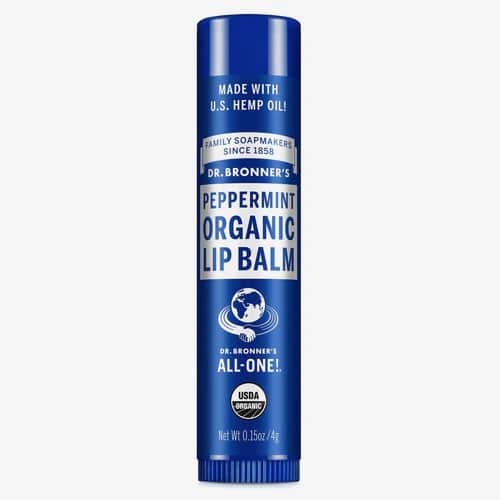
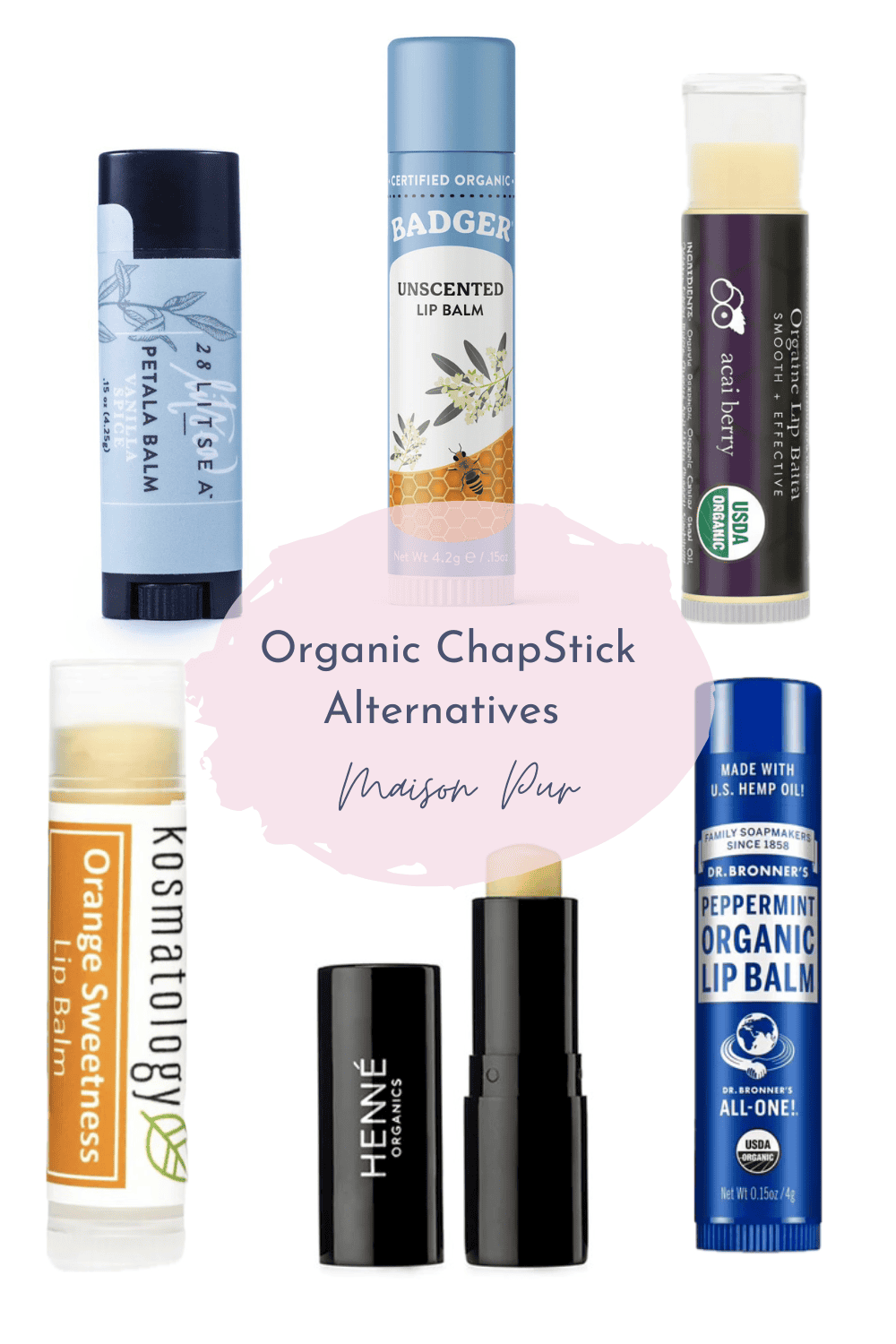
Dr. Bronner’s Organic Lip Balm
Natural oils are the star here. With multiple types of oils and beeswax, this adds in lots of moisture while protecting lips from the elements and moisture loss. This is also one of the easiest natural chapstick alternatives to find at major retailers. You can often find it under $4.
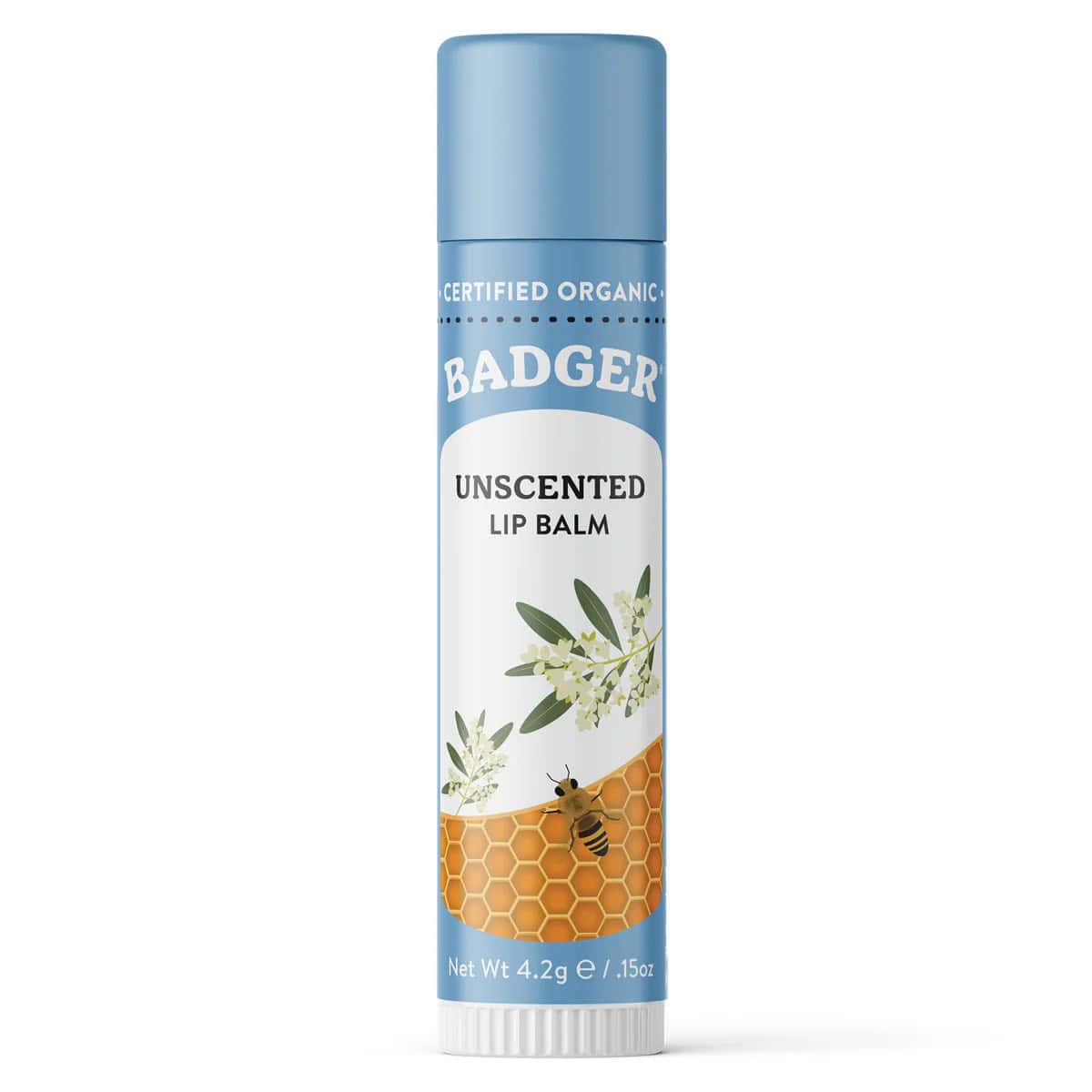
Badger Unscented Lip Balm
Beeswax-based balms are popular because they create a breathable moisture barrier without relying on synthetic petroleum. Beeswax helps seal in hydration while still allowing the skin to function naturally. In addition to beeswax, this also has beneficial natural oils.
For vegan options to replace beeswax, candelilla wax and carnauba wax offer similar protective benefits. These ingredients are commonly found in clean lip balms designed to support long-term lip health rather than temporary relief.
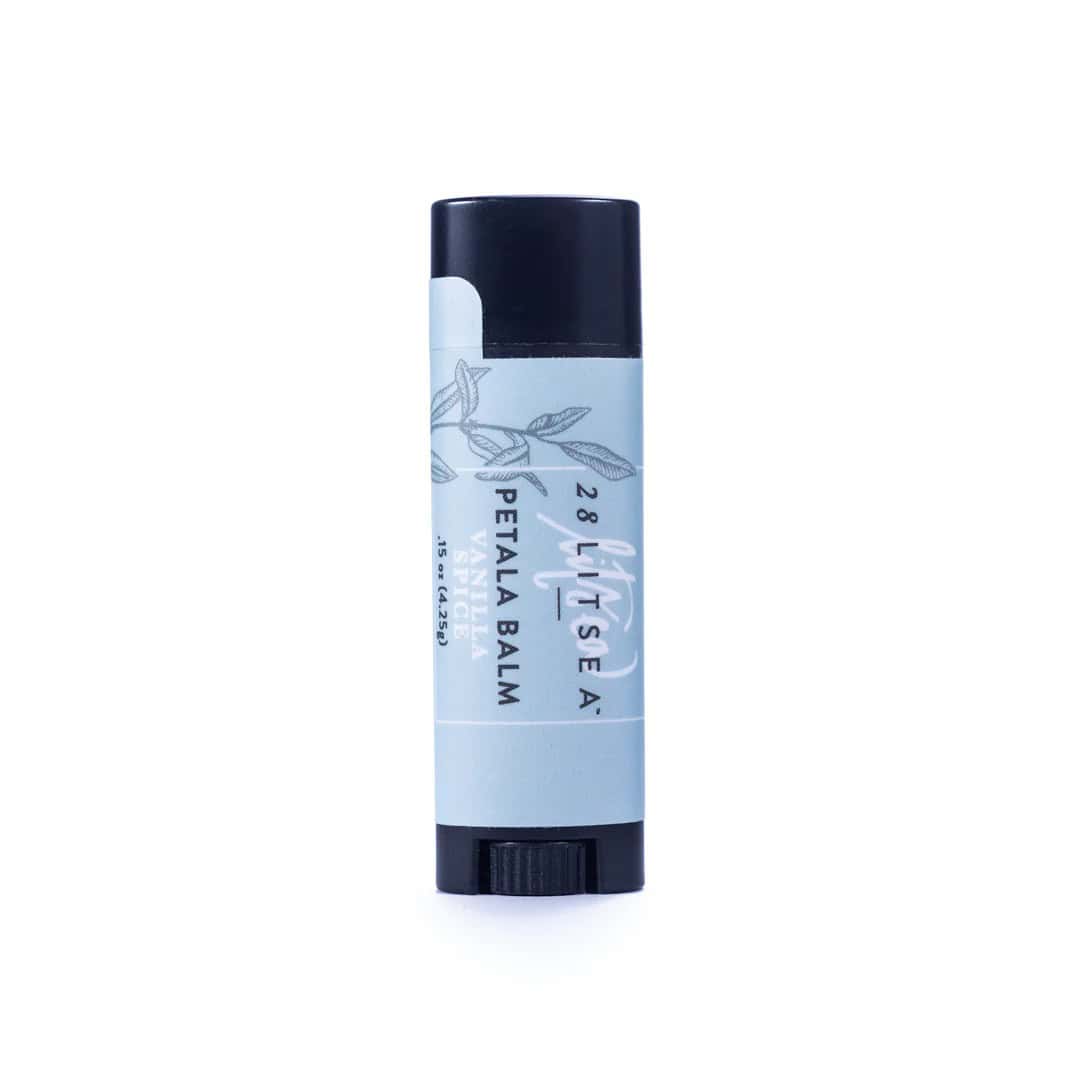
28 Litsea Petala Lipbalm
A lovely lip balm that comes in several flavors. It’s super nourishing with Babassu Oil, Organic Cocoa Butter, and Sweet Almond Oil.
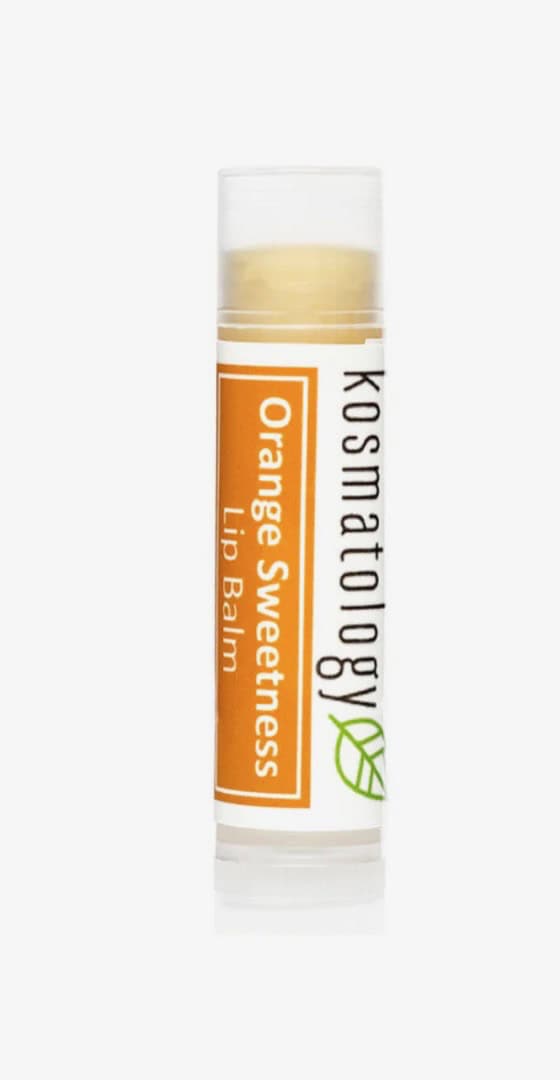
Kosmatology Beeswax-Free Organic Lip Balm
A combination of plant waxes and butters keep lips richly moisturized and protected. Lots of flavor options and some fun seasonal releases throughout the year!
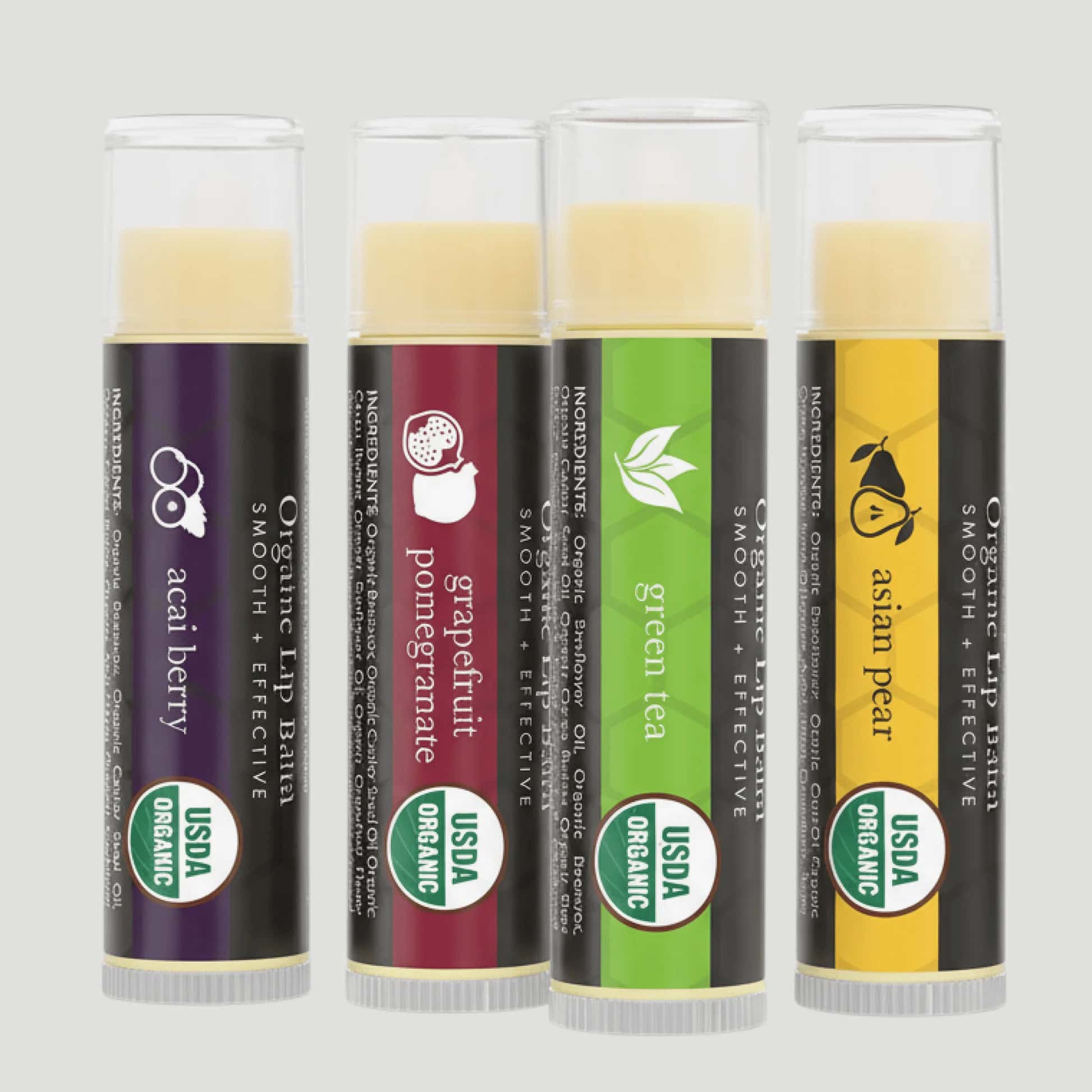
Beauty By Earth Organic Beeswax Lip Balm
Fully organic and you can get either unflavored or they have some that are flavored with real fruit and plant extracts.
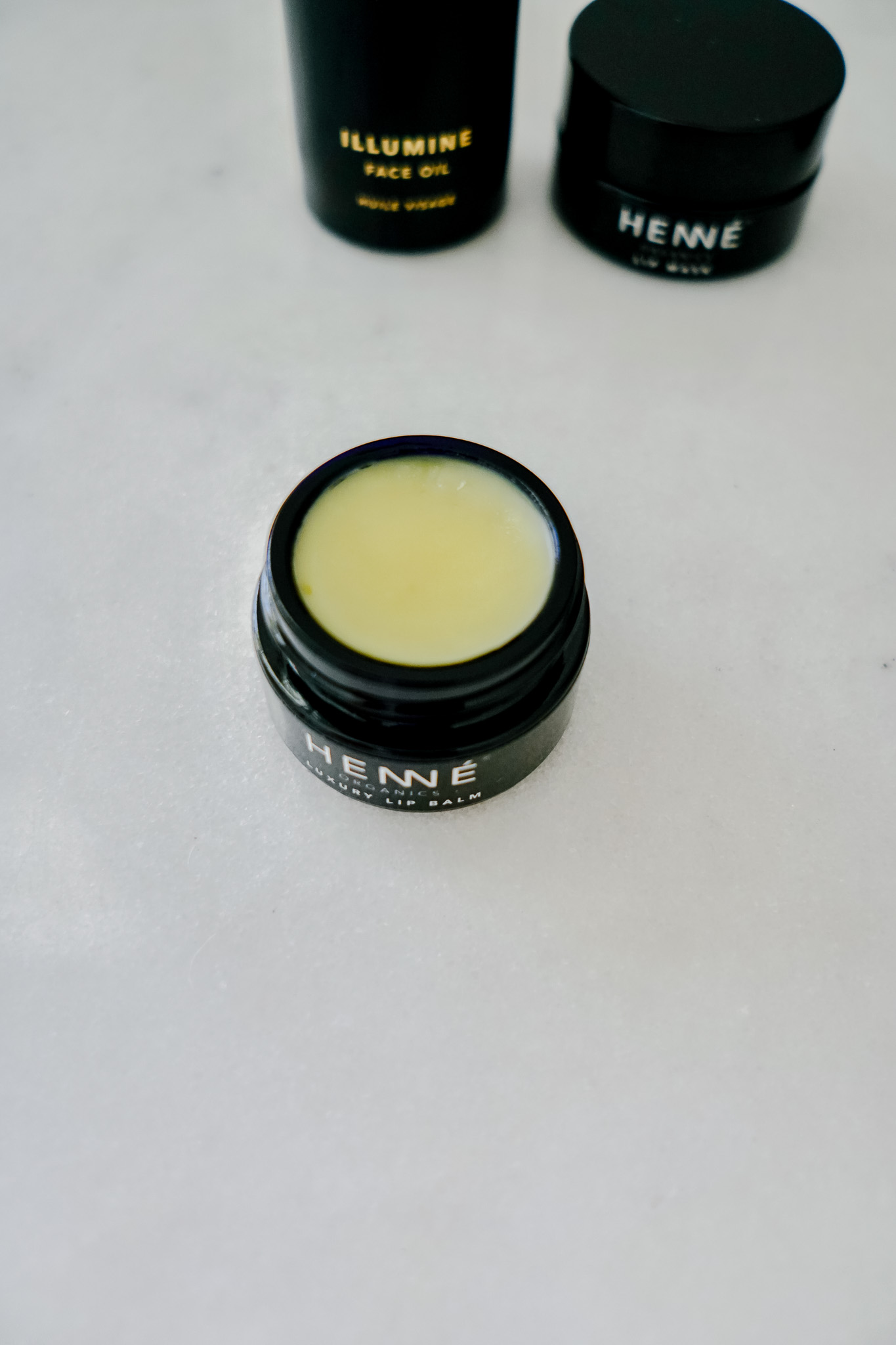
Henné Organics Luxury Lip Balm
Definitely the most luxe option on this list but one of my favorites! It’s very long lasting and super moisturizing. They offer it in a twist up tube or in a pot. They also make a pretty great lip mask!
For other more intense options, look for thick balms, lip masks, or lanolin alternatives made from plant-based oils and waxes. These formulas stay in place longer than standard lip balms and can significantly reduce dryness by morning.
Beneficial Ingredients to Look For:
- Coconut oil absorbs quickly and offers mild antimicrobial benefits, but may not be occlusive enough on its own in cold weather.
- Shea butter and cocoa butter are thicker, richer options that help soften and protect chapped lips.
- Olive oil provides antioxidants but works best layered under a balm.
- Jojoba oil closely mimics the skin’s natural oils and absorbs well without feeling greasy.
- Aloe vera is soothing and anti-inflammatory, making it ideal after sun exposure or windburn.
- Raw honey is naturally antibacterial and humectant, helping draw moisture into damaged lips.
Look for lip balms that clearly list ingredients and avoid unnecessary additives. If you’re rebuilding your routine, exploring best affordable clean beauty brands can be a helpful starting point.
Choosing the right ChapStick alternatives can help break the cycle of constant reapplication and support healthier lips long-term. Here’s to finding a lip balm that’s nourishing your lips rather than just coating them.