What Are Makeup Primers?

Who doesn’t want their makeup to stay fresh and flawless all day? I think we’ve all had makeup fade, crease, or settle into fine lines after only a few hours. The solution often comes down to one simple product: makeup primer. Although primers have become a staple in many beauty routines, they’re still one of the most misunderstood makeup products. While you don’t have to use one, it may be worth adding to your daily makeup routine.
Makeup primers do much more than simply prepare your skin for foundation. A good primer helps create a smooth base for makeup application, improves makeup longevity, and can even address specific skin concerns like uneven skin, enlarged pores, excess oil, dryness, redness, or fine lines.
In this guide, I’ll explain what makeup primers are, how they work, whether you really need one, and how to choose and apply the right primer for your skin. By the end, you’ll understand exactly how applying face primer can help create a smoother, longer-lasting makeup look and when it’s worth taking the extra step before foundation.
What Are Makeup Primers?
They are makeup MVPs! Primers give you a fresh, smooth canvas to apply makeup. While skincare is important (and can even impact how makeup sits), makeup primers go above and beyond to prep skin for makeup. Their primary purpose is to help your makeup apply more evenly, improve adherence to the skin, extend wear time, and address specific concerns that may affect how your makeup looks throughout the day.
While foundation is great at giving you coverage and evening out your skin tone, primer focuses on preparing the skin underneath. By creating a smoothing layer across the surface of the face, primers can help minimize the appearance of pores, soften the look of fine lines, reduce rough texture, and make uneven skin appear more refined before makeup is even applied. It gives you more of a polished, smooth finish and helps makeup last longer.
You can find primers in a wide variety of formulas to suit every skin type. People with oily skin often benefit from mattifying primers that help reduce excess shine and keep foundation from breaking down throughout the day. Those with dry skin may prefer hydrating primers that contain moisturizing ingredients like hyaluronic acid to replenish moisture and prevent makeup from clinging to dry patches. And you can find everything from illuminating primers to color correct formulas!
While I’m not personally a fan of silicone ingredients, there are also many silicone based primers, which often contain ingredients that temporarily fill in small imperfections and create a smoothing effect across the skin. Luckily, there are some natural versions that have ingredients that similarly smooth skin without the silicone.
Are Makeup Primers Necessary?
No, is the short answer, but come on- is a glowy highlighter necessary? Is a great brow gel necessary? I guess it depends who you ask! You can absolutely achieve a beautiful makeup look without using one, especially if you have a consistent skincare routine and use quality makeup. However, while primers aren’t considered an essential step, they can make a big difference.
While I don’t use one every single day, I always do when I have a special event or if I know it will be a long day and want my makeup to stay in place.
I’d say not everyone needs to use a primer every day. If your skin is naturally balanced and your foundation already performs well on its own, you may find that your regular moisturizer provides enough prep for everyday wear. And some foundations include skincare ingredients and long-wearing formulas that make a priming product not as essential.
If you’re happy with how your makeup performs without one, you definitely don’t have to add another step to your routine. But if you’d like to create a smoother canvas, improve makeup application, or target concerns like enlarged pores, excess oil, dryness, or uneven skin, a primer can be a great addition to your makeup bag.
If you’re building a cleaner makeup collection, I’ve got some budget-friendly options: check out my guide to best affordable clean makeup brands for brands that offer high-performing products without compromising on ingredient quality.
What Do Makeup Primers Do?
Although every formula is a little different, the primary purpose of a makeup primer is to prepare your skin for makeup and help it perform better throughout the day. Whether you’re hoping to minimize shine, add hydration, blur imperfections, or simply help your foundation last longer, there’s a primer for that! Here are some of the biggest benefits of using a makeup primer.
Smooths Skin Texture And Pores
Many formulas temporarily blur the appearance of enlarged pores, rough texture, and fine lines, allowing makeup to glide on more effortlessly.
Helps Foundation Apply More Evenly
Foundation looks its best when it’s applied over a smooth, well-prepared canvas. Many people notice that blending becomes easier and their makeup looks more natural after they apply makeup primer first.
Extends Makeup Wear Time
One of the biggest reasons people use primer is to help their makeup last longer. Primer acts as a lightweight base layer that helps lock makeup in place.
Controls Oil Or Adds Hydration Depending On The Formula
Not every primer is designed to do the same thing, which is why choosing one that matches your skin type is so important. Those with oily skin often benefit from mattifying primers. For people with dry skin, hydrating primers can prevent foundation from looking cakey or settling into dehydrated areas.
Reduces Makeup Creasing And Patchiness
As makeup wears throughout the day, it can begin settling into lines or becoming patchy in certain areas. Primer helps minimize these issues by creating a more uniform surface before foundation is applied.
How Does A Makeup Primer Work?
A makeup primer works by creating a thin, supportive layer between your skincare products and your makeup. I know, an extra step in your beauty routine? You might be surprised at how helpful primers can be though.
Different formulas can help with certain things. Some primers focus on smoothing texture, while others control oil, add hydration, brighten the complexion, or help correct discoloration.
Fills In Uneven Texture And Fine Lines
One of the main ways primer works is by creating a smoother surface across the skin. Many primers contain ingredients that help temporarily fill in small areas of uneven texture, enlarged pores, and fine lines, creating a more refined appearance before foundation is applied. This is why many people notice that their foundation looks more seamless after they apply makeup primer.
A silicone based primer is commonly used for this purpose but as I mentioned before, there are several natural formulas that work just as well without the silicone. Like this one from RMS.
Creates A Smooth Base Layer For Foundation
Think of primer as preparing a canvas before painting. By creating a smooth base layer, primer allows foundation and other complexion products to spread more evenly across the face. This can make blending easier and help prevent makeup from looking heavy or uneven and helps create a smoothing effect.
Helps Control Oil Production Or Lock In Moisture
Another important way primers work is by addressing moisture and oil balance. Since every skin type is different, look for one that targets your concerns
For those with oily skin, mattifying primers can help absorb excess oil and reduce shine throughout the day. These formulas are especially helpful in areas like the forehead, nose, and chin where makeup tends to break down more quickly.
For those with dry skin, hydrating primers work differently by helping create a comfortable, moisturized base underneath foundation. Ingredients like hyaluronic acid attract and hold moisture, helping prevent makeup from looking flaky or settling into dry patches.
Improves Pigment Adherence For Even Coverage
Primer can also help makeup pigments adhere more evenly to the skin. When makeup has something to grip onto, it is less likely to fade quickly or appear patchy throughout the day. This can help your foundation maintain more even coverage and keep your complexion looking balanced.
Acts As A Buffer Between Skincare And Makeup
After completing your skincare routine, products like moisturizer and sunscreen create a protective layer on the skin. Primer helps create the ideal surface between these products and your cosmetics.
How To Use Makeup Primer:
Knowing how to properly use primer can make a significant difference in how your makeup looks and wears throughout the day. Follow these tips to learn how to apply makeup primer correctly and get the most from this step in your makeup routine.
Apply After Your Skincare Routine
Primer should always be applied after completing your skincare routine and before foundation or other makeup products. Start with your usual skincare steps and then make sure your moisturizer and sunscreen are fully absorbed before applying face primer. Allowing your skincare products a few minutes to settle helps prevent pilling and ensures your primer can create an even layer on top of the skin.
Use A Small Amount Only
One of the most common mistakes people make with primer is applying too much. A little goes a long way, and using too much product can actually work against you by causing makeup to slide, separate, or pill.
Focus On Key Areas
You don’t always need to apply primer everywhere. Many people benefit from using primer only on areas where makeup tends to wear differently or where they want additional smoothing. I generally just apply it in my T-zone, as that’s where I need some help with smoothing and oiliness. You can apply it where it makes the most sense for your skin.
Blend Evenly With Fingers Or Brush
Once you have applied primer, blend it evenly across the skin using clean fingers, a makeup brush, or a sponge. The goal is to create a thin, smooth layer rather than a heavy coating.
Let It Set Before Foundation
After you apply makeup primer, give it a few moments to settle before applying foundation. This short waiting period allows the primer to form an even base and improves how well your makeup adheres to the skin.
Once the primer has settled, continue with your foundation and other complexion products as usual.
Match Primer To Skin Type
Choosing the right primer is one of the most important steps because different formulas are designed for different concerns. The best primer for someone with dry skin may not be the best option for someone with oily skin.
Those looking for a radiant finish may prefer illuminating primers, while color correct primers can help address concerns like redness, dullness, or uneven coloring before foundation. Always use what works best for you!
Use Spot Priming If Needed
You don’t always need a full-face primer application. Spot priming allows you to apply different formulas only where they are needed most.
For example, you might use a pore-blurring primer around the nose and cheeks, a hydrating primer on dry patches, and a mattifying primer in areas where excess oil appears. This approach can be especially helpful if you have combination skin or multiple concerns.
Avoid Over-Application
If you notice your foundation separating, sliding, or appearing patchy, try reducing the amount of primer you use. The goal is to enhance your makeup, not create an additional layer that competes with your foundation.
A lightweight application will help your primer create a smooth base while allowing your makeup to look more natural.
Layer Lightly For Heavy Makeup Looks
If you are creating a full-glam makeup look or need your makeup to last for an extended period, resist the temptation to apply extra primer. More product does not always mean better results- in fact, you may end up with the opposite.
Test Compatibility With Foundation
Since primers and foundations can have different bases and textures, it’s helpful to test how your products interact before wearing them for a full day. If your makeup begins to separate, pill, or look uneven, the issue may not be the individual products. It could be that the formulas don’t work well together.
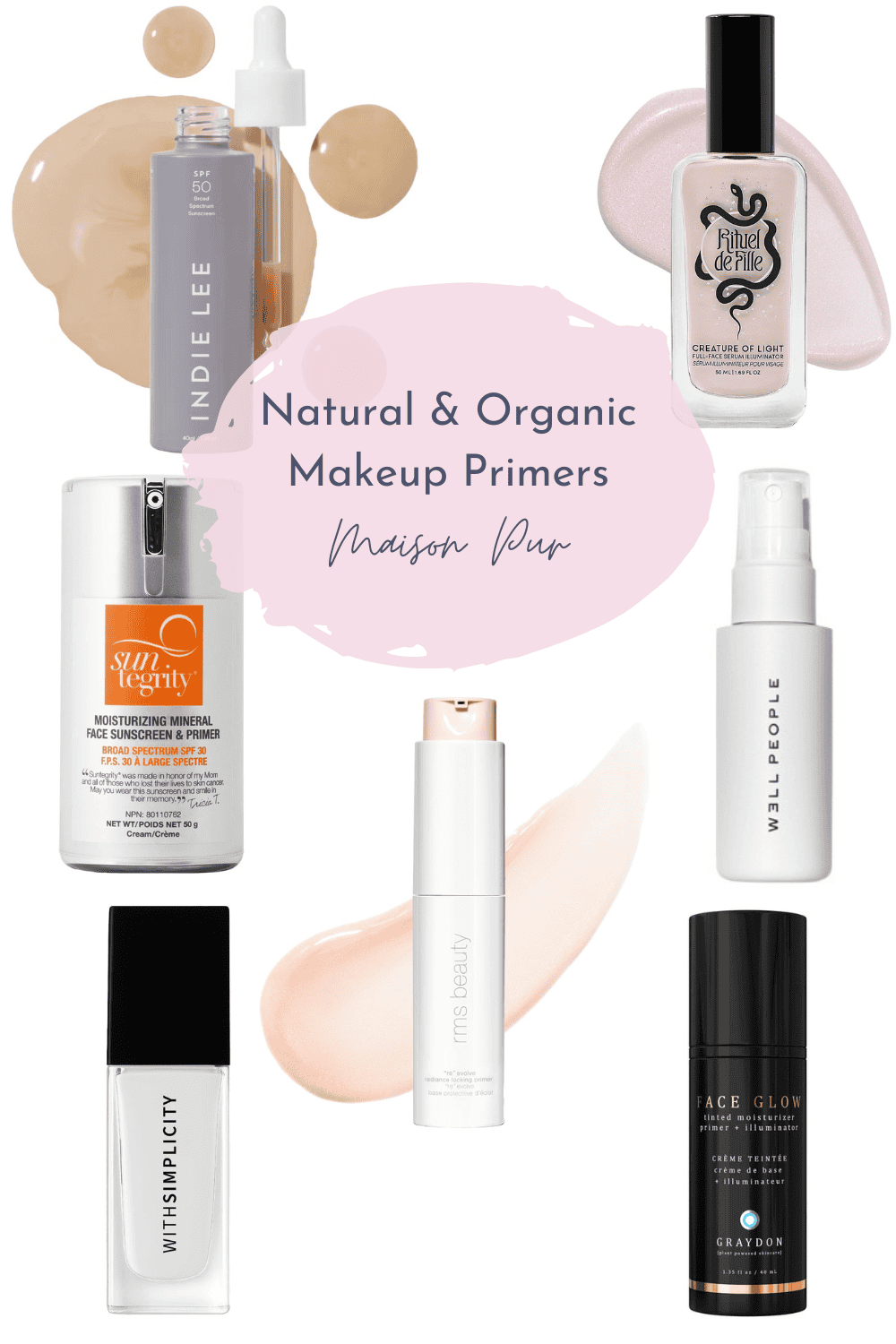
Some Of My Favorite Makeup Primers:
RMS Beauty Re-Evolve Locking Primer- Hydrating, but not greasy/oily. It’s easy to apply, and I find makeup layers well on it.
Suntegrity Moisturizing Sunscreen and Primer– This is a great multi-tasking product since it gives you SPF 30 in addition to priming for makeup.
Rituel De Fille Creature Of Light– If you want a luminous base to add some glow, this one is for you!
Graydon Face Glow Tinted Moisturizer and Primer– I like that this offers a little coverage and glow, and it also applies well without being too heavy for a multi-tasking product.
Indie Lee Daily SPF 50 Primer– For those wanting a higher SPF and a (blendable) tint, this is a good option. I find this one to be more moisturizing and a little on the oily side (at least on my skin). So I usually only use it in the winter or when my skin is feeling drier.
Well People Bio Brightening Priming Serum– This is probably the most budget-friendly on the list. While it has some plant oils, it still has a lightweight feel and has a slight luminosity.
WITHSIMPLICITY Face Primer & Pore Minimizer– Lightweight and smoothing, this fills in pores and other areas to help foundation glide on.
Now You’re Prepped and Primed!
Makeup primers may not be an essential step for everyone, but they can definitely be a helpful addition to your beauty routine when you want to improve how your makeup looks and wears throughout the day. By creating a smooth base between skincare and cosmetics, primer helps foundation apply more evenly, improves makeup adherence, and helps your other products to perform at their best. Win/win!
As with any beauty product, ingredients matter. Choosing formulas made with healthy ingredients and avoiding unnecessary additives can help you build a cleaner, more thoughtful makeup routine. Whether you prefer a minimalist look or enjoy a more complete makeup application, primer can be a simple step that helps you feel more confident in your finished look.